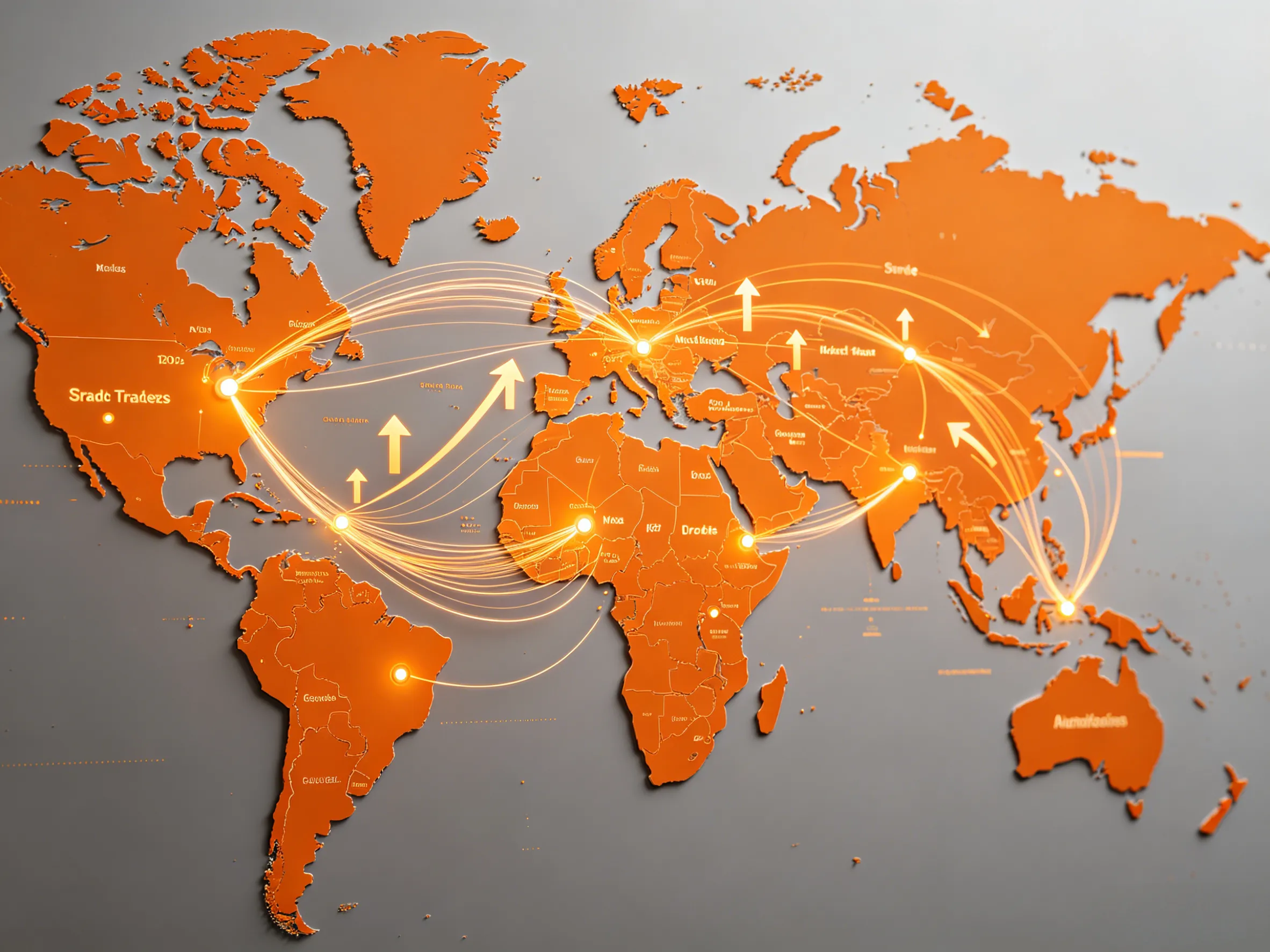
Small and medium enterprises (SMEs) have long faced high barriers to cross-border expansion: expensive overseas business trips, limited buyer networks, complicated customs paperwork, and unpredictable payment risks. Today, professional import and export digital platforms remove many of these traditional hurdles, offering affordable tools for SMEs to find buyers, manage orders and build sustainable international growth. With proper strategy, these platforms turn SMEs from local vendors into global suppliers without massive upfront investment.
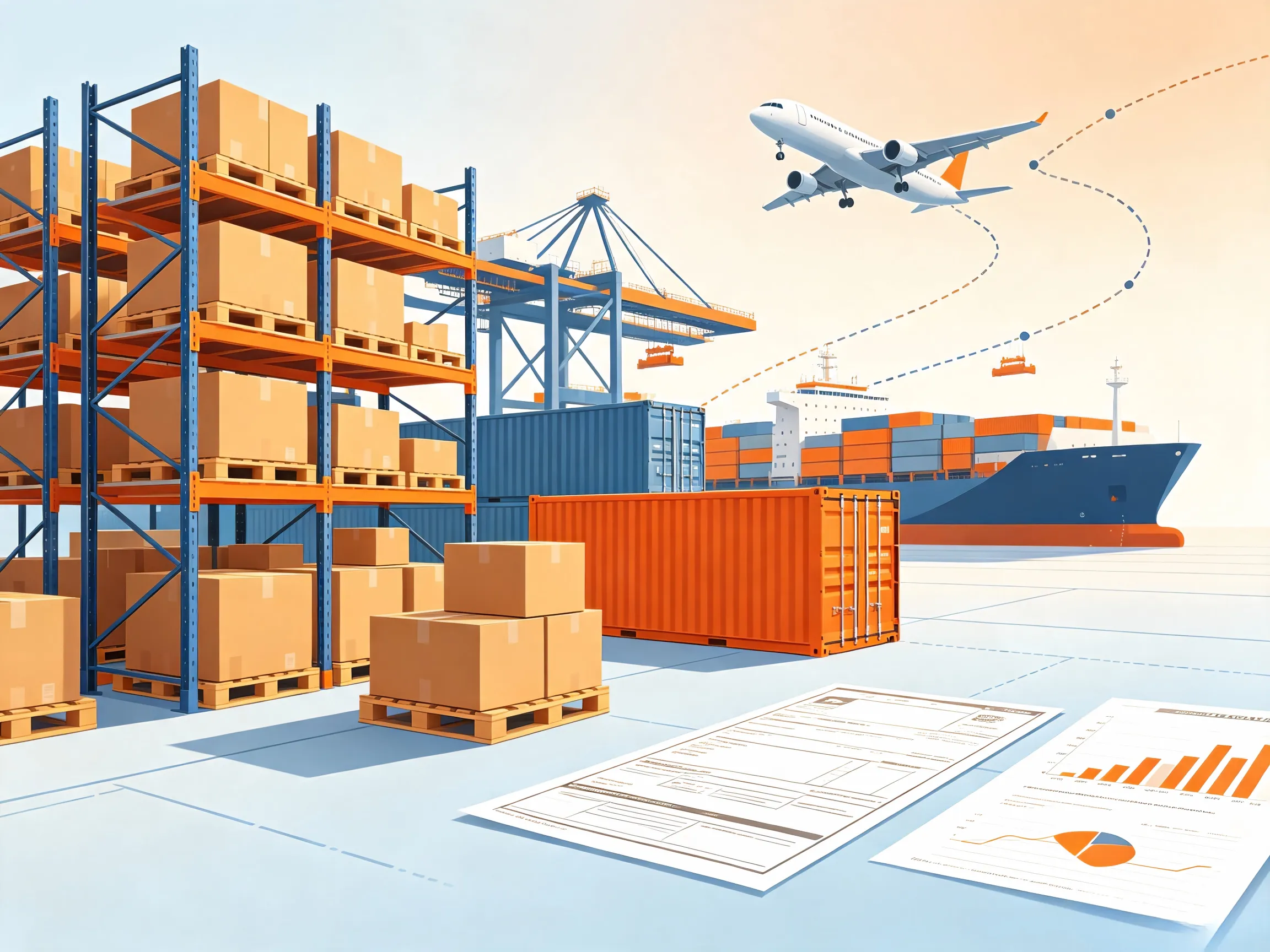
What import-export platforms bring to SME global expansion
Traditional offline international trade forces SMEs to rely on trade shows or personal referrals. These methods cost heavily and deliver unstable leads. Digital import-export platforms change this equation in four core ways.
First, they lower customer acquisition costs. SMEs no longer need to rent exhibition booths or hire local overseas sales teams. By creating storefronts on B2B trade platforms, they can showcase product catalogs, certificates and factory videos to thousands of verified global buyers 24/7. Many platforms offer tiered pricing plans, so even micro-businesses can start with free basic listings before upgrading to premium exposure.
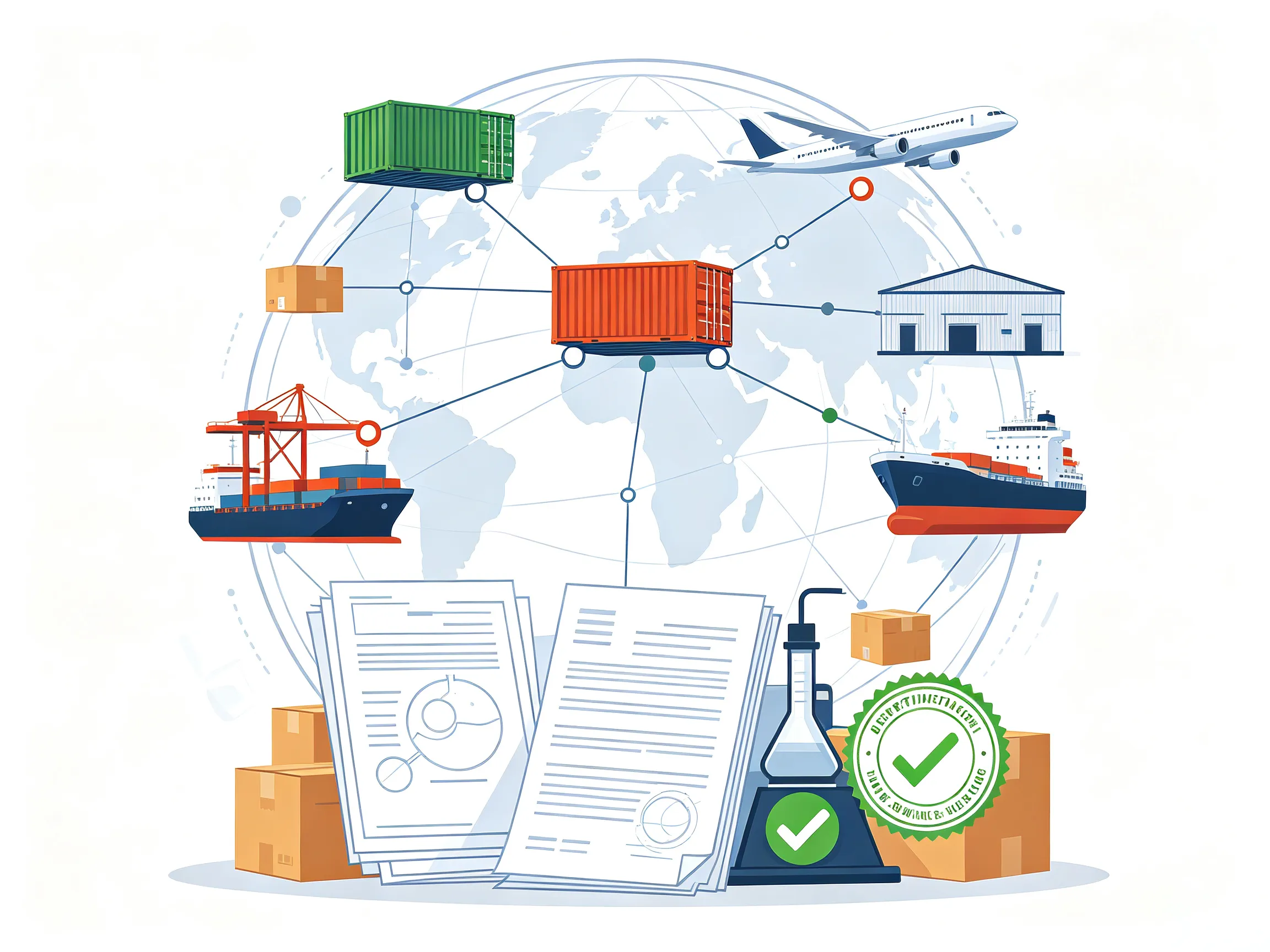
Second, platforms streamline trade workflows. End-to-end import/export tools cover inquiry handling, quotation, contract drafting, logistics booking, customs document preparation and cross-border payment settlement. Instead of hiring multiple specialists for logistics and compliance, SME teams can manage the whole trade cycle on one dashboard. This cuts human error and shortens order turnaround time significantly.
Third, built-in verification and escrow systems reduce transaction risk. A major fear for small exporters is non-payment or buyer disputes. Most leading trade platforms verify company credentials of both sellers and buyers. Escrow payment holds funds until buyers confirm receipt of goods, protecting SMEs from bad debt while reassuring overseas importers.
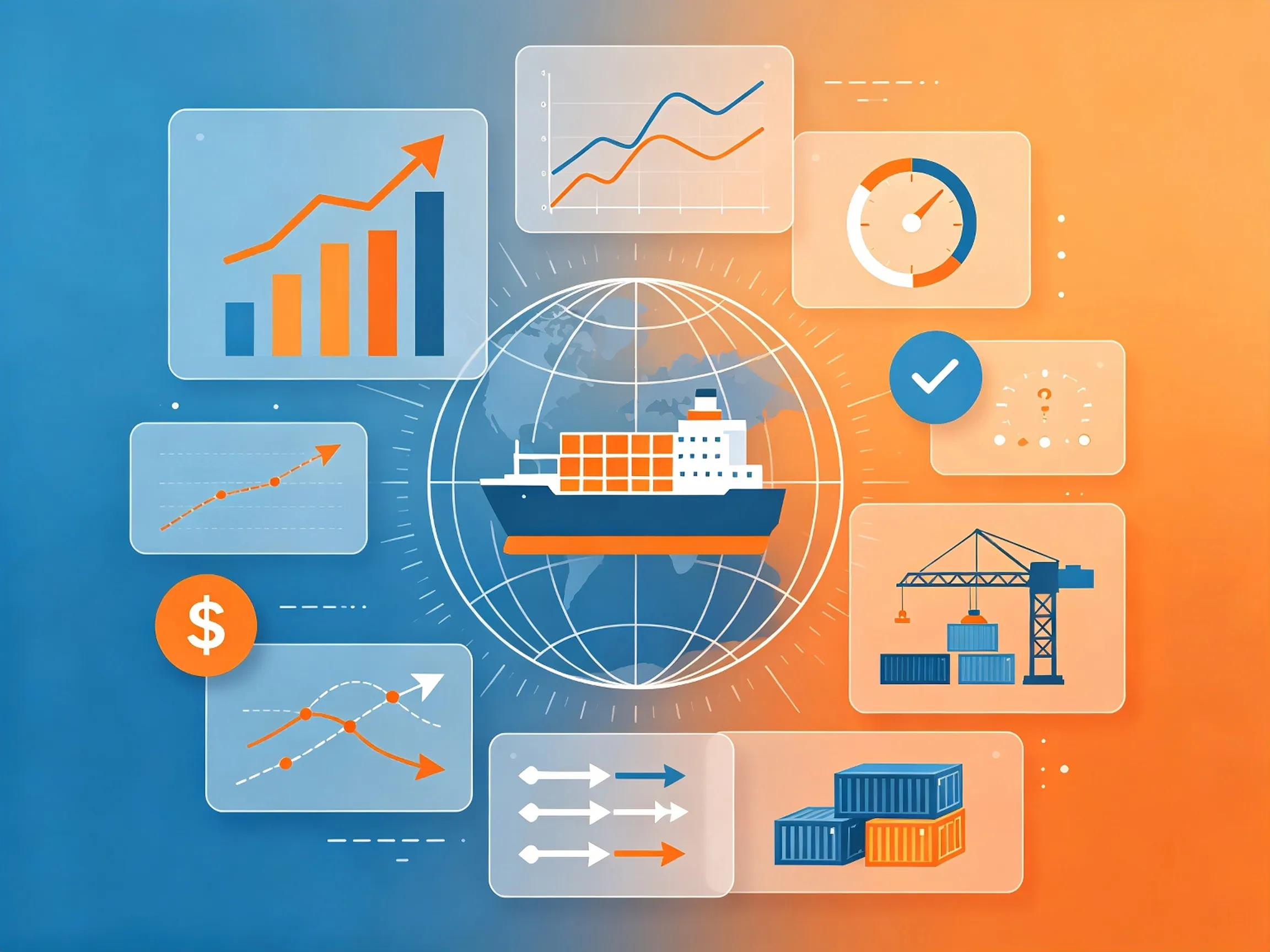
Fourth, market intelligence features help SMEs make data-driven decisions. Platform analytics reveal trending product demands, competitor pricing and target-country import rules. SMEs can adjust product specifications, packaging or pricing to match regional market preferences, instead of guessing what foreign customers want.
Practical strategies for SMEs to scale via import export platforms
1. Optimize digital storefront and product listings for target buyers
Buyers on import-export platforms scan listings quickly. SMEs should build clear, localized product pages: high-resolution photos, detailed specifications, compliance certificates such as CE or FDA, transparent MOQ (minimum order quantity) and delivery timelines. Use keywords that overseas importers actually search for, not literal translations from the native language. Localized descriptions, unit conversions and currency options also improve inquiry rates.
2. Prioritize verified buyers and nurture long-term relationships
Not all platform inquiries are quality leads. SMEs should filter buyers by import history, company scale and purchase volume. Respond to inquiries within 24 hours, provide customized quotations and follow up consistently. Many SMEs make the mistake of only chasing one-time large orders. Stable repeat small-and-medium bulk buyers bring steady revenue and lower sales costs over time.
3. Leverage platform logistics and compliance support
Cross-border shipping, tariff classification and customs declarations are common pain points for new exporters. Most import-export platforms partner with global freight forwarders to offer consolidated shipping rates. Use their compliance resources to check product bans, tariff rates and labeling requirements for destination countries. Avoid cutting corners on documentation; incomplete papers often cause cargo detention and financial losses.
4. Combine platform sales with targeted off-platform outreach
The platform is the main storefront, but it works better paired with supplementary outreach. After connecting with promising buyers on the trade platform, SMEs can move to professional social channels to share factory updates and product testing reports. This builds trust and reduces the risk of buyers leaving the platform to seek cheaper competitors. Keep all core order and payment activities within the platform’s official channel to retain transaction protection.
Key pitfalls SMEs must avoid
Many SMEs fail to scale globally even after joining import-export platforms, usually due to common mistakes. One common error is expecting instant large orders. B2B international trade takes time; buyer evaluation, sample testing and trial orders can take months. Another mistake is poor after-sales service. Delayed replies, inconsistent product quality and ignored disputes damage online ratings, which directly hurt listing exposure on these platforms.
SMEs also should not over-rely on a single platform or one single country market. Market policy changes, platform algorithm updates or local economic downturns can quickly cut sales. A balanced portfolio across several target markets and trade channels improves business resilience.
Conclusion
Import and export platforms are not a magic shortcut to global success, but they are the most accessible gateway for SMEs to go international. They reduce capital, information and operational barriers that once locked small businesses out of global markets. The winning formula is simple: build professional product listings, screen buyers carefully, use built-in logistics and risk-control tools, and focus on consistent product quality and buyer communication.
For SMEs, global scaling through these platforms is not about chasing huge one-off deals. It is about steadily accumulating verified overseas buyers, refining cross-border operational capability, and growing export revenue step by step.
FAQ
Q: Are import export platforms suitable for very small businesses with limited export experience? A: Yes. Most platforms provide beginner guides, document templates and agent support for new exporters. Start with small trial orders and low-risk markets to learn cross-border trade rules before scaling up.
Q: How can SMEs compete against large manufacturers on these platforms? A: SMEs can compete via flexible MOQ, customized products, faster communication and personalized service. Many mid-sized global importers prefer agile small suppliers for niche or customized goods, rather than giant factories with rigid order requirements.
Q: What is the biggest risk when using B2B import export platforms? A: The top risks are unverified buyers, intellectual property disputes and non-compliant product documentation. Always use platform verification tools and escrow payment services for new clients, and confirm product compliance before shipping.