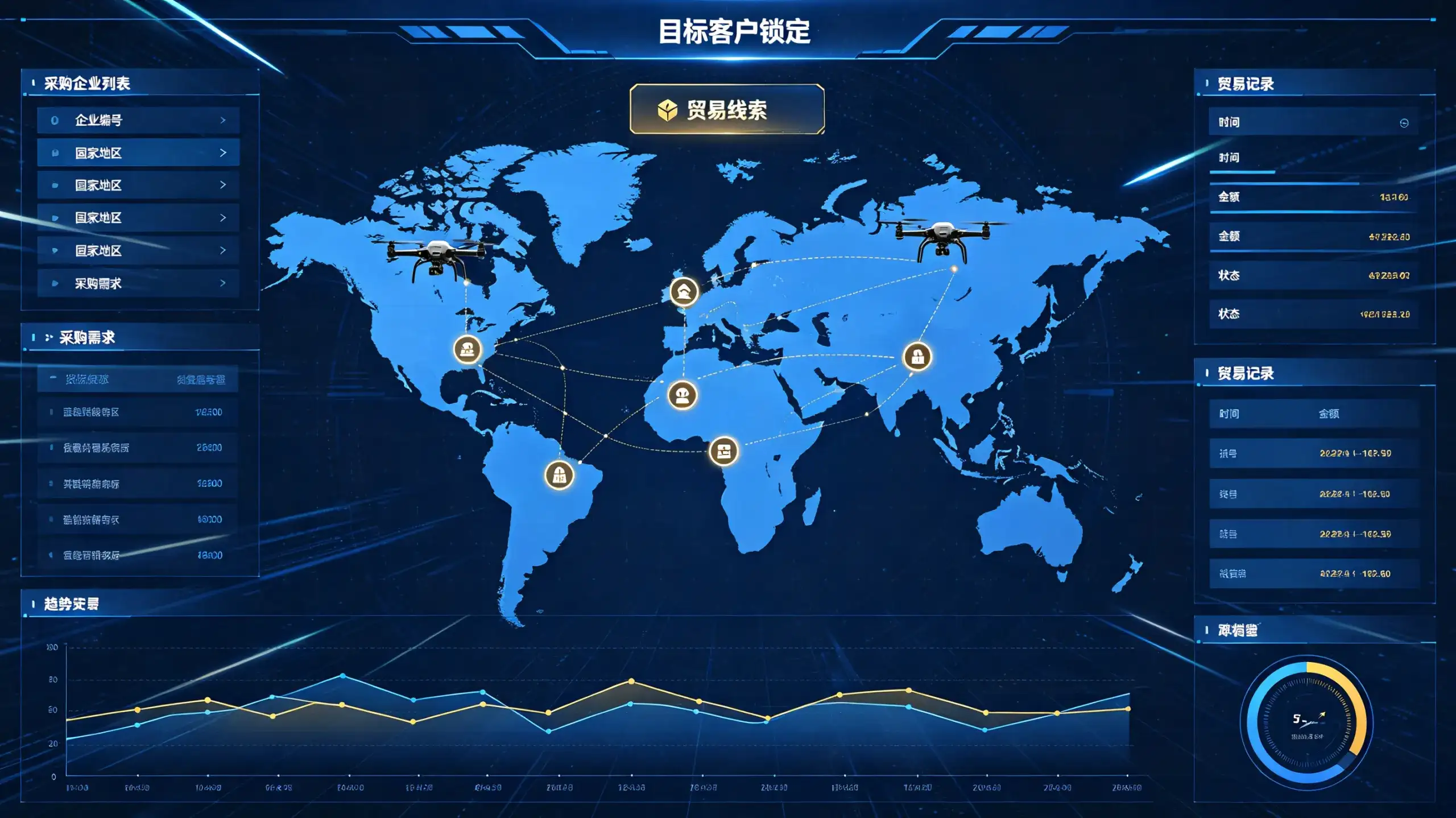
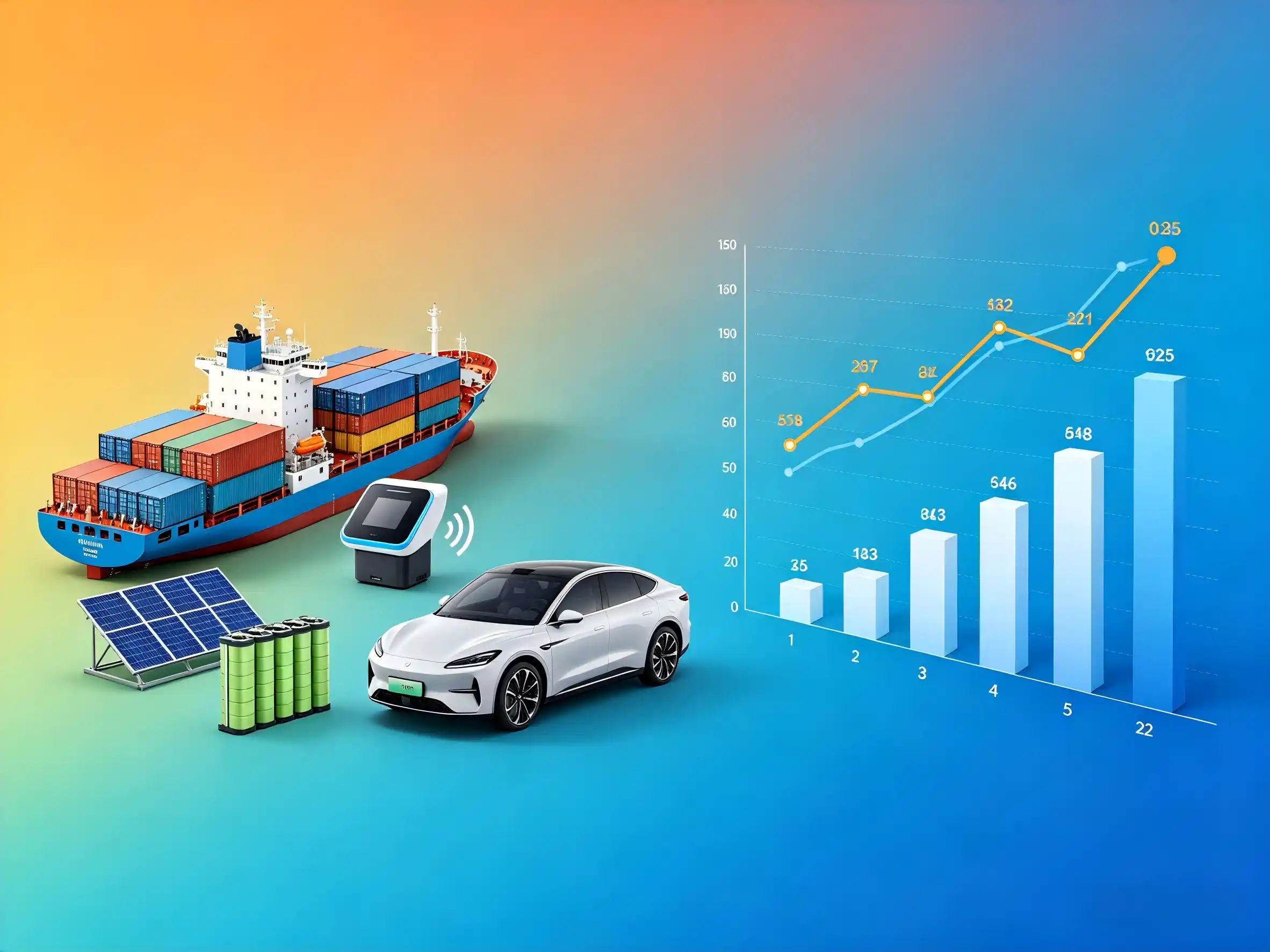
Your CRM says you have 10,000 prospects. The truth is that most of them are no longer reachable. B2B email addresses decay at about 2.1% a month, which compounds to roughly 22.5% a year, and nearly 71% of B2B contacts change something meaningful — job title, phone number, employer — within 12 months. Meanwhile, the median cold email reply rate sits around 3.4%, and 69% of senders say their results are getting worse. The problem is rarely your outreach copy. It is the data underneath it. Customs data — the import and export records companies file with customs authorities — fixes sales prospecting by replacing guesswork with verified transaction history.

1. Your Prospect List Is Decaying While You Sleep
B2B data does not go stale gradually; it collapses quietly. Contact data decays at roughly 2.1% per month, compounding to about 22.5% every year, according to Dun & Bradstreet figures cited in Cleanlist’s 2026 benchmark. In high-turnover technology companies the rate climbs to 25–35% a year, and at VC-backed startups it can reach 30–40%. Job titles change for 65.8% of contacts within 12 months, and 42.9% change phone numbers. When you bought that list, you bought a snapshot — and the snapshot is already out of date.
The operational cost is real. A 1,000-contact list loses 220–300 reachable contacts in a year. Every bounce damages your sender reputation, pushes more emails into spam, and lowers the reply rates of the emails that do land.
Do this: verify email addresses before every campaign, not once a year. Run a bounce check on each new batch, re-enrich high-value contacts quarterly, and remove records older than six months unless you have confirmed activity. A smaller verified list outperforms a large rotten one every time.
2. Firmographics Describe a Company; They Don’t Prove Intent
Traditional B2B databases are built from firmographic profiles — industry, size, revenue band, job title. That tells you a company exists, not that it is buying. Most buyers in these databases have never expressed demand, and your SDR team pays for their silence.
The results show up in the numbers. The median B2B cold email reply rate is roughly 3.43% across billions of sends in Instantly’s benchmark, and Mailshake data puts the norm at 1–4%, with only 16% of senders ever exceeding 5%. Of the replies that do come back, only about 31% are positive. The channel is also getting harder: 69% of cold email senders report year-over-year performance declines driven by spam filtering and AI-generated content fatigue.
Do this: stop scoring leads by firmographics alone. Rank prospects by demonstrated behavior — recent hiring, funding, supplier switches, or import activity. Build your list around trigger events, and personalize every email around one specific, verifiable fact about the account.
3. Customs Data Answers the Question Databases Can’t: Who Is Buying
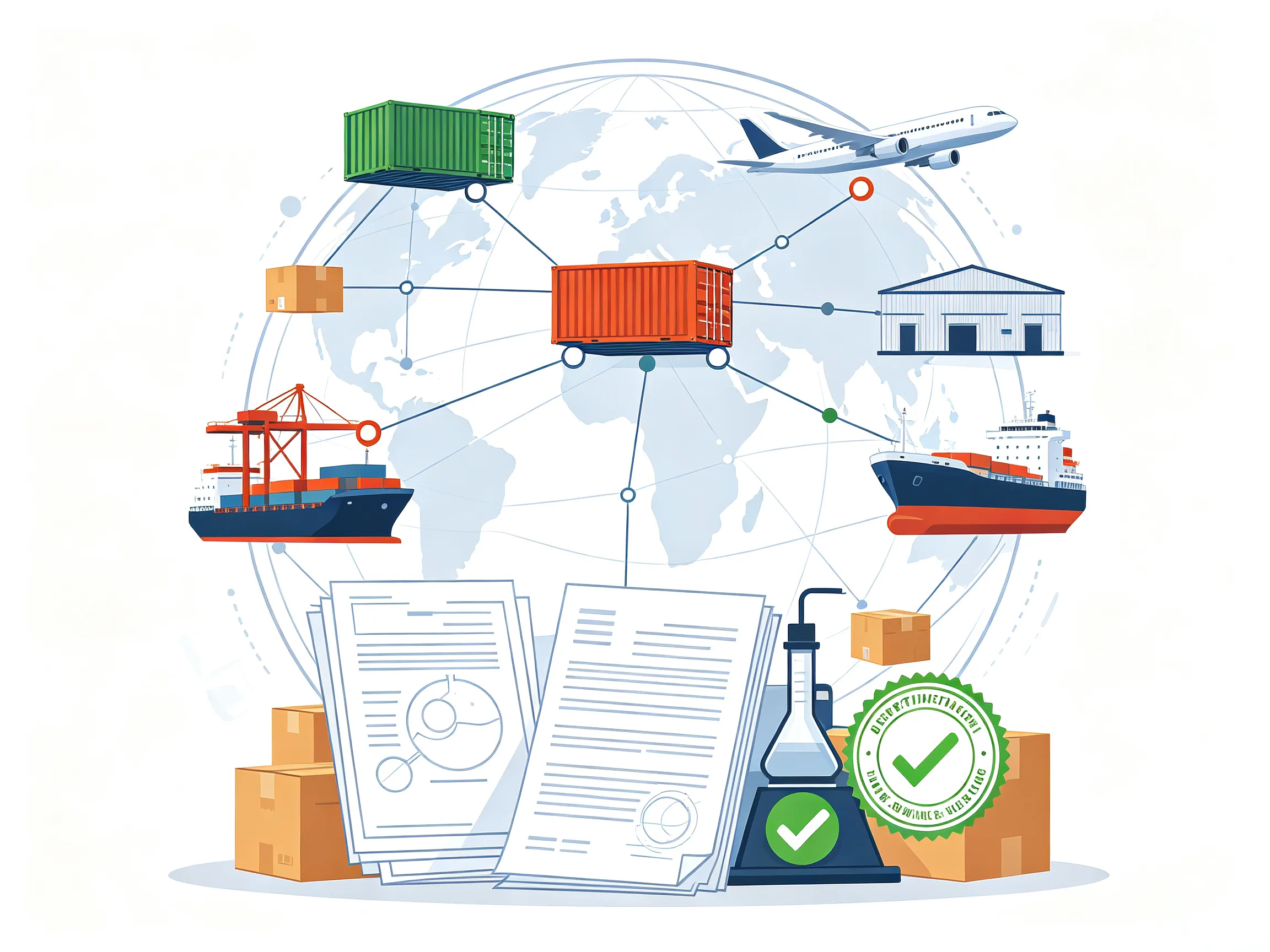
Customs data is different by nature. It comes from legally required filings — customs declarations and bills of lading — that companies submit every time goods cross a border. The records include importer and exporter names, HS codes, product descriptions, quantities, values, ports, and shipment dates. Because misdeclaring carries legal penalties, this data is far more accurate than scraped company profiles.
It also covers the market that mainstream platforms miss. Roughly 9.3 million companies engage in physical trade globally, yet mainstream B2B platforms cover less than 15% of them, according to UN Comtrade figures, even as global merchandise exports reached about $26.26 trillion in 2025. A prospect found in customs records has already paid to move your type of product across a border — the strongest buying signal a lead can carry.
Do this: search import records by HS code instead of by company name. Filter for buyers who imported your product category within the last 6–12 months, meet your minimum order volume, and ship frequently. Frequent, high-volume importers are active buyers, not tire-kickers.
4. From Shipment Records to Revenue: A Workflow That Works
The pattern repeats across documented cases. A Southeast Asian electronics parts supplier analyzed U.S. bills of lading and identified 17 previously unknown buyers in three months, closing six orders at roughly one-third of the traditional time cost. A Hong Kong eco-packaging exporter lifted new-customer conversion from 12% to 17.1% within three months of switching to customs-data-led prospecting. An auto parts company noticed three U.S. buyers sharply reducing purchases from Southeast Asian suppliers — a classic switching signal — and its first email referencing that supply-chain shift achieved a 61% open rate.
None of these wins came from a bigger list. They came from a repeatable workflow.
Do this:
- Build. Pull buyers by HS code and filter by volume, frequency, and recency.
- Score. Rank by import value, supplier concentration, and growth. Buyers with one dominant supplier are the most likely to consider a second source.
- Enrich. Match company names to business registries and contact databases to find the right decision-makers.
- Reach. Reference the buyer’s own shipment data in the first email — the exact product, volume, and timing.
- Track. Log open and reply rates per data source. If customs-sourced leads outperform your old lists — they usually do — shift budget accordingly.
5. What Customs Data Won’t Do (and How to Compensate)
Customs data has limits, and honest sellers acknowledge them. Not every country publishes detailed records — some release only aggregated statistics. Records show what shipped, not who makes the purchasing decision inside the buyer’s company. And a history of importing is not the same as an open RFQ; intent still needs qualification.
Do this: treat customs data as a lead-discovery layer, not a complete CRM. Combine it with LinkedIn research and business registries for contact details, use it to spot supplier-switch signals, and always verify the contact and the need before you pitch. Pairing trade evidence with timely outreach — within weeks of a new shipment or supplier change — is where the advantage compounds.
FAQ
Is customs data legal to use for sales prospecting? Yes. Import and export records are public or commercially licensed information in most markets. You are using published trade evidence to target prospects, not accessing private communications.
Which countries have the most usable customs data? The U.S., U.K., and many Latin American and Asian markets publish detailed shipment-level records. Some EU members restrict granular data; licensed providers can still give you company-level aggregates.
How is customs data different from a B2B contact database? A contact database is a static profile that decays at 20–30% a year. Customs data is a record of actual transactions, refreshed continuously as shipments occur, so it decays far more slowly and carries verified buying behavior.