Introduction
Cross-border trade has always been exposed to multiple inherent risks: payment defaults, compliance violations, supply chain disruptions, document fraud, and opaque buyer or supplier information. Volatile geopolitics, fluctuating logistics costs and evolving customs regulations further amplify uncertainty for exporters, importers and freight operators. Traditional risk management methods rely heavily on manual document review, fragmented email communication and offline third-party verification. These processes are slow, error-prone and unable to deliver real-time visibility across global supply chains. Integrated digital trade platforms emerge as a practical solution to consolidate data, automate workflows and reduce blind spots throughout trade cycles.

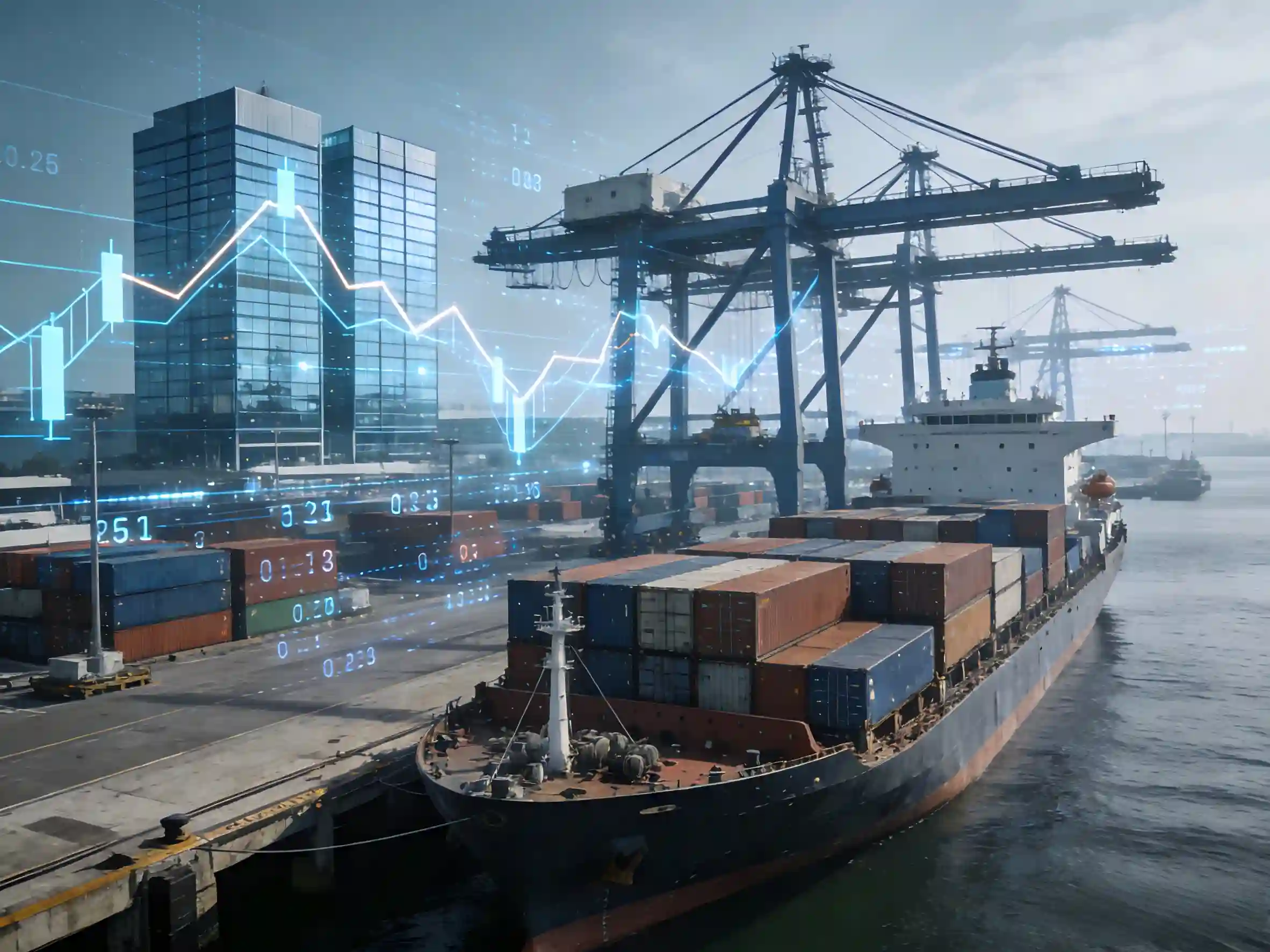
An integrated digital platform connects isolated modules including trade intelligence, customs documentation, payment escrow, logistics tracking, compliance checking and supplier due diligence within one unified ecosystem. Instead of switching between separate spreadsheets, email systems, freight websites and credit check tools, trade teams access all critical information on a single interface. This seamless data sharing directly lowers operational risk and supports faster, more informed business decisions.
Core International Trade Risks and How Integrated Platforms Address Them
1. Counterparty Credit and Reputational Risk
One of the most costly risks in global trade is non-payment or contract breach by overseas buyers, alongside fraud from fake suppliers. Without full background checks, businesses may enter deals with partners that have poor credit history, pending legal disputes or invalid business registrations.
Integrated platforms pull together verified trade data such as customs shipment records, company registration files, credit ratings and historical transaction cases. Users can run automated due diligence before signing contracts. Some platforms also embed trade credit insurance quotation tools. When risk signals appear, like delayed payments or sudden shipment volume drops, the system sends real-time alerts. This proactive screening reduces the chance of working with high-risk counterparties.
2. Document and Customs Compliance Risk
Paper-based trade documents such as bills of lading, commercial invoices and certificates of origin are vulnerable to forgery, missing fields and format errors. Inaccurate paperwork often triggers customs detention, fines or cargo hold-ups, creating unexpected delays and extra costs. Different countries frequently update tariff rules, sanctions lists and import restrictions, making manual compliance tracking difficult.
Digital platforms standardize document templates and auto-validate fields to eliminate common manual mistakes. Built-in compliance engines cross-check parties against global sanctions and restricted party lists. Electronic bill of lading (eBL) functions remove the risk of lost original paper documents and speed up cargo release. The system automatically updates regulatory databases, so traders do not need to manually monitor every jurisdiction’s rule changes.
3. Supply Chain Visibility and Disruption Risk
Geopolitical conflicts, port congestion, vessel cancellations and raw material shortages can break supply chains at any stage. Many traditional supply chains only get updates when problems have already occurred, leaving little time for contingency planning. Separate logistics providers and carriers use independent tracking systems, making end-to-end cargo visibility hard to achieve.
Integrated platforms aggregate logistics data from carriers, ports and warehouses. Shipment milestones are tracked in real time, with automated alerts for delays, route changes or port disruptions. Businesses can simulate alternative shipping routes and evaluate supplier backup options inside the platform. This visibility allows companies to respond early instead of reacting after losses occur.
4. Foreign Exchange and Payment Risk
Currency fluctuation and insecure cross-border payment channels create financial exposure. Small and medium exporters especially face risks of delayed remittance or fraudulent payment requests. Coordinating banks, buyers and sellers across multiple systems adds administrative friction.
Unified trade platforms can integrate secure cross-border payment gateways and foreign exchange rate monitoring. Escrow payment functions hold funds until pre-defined conditions such as cargo shipment are fulfilled. FX fluctuation dashboards help users hedge currency risks by forecasting rate movements. By centralizing payment workflows, parties reduce the risk of payment diversion and cut down reconciliation work.
Practical Implementation Considerations
Adopting an integrated digital platform is not simply purchasing software. Companies need to align internal teams, standardize data formats and train staff to use the new tools. Data security is critical, as these platforms store sensitive commercial contracts, buyer data and financial records. Businesses should verify that vendors follow international data protection standards and have robust access controls and encryption.
Another consideration is interoperability. The best platforms can connect with existing CRM and ERP systems, avoiding data silos. Organizations should start small, using the platform first for core processes like buyer due diligence or document automation, then expand to logistics and compliance modules gradually. This phased rollout reduces transition risk.
Conclusion
International trade risks cannot be fully eliminated, but integrated digital platforms significantly reduce exposure by replacing fragmented, manual workflows with connected, data-driven operations. They strengthen counterparty vetting, streamline compliance, improve supply chain transparency and secure cross-border payment processes. For exporters and importers, these platforms are more than productivity tools; they serve as centralized risk control hubs.
As global trade continues to grow more complex, firms that adopt unified digital trade infrastructure gain a clear competitive advantage. They can identify threats earlier, respond faster to disruptions and build more resilient global trade relationships, laying a stable foundation for sustainable cross-border business growth.