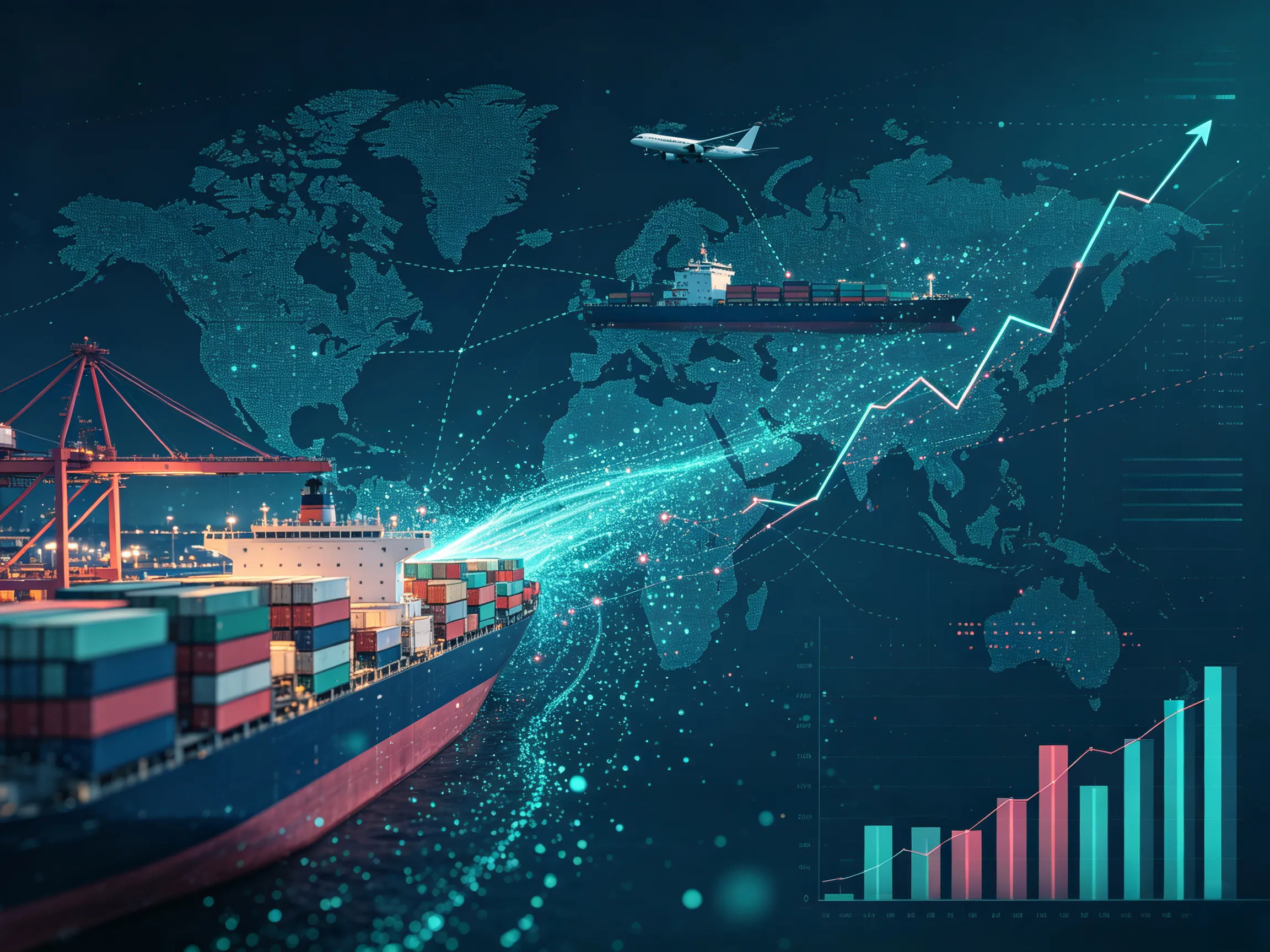
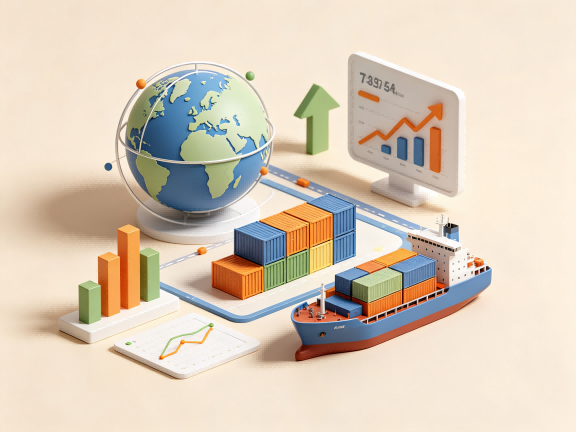
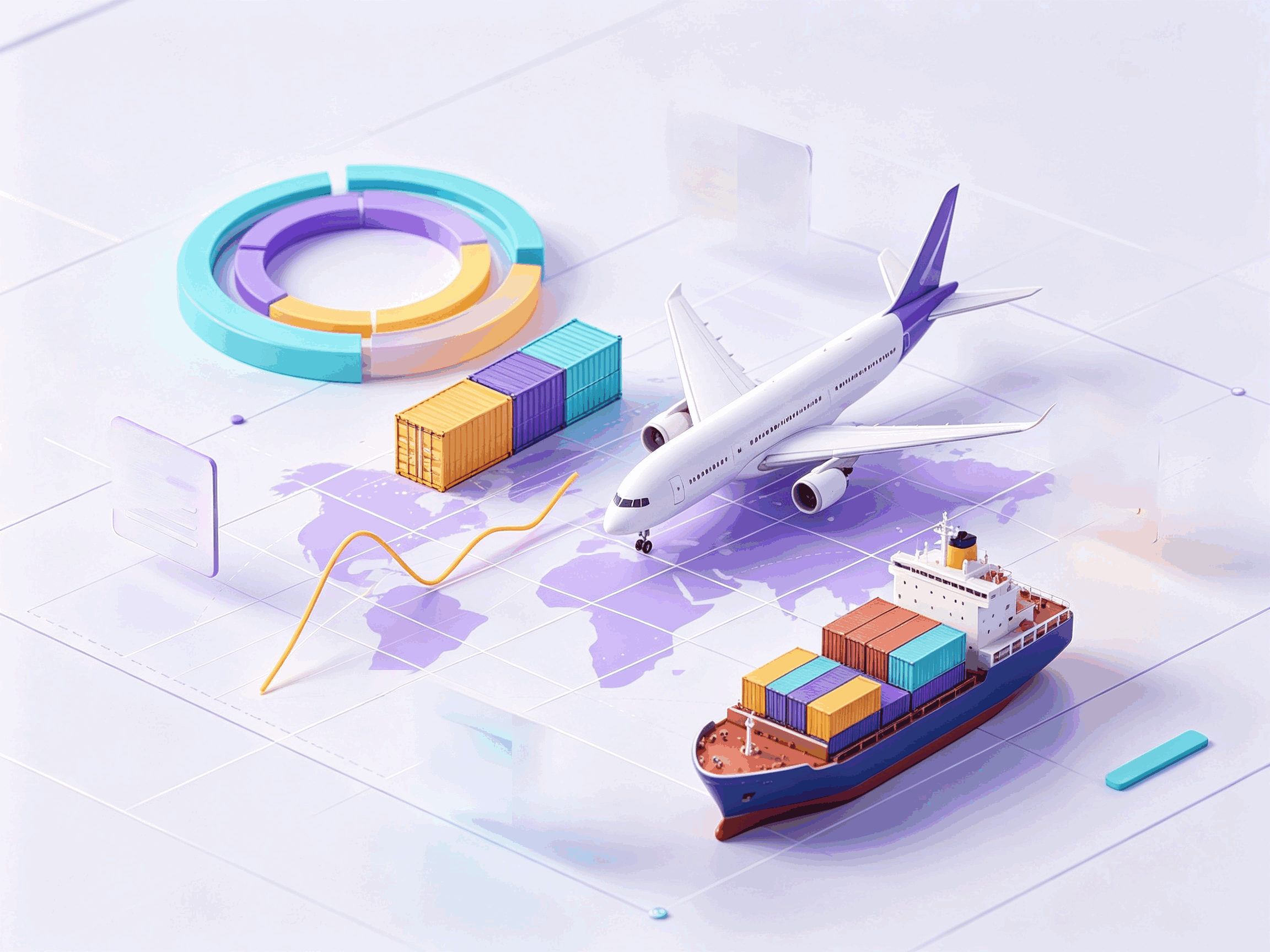
Global supply chains remain vulnerable to manual paperwork, fragmented data, customs delays, and poor visibility across cross-border shipments. Traditional import and export workflows rely on spreadsheets, local desktop software, and email chains to manage bills of lading, commercial invoices, tariff codes, and compliance records. These outdated methods create data silos, increase human error, and slow down decision-making. Cloud-based import export solutions solve these pain points by centralizing all cross-border trade operations on a shared, real-time digital platform.

For B2B manufacturers, freight forwarders, and trading companies, supply chain efficiency is no longer only about cutting shipping costs. It depends on predictable lead times, accurate trade compliance, and end-to-end shipment visibility. Cloud import export tools connect logistics teams, customs brokers, suppliers, and buyers into one unified workspace. Authorized stakeholders can access trade data anytime from any device, removing the bottlenecks caused by offline document sharing and version control conflicts.
Core Ways Cloud Import Export Tools Boost Supply Chain Performance
1. Automate Trade Documentation & Reduce Manual Errors
Cross-border trade requires dozens of documents: commercial invoices, packing lists, bill of lading, certificate of origin, and customs declarations. Manual data entry often leads to typos, mismatched product descriptions, or incorrect HS codes. Even small mistakes can trigger customs holds, fines, or shipment rerouting.
Cloud platforms store reusable product master data and auto-generate compliant trade documents. Once product details, tariff classifications, and country rules are saved, the system populates forms in one click. It also validates fields before submission, catching common errors early. This reduces document preparation time by 30%–50% for many trade teams and lowers the risk of customs inspection delays.
2. Real-Time Shipment & Inventory Visibility
Legacy systems separate ocean freight, air cargo, customs status, and warehouse inventory data. Logistics managers spend hours contacting carriers and brokers to locate cargo. Cloud-based import export solutions integrate with carrier APIs and bill of lading databases. Teams can track shipment milestones in a single dashboard: vessel departure, transit status, customs release, and final delivery.
When delays occur, alerts notify stakeholders instantly. Businesses can adjust production schedules, notify buyers proactively, and reroute inventory before disruptions escalate. This level of transparency is critical for managing volatile global shipping schedules.
3. Streamline Global Trade Compliance
Trade regulations, sanctions lists, tariff rates, and import restrictions change constantly across countries. Keeping up with updates manually is resource-intensive and risky. Non-compliance may result in cargo seizure, penalties, or restricted market access.
Cloud trade platforms maintain continuously updated regulatory databases. They screen partners against restricted party lists, verify tariff duties, and flag country-specific import requirements. The system also creates immutable audit trails for all trade transactions. During customs audits, teams can quickly retrieve full document histories instead of digging through physical files or scattered emails.
4. Improve Collaboration Between Trading Partners
Import and export workflows involve multiple parties: suppliers, freight forwarders, customs brokers, 3PL warehouses, and end buyers. Without a shared platform, communications are scattered across emails, phone calls, and separate spreadsheets. Miscommunication often leads to missed deadlines and misaligned expectations.
Cloud solutions enable role-based access control. Each partner only sees the data they need to complete their tasks. Brokers can upload clearance results; suppliers submit shipping documents; finance teams pull landed cost data. All comments and file updates are logged in the same record, eliminating duplicate messages and information gaps.
5. Accurate Landed Cost Calculation
Many companies underestimate total landed cost, including duties, taxes, brokerage fees, insurance, and handling charges. Inaccurate cost forecasting erodes profit margins and pricing strategy. Cloud import export systems automatically calculate full landed costs at the quotation stage, using live tariff and tax data.
This allows sales and procurement teams to make informed sourcing and pricing decisions before orders are confirmed. Businesses can compare costs across different ports, carriers, and origin countries to optimize sourcing strategies.
Practical Implementation Tips
- Map your existing import/export workflows first, identify bottlenecks such as document delays or compliance gaps before selecting a platform.
- Prioritize solutions with native integrations to carriers, customs systems, and your existing ERP or CRM to avoid new data silos.
- Standardize your product master data and HS code library before migration; clean data is essential for reliable automation.
- Train internal teams and external partners on platform usage. A strong adoption strategy delivers much higher ROI than technology alone.
- Start small: roll out the cloud tool for one trade lane first, refine processes, then expand to other regions and shipment types.
FAQ
Q: Are cloud import export tools suitable for small and medium trading companies? A: Yes. Many cloud platforms offer scalable subscription pricing, so SMEs avoid large upfront investments in on-premise software. They can start with core document and compliance features and add advanced tracking or analytics as trade volumes grow.
Q: How secure is sensitive trade data stored on cloud platforms? A: Reputable providers use enterprise encryption, access permission controls, regular security audits, and data backup protocols. Trade documents, customer information, and financial records are protected better than local spreadsheets shared by email.
Q: Can cloud systems fully replace customs brokers? A: No. The platform automates data, document generation and compliance checks, but experienced brokers still provide expert judgment for complex customs rulings, special commodities, or disputed declarations. The tool empowers brokers to work faster rather than replacing them.
Closing Thoughts
Cloud-based import export solutions transform cross-border trade from a slow, paperwork-heavy process into a streamlined, data-driven operation. By automating documentation, centralizing visibility, maintaining regulatory compliance, and connecting all supply chain partners, businesses reduce shipment delays, cut operational overhead, and improve profit predictability. In an era of frequent global trade disruptions, this cloud technology is not merely an upgrade — it is a foundation for resilient, efficient global supply chains.