Global trade remains essential, but it has become harder to read. According to the WTO, world merchandise trade volumes expanded by 4.6 percent in 2025, even as tariffs, policy uncertainty, and shifting supply chains kept importers under pressure. Procurement teams no longer compete only on price; they compete on speed, visibility, and risk control.
This is why more modern importers are moving away from a loose collection of trade directories, spreadsheets, emails, and standalone customs databases. They are consolidating discovery, validation, and follow-up inside a single integrated global trade platform. The shift reflects a real gap between how trade data is produced and how buyers need to use it.
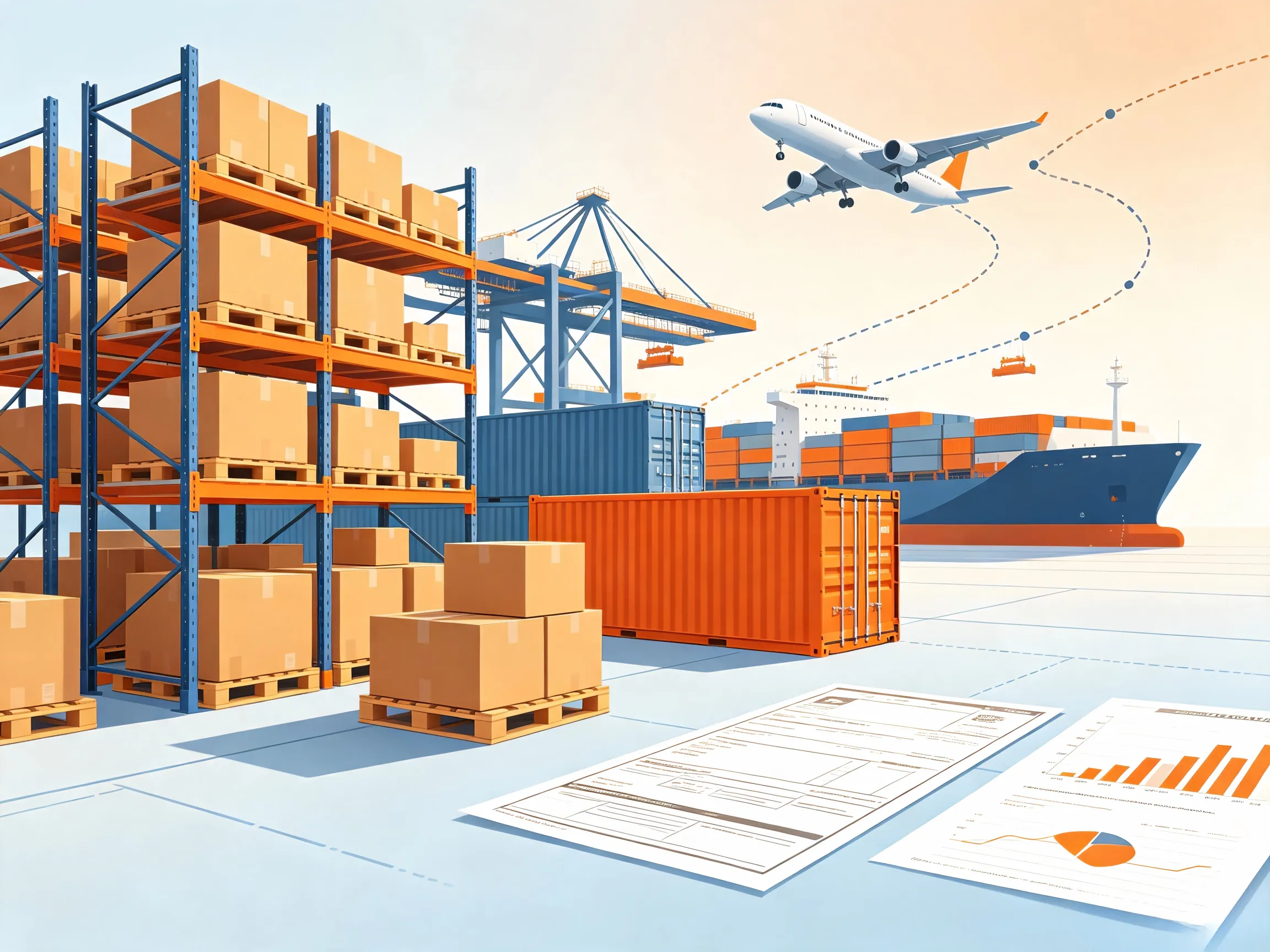
What an Integrated Global Trade Platform Actually Does
An integrated global trade platform brings the information importers need into one workspace: shipment-level customs records, supplier and buyer profiles, product and HS-code trends, company background, contact enrichment, competitor activity, and pipeline tracking. Instead of asking a different tool for each question, the buyer works from one record of every company, shipment, and conversation.
The key word is integrated. A directory that lists suppliers is not the same as a platform that shows whether those suppliers actually ship, to whom, and how often. A raw customs database is only useful when records are cleaned, deduplicated, matched to real companies, and connected to the buyer’s outreach tools.
Why the Old Sourcing Stack No Longer Works
Fragmented Tools Create Blind Spots
Many importers still source through a patchwork: a B2B marketplace, a search engine, a customs statistics page, a spreadsheet, an email inbox, and a messaging app. Each tool keeps its own records, so supplier names appear in several forms, shipment history is hard to assemble, and the same company may be counted twice.
Trade records also contain noise. Freight forwarders, brokers, intermediaries, and trading houses frequently appear alongside manufacturers, which can make a supplier look larger or more direct than it is. Without entity-level matching, buyers spend time sorting records instead of evaluating products.
Public Statistics Are Too Coarse and Too Slow
Macro trade statistics are useful for market sizing, but they rarely answer the questions a procurement team needs today. Aggregated country-level data can show that a category is growing, but it cannot identify which manufacturers ship the most recent orders, which buyers source the same product, or which suppliers recently lost a major customer.
Public customs releases also lag. By the time aggregated figures reach a report, the shipment pattern may have already changed. Importers who wait for monthly or annual summaries are analyzing a market that has already moved on.
Supplier Risk Stays Hidden Until After the Order
Traditional directories focus on how a company presents itself. A polished storefront can hide irregular shipping history, inconsistent order volumes, or a heavy reliance on one intermediary. The buyer only discovers these issues after samples, negotiations, or even a first shipment.
Integrated platforms reduce that risk by grounding evaluation in shipment history. A supplier with repeated orders to credible buyers, stable volumes over several quarters, and a clear manufacturer profile is easier to assess than one judged solely by a website and a quotation.
Four Capabilities Driving the Shift
1. Shipment-Level Customs Intelligence
The core layer is customs shipment data: product descriptions, HS codes, shipment dates, quantities, and the parties involved. This lets importers see actual trade activity rather than marketing claims, compare suppliers by export frequency, and identify manufacturers active in target categories.
2. Unified, Cleaned Company Records
Raw records vary by country and by document format. A good platform consolidates duplicate entries, separates manufacturers from traders and brokers, and links related branches and subsidiaries. Contact enrichment then turns a shipment record into a reachable company profile, while clearly marking which details are sourced and which require confirmation.
3. Competitor and Market Monitoring
Importers can track which suppliers their rivals use, follow which buyers appear in a product category, and watch how sourcing routes shift between regions. Market trend views help teams balance cost, lead time, and supply concentration instead of reacting after a disruption.
4. Pipeline Workflow Inside the Same Workspace
The most useful platforms connect intelligence to action: shortlist suppliers, assign follow-up tasks, record emails and calls, track quotation status, and export the pipeline to a CRM. This keeps sourcing decisions tied to the evidence behind them, so a new buyer or manager can review why a supplier was selected.
How Importers Benefit in Practice
Consider a mid-size importer comparing factories for a component category. The old process required searching directories, copying contacts into a spreadsheet, and asking each supplier for references. The platform approach starts from shipment records: identify companies with recent exports, inspect order frequency and destination markets, filter out intermediaries, and shortlist verified manufacturers.
The practical advantages are consistent across categories:
- Shorter supplier shortlists built on real shipment activity rather than advertising rankings.
- Lower risk of selecting a trader that presents itself as a factory.
- A broader view of sourcing options across multiple countries instead of one marketplace.
- Repeatable outreach records that survive staff turnover.
- Earlier visibility into supply shifts, such as a supplier moving capacity to another product line.
The scale of related cross-border commerce shows why this matters. China’s customs administration reported cross-border e-commerce imports and exports of 2.84 trillion yuan in 2025, up 4.8 percent year on year, equal to 6.2 percent of the country’s total goods trade. As cross-border volumes grow, procurement teams need systems that scale with thousands of suppliers, not manual files.
A Practical Checklist for Choosing a Platform
Before subscribing, compare candidates against the following points:
- Country and customs coverage: Does it cover the sourcing markets and destination regions where you actually trade?
- Record freshness: How recent are the shipment records, and how often are they updated?
- Data cleaning: Are duplicates merged, and are manufacturers, traders, and brokers distinguishable?
- Contact quality: How are contacts enriched, and is the source and confidence level shown?
- Monitoring: Can you track suppliers, competitors, buyers, and categories with alerts?
- Integration: Can records and pipeline data be exported to your CRM?
- Transparency: Does the provider explain where its data comes from and its limitations?
- Trial access: Can you review sample records for your own product category before committing?
What to Watch Out For
A platform is a decision-support tool, not a guarantee. Customs records may omit buyer contacts in some markets, intermediaries may still appear in shipment parties, and classifications can be inconsistent. Importers should still verify licenses, references, sample quality, certification, and contract terms before a large order.
Avoid choosing a platform only by database size. A smaller, well-cleaned dataset for your core category often produces better shortlists than a massive collection of unfiltered records.
Frequently Asked Questions
What Is an Integrated Global Trade Platform?
It is a single system that combines customs shipment records, supplier and buyer profiles, market trends, contact information, and pipeline tracking. It replaces separate directories, spreadsheets, and isolated databases with one record per company.
How Do Customs Records Help Importers?
Customs records show actual shipment dates, products, parties, and order frequency. This helps importers confirm whether a supplier is active, compare trading patterns, identify intermediaries, and discover manufacturers they would not find through marketplace rankings.
Can a Trade Platform Replace Trade Shows and Directories?
Usually not. Platforms are best for discovery and validation before a meeting, while trade shows and directory outreach remain useful for relationship building. The strongest importers use platforms to prepare targeted shortlists, then verify suppliers through conversations, samples, and audits.
Is Using Trade Data Legal?
Many countries release shipment-level customs information that can be aggregated and licensed for commercial use, but coverage and rules differ by market. A reputable provider explains its data sources and handles records in line with applicable privacy and trade rules.
How Should an Importer Start?
Begin with one product category and two or three sourcing countries. Pull sample records, check whether supplier identities are clear, test contact reachability, and see how easily the shortlist can be exported. If records are clean and current, expand to competitor monitoring.
Bottom Line
Importers are shifting to integrated global trade platforms because fragmented tools no longer match the speed and risk of modern procurement. Macro reports and directory listings describe the market in broad strokes; shipment-level intelligence shows who is actually trading, with whom, and how often. Combined with cleaned company records and a workflow for follow-up, these platforms help buyers build shorter, safer, and more evidence-based supplier pipelines.