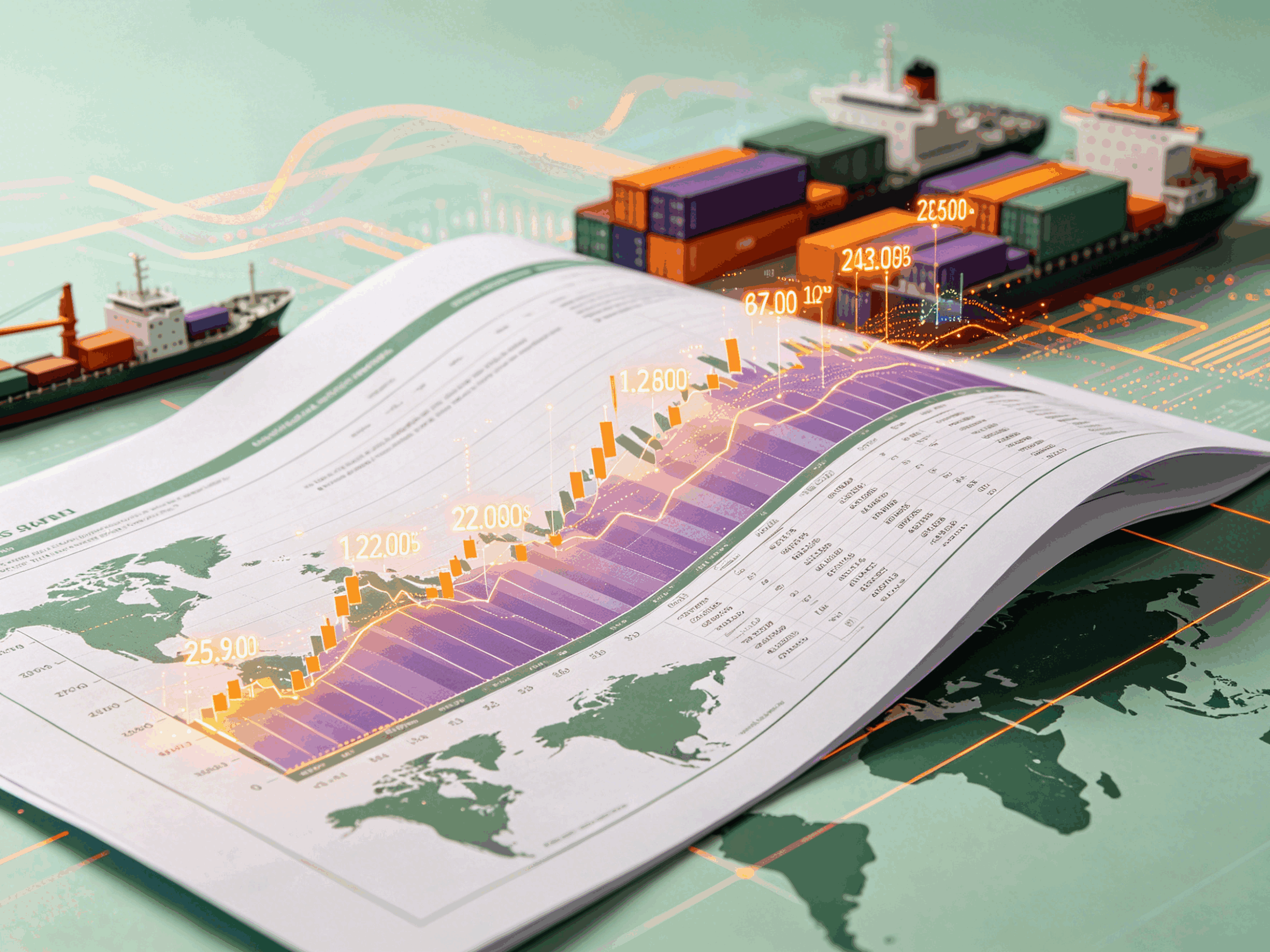
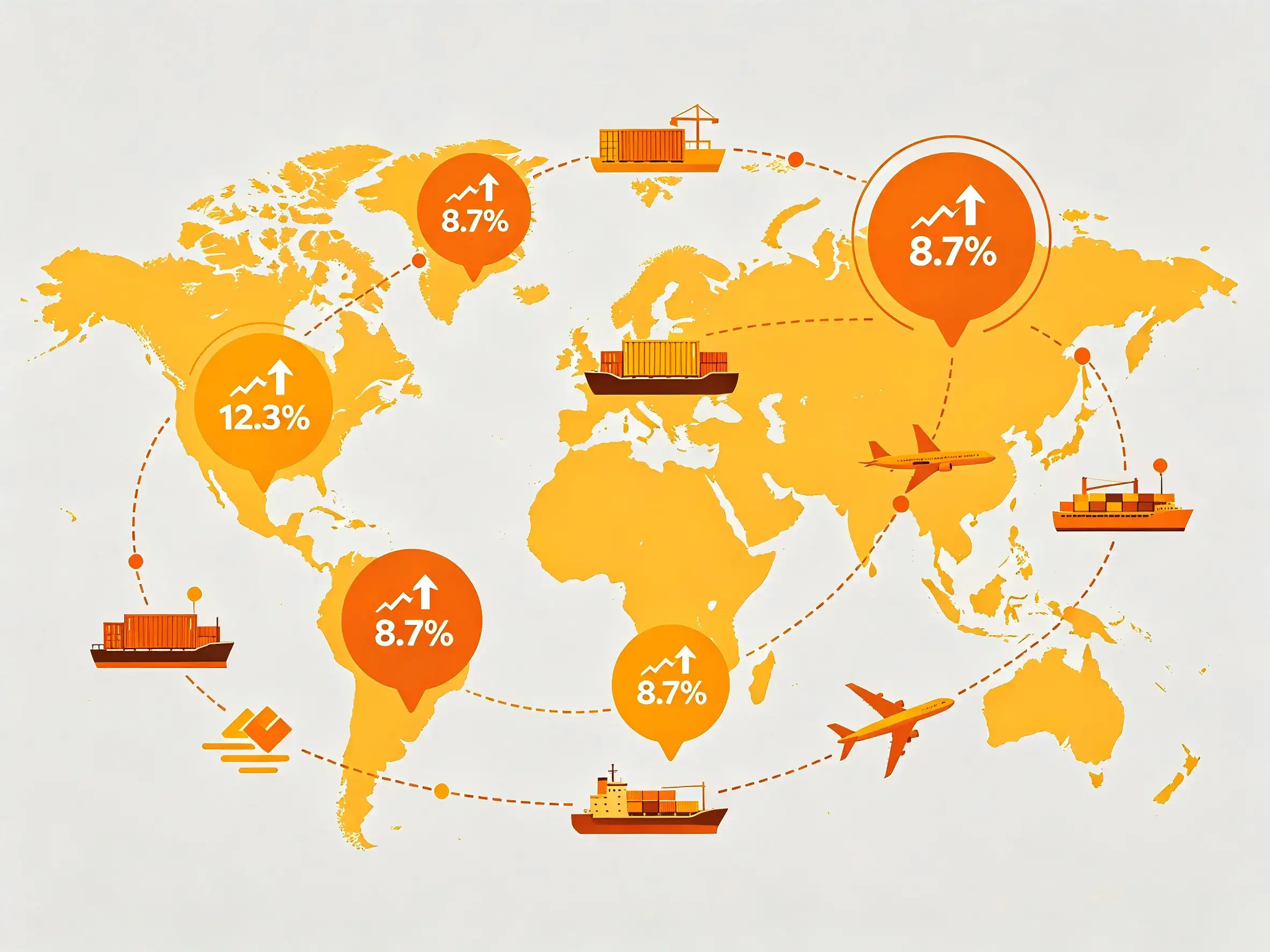
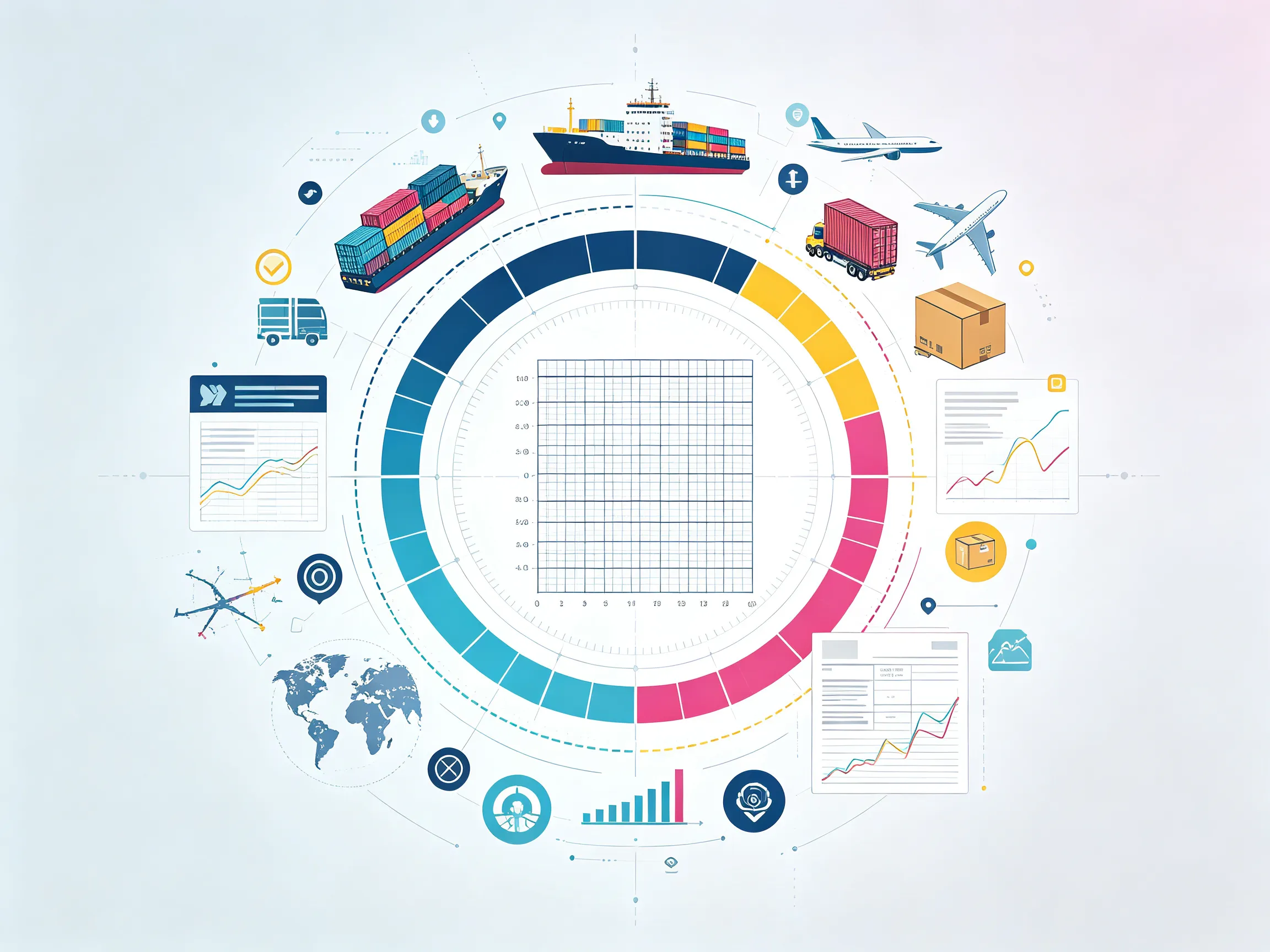
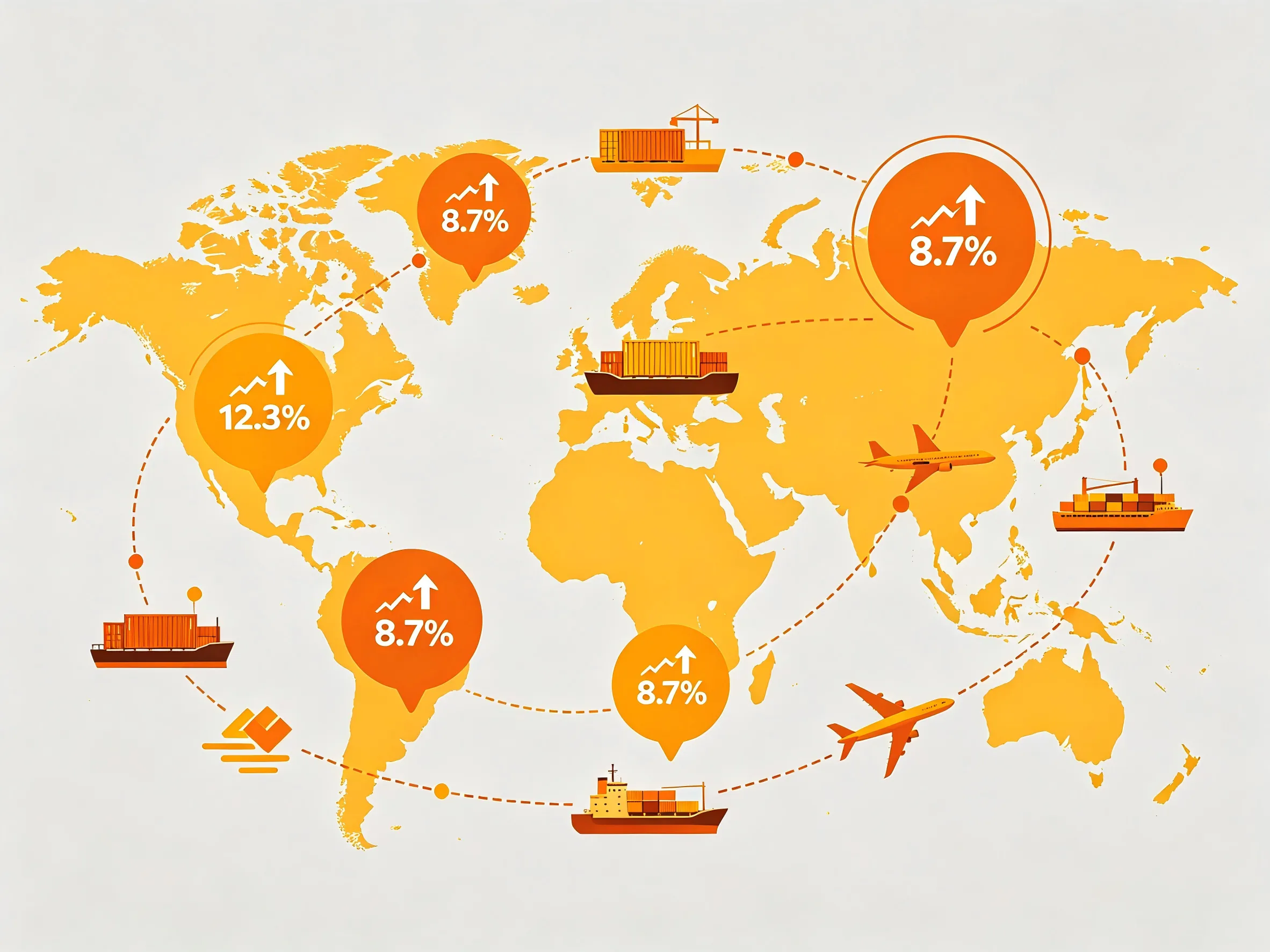
Customs (bill of lading) data records real import shipments, including importer names, product descriptions, HS codes, shipment volume, frequency, origin countries and ports. It helps you locate buyers who already purchase products like yours, instead of cold messaging random companies. Below is a complete, actionable workflow.
1. Prepare accurate HS codes and define your target market
The HS code is the core search key. The first 6 digits are globally unified; extended digits vary by country.
- Confirm the 6-digit HS code matching your product. Too broad codes bring irrelevant results; overly narrow codes may miss valid buyers.
- Select target importing countries. Note that not all nations release full shipment-level customs data. For example, the US, Latin America and some Southeast Asian countries provide detailed bill of lading records, while most EU countries only publish aggregated statistics without company names.
- Add product keywords as supplements to avoid mismatches caused by different product descriptions.
2. Search and filter high-value buyers
There are two common search strategies:
Strategy A: Direct search by HS code
Input your HS code + target country, then filter shipment records from the past 6–24 months. Prioritize buyers with recurring shipments rather than one-time trial orders. Use these filters to rank prospects:
- Shipment frequency: Companies importing every 1–3 months are stable buyers.
- Shipment volume/value: Match with your MOQ.
- Original supplier country: Check where they currently source goods. If they import from your competing countries, you have a clear selling point.
- Exclude freight forwarders and logistics agents. Many records list the forwarder as the consignee, not the actual buyer.
Strategy B: Reverse search via your competitors
Search your competitors’ exporter names. Customs data shows which overseas buyers they supply, shipment sizes and delivery cycles. This is an efficient way to find buyers already familiar with your product category. You can target buyers with frequent supplier changes or declining order volumes from your competitors.
3. Verify and enrich buyer profiles
Customs data usually provides only company names, not direct contact information. You need to do manual due diligence:
- Visit the company official website to check their product lines, business model (retailer, wholesaler, distributor), scale and target market.
- Search LinkedIn to locate purchasing managers, sourcing directors or supply chain leads.
- Find business emails, phone numbers via company domain search tools.
- Record insights into a CRM: purchase cycle, current supplier, estimated order volume and pain points.
Score each lead to focus your limited time on high-matching prospects instead of mass outreach.
4. Personalized outreach & follow-up
Do not send generic mass emails. The biggest advantage of customs data outreach is that you can prove you understand their actual import behavior. A good email hook example:
I noticed your company imported [product] from [country] in [month]. We are a manufacturer offering stable quality and competitive lead time, and can support your order volume.
Track replies and build follow-up schedules. Keep updating their shipment records to catch timing windows when they are looking for new suppliers.
5. Useful data sources & compliance notes
Platform options
- Free aggregated data: UN Comtrade, ITC Trade Map. Good for macro market trend analysis, but no individual buyer names.
- Paid bill-of-lading tools: Panjiva, ImportGenius, Descartes Datamyne. Offer shipment-level importer records for supported regions.
Compliance reminders
- Customs data is for business intelligence only. Do not misuse data for spam, privacy violations or illegal commercial activities.
- Some regions have strict data protection rules like GDPR. Avoid collecting or using personal contact information in violation of local privacy laws.
- Company names in customs records may have abbreviations or aliases; cross-verify before contacting.
FAQ
Q1: Why can’t I find customs buyer data for EU countries?
Most EU countries do not disclose company-level import bill data to the public. You can use company registries, industry associations and LinkedIn to complement your lead generation for Europe.
Q2: Is a buyer with large shipment volume always the best prospect?
Not necessarily. Large buyers usually have strict supplier qualification thresholds and low profit margins. Medium-sized buyers with stable repeated orders often have higher cooperation potential.
Q3: How to distinguish real importers from freight forwarders?
Check whether the company’s website sells goods, or only provides logistics services. If all their customs records involve multiple different product categories, it is likely a freight forwarder.