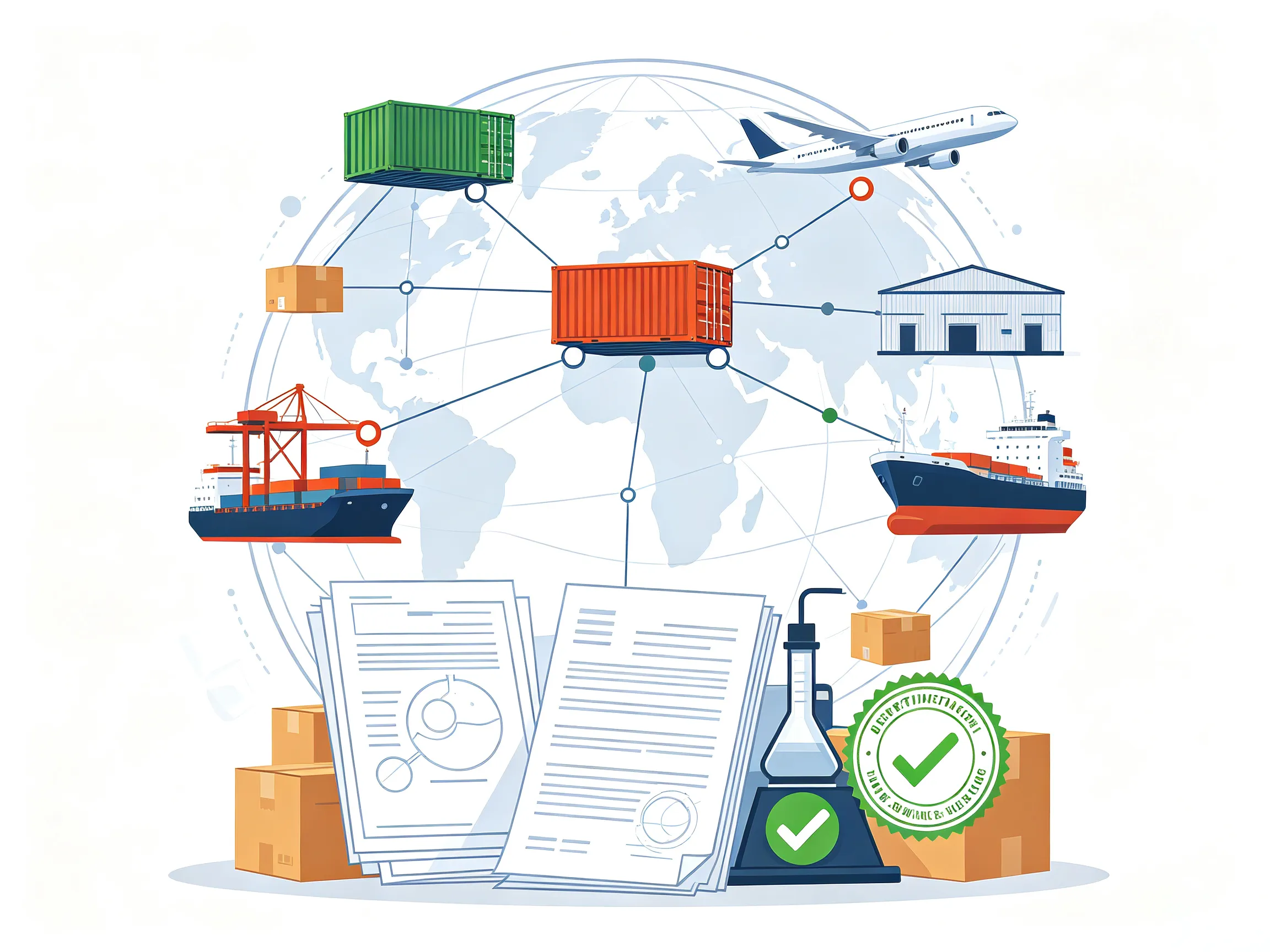
Search engines and B2B directories only tell you what companies claim about themselves. A firm may list “importer” on its website, publish polished case studies and respond to inquiry forms, yet it could be a small broker, one-time buyer or reseller with no stable purchasing budget. Real customs data changes this dynamic. Pulled from bill-of-lading and import declaration records, it shows actual shipments: what goods an entity imports, how often, from whom and in what volume. For exporters, this turns guesswork into evidence-based buyer qualification.
Raw customs datasets are messy. The first challenge is separating true importers from logistics intermediaries. Freight forwarders, customs brokers and NVOCCs frequently appear as consignees on manifests, but they do not own the goods or make purchasing decisions. Start by filtering out company names containing terms like logistics, forwarding, freight, transport or broker. Then cross-check cargo descriptions against your product HS code. The 6-digit global HS base code ensures product alignment; local extensions such as US HTS add granularity. A prospect importing the same broad HS category but unrelated product descriptions is not your target buyer, even if the name looks promising.
Once intermediaries are removed, score each importer using four core transaction metrics.
- Recency: Prioritize buyers with shipments in the past 12 months. Companies with no import activity for 18+ months may have exited the category, switched markets or paused operations.
- Frequency: Look for recurring shipments rather than single trial orders. An importer receiving 3+ consignments annually demonstrates ongoing demand and stable supply-chain needs.
- Volume match: Avoid firms whose order size is far above or below your MOQ and production capacity. A huge retailer importing hundreds of containers may not consider small manufacturers, while micro-importers rarely sustain long-term contracts.
- Supplier diversity: Check the origin countries of their recent shipments. Buyers sourcing from multiple suppliers are more open to new vendors. Those relying on one exclusive supplier may be harder to displace, though they could still diversify if quality or delivery issues arise.
A real-world example illustrates this workflow. A European hardware exporter used customs records to shortlist US importers for metal fittings. The initial dataset returned 420 company names. After removing freight forwarders and filtering HS mismatches, 117 prospects remained. Volume and frequency screening cut the list to 38. Further analysis showed 12 buyers were reducing orders from their existing Asian suppliers. The exporter sent personalized outreach referencing the recent shift in import volumes. This small group generated a 17% reply rate, far above the typical 1–3% from generic B2B cold emails.
Customs data cannot stand alone. Add external validation to reduce risk. Verify corporate registration status, check sanctions lists, read business credit reports and visit the company website or LinkedIn to confirm operations. Even consistent import records do not guarantee reliable payment or compliance. Use customs intelligence to identify prospects, then use public business records to flag red flags such as overdue debts, legal disputes or restricted party matches.
When you build outreach, leverage customs insights to tailor your pitch. Instead of a generic introduction, reference their recent shipments: “I see you imported stainless fittings from India in March and June. Our factory supplies the same specification with shorter lead times.” This shows you have done research, not mass spamming. Buyers are far more willing to engage when they recognize you understand their actual supply chain.
FAQ
Q: Are customs data records available for every country?
A: No. Some governments publish bill-of-lading import records, while others keep trade data aggregated at country and product level without company names. Coverage varies widely between North America, Latin America, Europe and Southeast Asia.
Q: Is using customs data for B2B outreach compliant?
A: It depends on target-market privacy rules. Customs records are often public trade documents, but outbound emails and messaging must comply with GDPR, CAN-SPAM and local anti-spam laws. Avoid scraping private contact details and respect opt-out requests.
Q: What is the biggest mistake exporters make with customs data?
A: Treating every company on the list as a genuine buyer. Many records belong to forwarders, re-export traders or one-off purchasers. Qualification starts with filtering, not emailing.
Customs data does not replace due diligence, but it solves the oldest problem in export lead generation: separating companies that talk about importing from companies that actually import. By combining HS matching, shipment pattern analysis, supplier mapping and lightweight corporate checks, you can shrink huge raw datasets into a tight, high-conversion prospect list. Instead of searching for buyers, you identify buyers who are already buying your product.