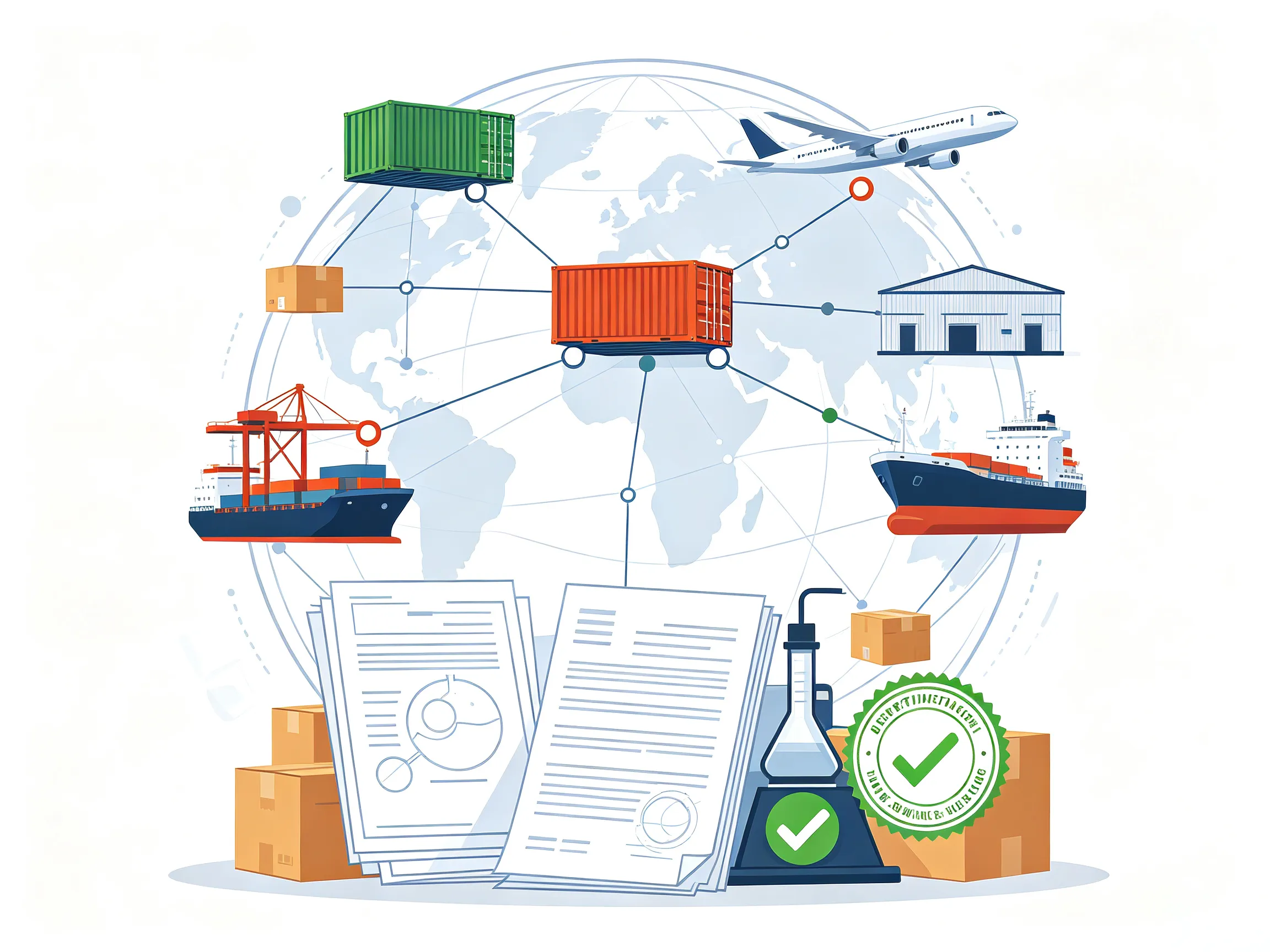
Every exporter’s biggest challenge is not manufacturing a good product, but connecting with stable, legitimate importers who can place repeat orders and pay on time. Many new suppliers waste months chasing low-quality leads, tire-kickers and scammers because they rely only on one sourcing method.
Below are seven battle-tested channels, with clear pros, limitations and actionable tactics you can add to your export lead generation workflow. Each channel serves a different purpose. The best results come from combining them, not sticking to just one.
1. Verified Customs & Bill of Lading Trade Intelligence Platforms
This is the most powerful channel for targeting active importers, not just companies that claim to buy your goods. Customs and bill of lading data shows real import history: product names, HS codes, shipment volumes, origin countries, frequency of purchases and existing suppliers. You identify buyers who are already importing your product type, instead of guessing who might need it.
Practical tips:
- Filter leads by shipment frequency to separate one-time buyers from regular distributors.
- Cross-check their current suppliers so you can build a value proposition for switching.
- Always verify company registration before outreach.
Best for: High-intent, verified leads; industrial goods, packaging, raw materials, consumer staples. Limitation: Data coverage varies by country; some markets do not release full customs records.
2. Global & Regional B2B Marketplaces
B2B platforms remain the default starting point for new exporters, as they attract buyers actively searching for new suppliers. Major options include Alibaba.com, Global Sources, Made-in-China, Europages, Kompass and niche regional directories.
How to get reliable inquiries:
- Complete your profile with certifications, factory audit reports, clear MOQ and lead time.
- Upload high-quality product photos, test reports and packaging samples.
- Do not wait passively for RFQs; use the built-in buyer search to message matching importers.
- Avoid racing to the bottom on price; highlight quality and compliance.
Best for: Quick inbound inquiries, small and medium buyers, consumer goods. Limitation: Heavy price competition; many leads are one-off resellers or comparison shoppers.
3. International Trade Fairs & Virtual Buyer-Seller Matchmaking
Trade shows deliver face-to-face trust, which is hard to replicate online. Statistics show around 82% of qualified trade fair attendees hold purchasing authority, making this channel excellent for long-term distributor partnerships.
Top examples: Canton Fair, Anuga, Automechanika, Ambiente and sector-specific specialty expos. If travel budgets are tight, official virtual booths and pre-scheduled buyer matchmaking sessions are solid alternatives.
Pro rules for trade fair success:
- Prepare samples, technical sheets and a concise company pitch.
- Collect business cards and record each buyer’s exact needs.
- Send a personalised follow-up within 48 hours after the show.
Best for: High-value goods, branded products, machinery, food and niche manufacturing. Limitation: High booth, travel and sample costs; low ROI if you skip structured follow-up.
4. LinkedIn for B2B Direct Outreach
LinkedIn is ideal for reaching decision-makers: import managers, purchasing directors, business owners and category buyers at distribution firms. Unlike B2B platforms, you can target people, not just company listings.
Effective workflow:
- Optimise your profile as a supplier landing page, not a personal resume.
- Filter by industry, country, job title and company size.
- Send short, value-first messages, not generic sales spam. Reference their company’s product range or recent imports.
- Pair LinkedIn research with email lookup tools to build multi-touch outreach sequences.
Best for: Mid-sized distributors, branded importers, industrial and engineered products. Limitation: Takes consistent effort; generic connection requests get ignored.
5. Chambers of Commerce & Trade Promotion Organisations
Local chambers of commerce, export promotion councils and overseas trade missions maintain curated buyer directories, host buyer-seller meetings and run trade delegations. Many of their leads are pre-vetted, reducing fraud risk.
What you can access:
- Verified importer member lists in target countries.
- Market research reports and trade rule guidance.
- Delegation events where importers are formally looking for new suppliers.
You can join both your home country export council and the chambers of your target import markets.
Best for: Risk-sensitive exporters, government-backed buyer programmes, market entry support. Limitation: Lead volume is usually smaller than B2B platforms or customs data.
6. Google SEO + Targeted Cold Email Prospecting
A professional export website plus Google search prospecting forms a sustainable long-term channel. You can rank your site for product + importer keywords to attract inbound enquiries, while manually searching for distributors with search strings like “[product] importer in [country]”, “[product] wholesale distributor”.
Cold email works only when personalised:
- Write a clear subject line that avoids spam triggers.
- Explain how you solve their supply chain pain point, not just list your factory.
- Attach relevant certificates or case studies, not bulky catalogues.
- Add a single clear call to action.
Best for: Niche products where B2B platforms lack enough specialised buyers. Limitation: Inbound SEO takes months; cold outreach needs careful compliance with anti-spam laws.
7. Referral Networks & Existing Partner Introductions
This underused channel often delivers the most reliable importers. Happy current buyers, freight forwarders, third-party inspectors, logistics agents and complementary non-competing suppliers can introduce you to trusted contacts in their network.
Referrals carry built-in social proof. An importer is far more likely to trust you when another industry partner vouches for you. Build reciprocal relationships: share qualified leads when you can, instead of only asking for introductions.
Best for: All product categories, building stable long-term distribution. Limitation: Lead flow depends on how well you nurture your existing industry connections.
Critical Step: Vet Every Importer Before Closing
No sourcing channel guarantees reliability. Add this quick verification checklist for every new lead:
- Check business registration and tax status in their country.
- Confirm import history via customs data when available.
- Ask for trade references from their current suppliers.
- Start with small trial orders and use secure payment terms.
- Screen for sanctions and restricted party lists.
Final Thoughts
Customs trade data is best for fast access to active buyers. B2B marketplaces bring steady inbound RFQs. Trade fairs and referrals create high-trust relationships. LinkedIn and Google outreach help you reach hidden distributors who do not actively browse sourcing platforms.
The strongest export lead system uses a mix of these channels, plus consistent lead qualification. Relying on one single source leaves your business vulnerable when that channel’s quality drops.