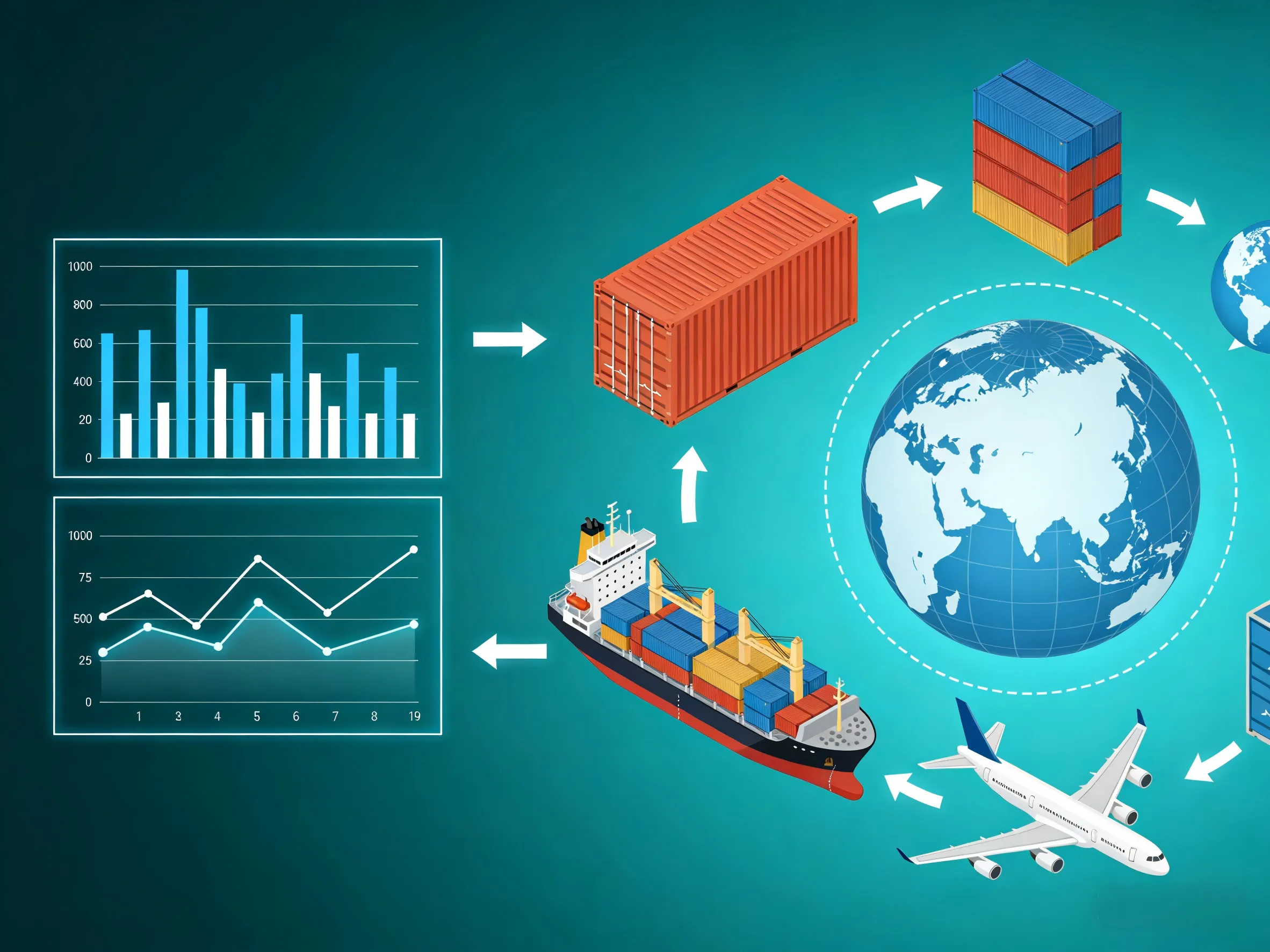
In today’s competitive global market, cold outreach and generic trade directories are no longer enough. High-performing B2B exporters leverage Customs Data (Trade Data) to pinpoint active international buyers, analyze competitors, and optimize their supply chain strategies.
But how exactly does customs data work? Where does it come from, how is it processed, and how can you turn raw shipping records into actionable sales leads? Here is a complete breakdown.
1. What is Customs Data?
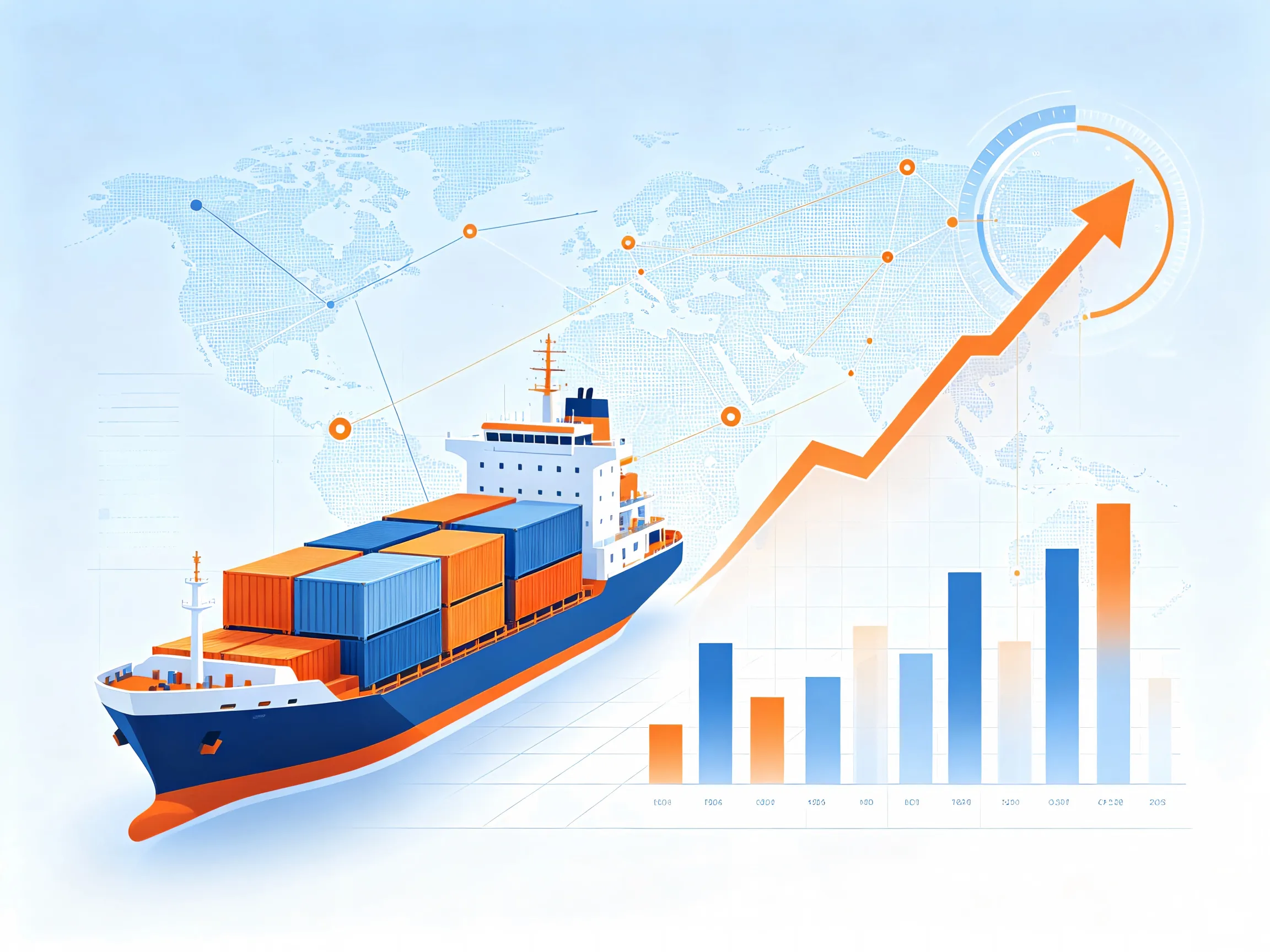
Customs Data refers to official trade declaration documents and shipping records collected by national customs authorities worldwide. Every time goods cross an international border—whether by sea, air, or land—importers and exporters must submit standardized shipping declarations (such as Bills of Lading and Customs Declarations).
These records document the movement of physical goods, detailing:
- Who is buying and selling (Importer & Exporter Names)
- What is being shipped (HS Codes & Product Descriptions)
- How Much is being moved (Quantity, Weight, and Value)
- Where & When the shipment takes place (Ports of Loading/Unloading, Shipment Dates)
2. Where Does Customs Data Come From?
Customs data originates directly from official government declaration systems, freight forwarders, and port authorities.
The Key Source Documents:
- Bill of Lading (B/L): The official contract between the shipper and the carrier, issued for ocean freight. It contains detailed consignment information.
- Customs Declaration Forms: Official documentation filed by customs brokers or traders with national customs agencies (e.g., US Customs and Border Protection – CBP).
- Manifest Data: Cargo lists submitted by ships, airlines, and logistics carriers before entering or leaving a port.
3. How Customs Data Works: The Step-by-Step Flow
Understanding the journey of trade data helps you evaluate its accuracy and value:
Step 1: Declaration & Filing
When a shipment leaves China for the United States, the exporter (shipper) and importer (consignee) submit shipment manifests and Bills of Lading to customs offices at both the port of origin and the port of destination.
Step 2: Collection & Verification
Customs agencies verify the shipment details against tax compliance, security standards, and trade regulations.
Step 3: Public Disclosure & Freedom of Information
Under public transparency laws (such as the US Freedom of Information Act – FOIA), many countries make non-confidential ocean bill of lading data available to the public.
Step 4: Data Processing & Cleaning
Raw customs data is notoriously messy. Modern trade intelligence platforms clean, standardize, and enrich this raw data by:
- Mapping variations of company names (e.g., “Jiaozuo Qiangxin Cable Co., Ltd.” vs. “Qiangxin Cable Henan”)
- Matching HS Codes across different international tariff schedules
- Adding business contact details (emails, phone numbers, LinkedIn profiles)
4. Key Data Fields You Can Track
A standard customs database entry typically includes:
| Data Field | What It Reveals | B2B Sales Value |
| HS Code | 6-to-10 digit product classification | Target buyers purchasing your exact product category. |
| Importer Name | The buyer receiving the goods | Identify active companies buying from your competitors. |
| Exporter Name | The manufacturer/supplier | Track competitor shipment volume and market share. |
| Shipment Date | Exact date of entry/exit | Determine buyer purchasing frequency and seasonal cycles. |
| Volume & Weight | Metric tons, TEUs, or piece count | Filter for large-scale buyers that fit your factory capacity. |
| Port of Origin/Entry | Logistics route taken | Analyze freight routes and logistics efficiency. |
5. Global Coverage & Limitations
While customs data is extremely powerful, transparency laws vary by country:
- Fully Transparent Countries (Bill of Lading Level): USA, India, Vietnam, Mexico, Brazil, Colombia, Russia, Pakistan, Costa Rica, etc. You can see exact buyer and seller names.
- Aggregated/Mirror Data Countries: Many European Union nations and China do not release individual company-level bill of lading data publicly to protect trade secrets. However, platforms use Mirror Data (e.g., tracking US import records from EU suppliers) to reveal trading activities in these regions.
6. How B2B Exporters Use Customs Data to Drive Growth
- Precision Buyer Targeting: Stop emailing dead leads. Filter for buyers actively purchasing your specific HS Code within the last 3–6 months.
- Competitor Intelligence: See who your competitors are selling to, their shipping volume, and whether their buyers are looking for alternative suppliers.
- Supply Chain Risk Management: Verify the financial health and operational stability of potential distributors by reviewing their shipment consistency over time.
- Market Trend Analysis: Track shifting demand across different regions to focus your marketing efforts where import volumes are growing.
Conclusion
Customs data turns hidden global supply chains into clear, actionable market intelligence. By transforming official shipping records into real-time sales prospects, B2B manufacturers can transition from passive waiting to proactive global expansion.