B2B exporters have long relied on search engines, trade shows, and online B2B marketplaces to source overseas buyers. While these channels have their merits, they share one core flaw: they depend on self-reported information from companies. Any business can build a polished website, create a marketplace profile, or attend an exhibition and claim to be an active importer. Many of these prospects turn out to be tire-kickers, small brokers, or companies with no real ongoing purchasing budget.
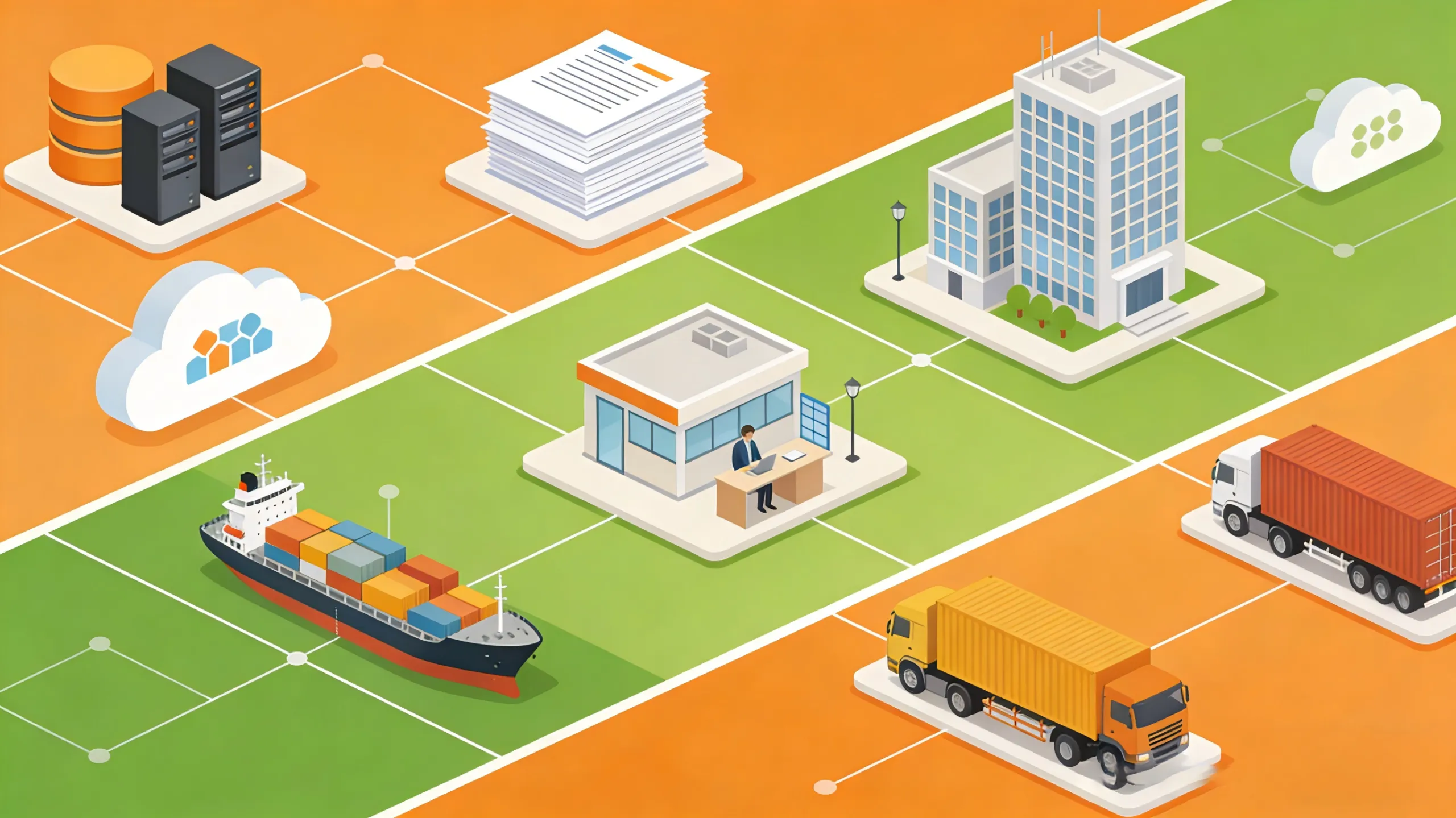
Customs data stands apart because it is built on verified, historical shipment records. Every time goods cross international borders, importers and exporters file declarations, bills of lading, cargo descriptions, HS codes, shipment dates, quantities, and origin information. These are not marketing claims. They are official transaction records that prove a company has physically imported goods. This is what makes customs data one of the most trustworthy assets for B2B overseas buyer acquisition.
1. It verifies actual buying activity, not just stated interest
A company can register on a B2B portal and say it imports your products. But only customs records prove the firm has placed real orders and received shipments. You can confirm whether the importer bought your product category in the last 6, 12, or 24 months.
This eliminates leads who only browse suppliers for price comparison, with no intent to purchase. You start prospecting from a pre-qualified pool of buyers who already import similar goods. Your outreach targets companies with proven demand, not just those who say they might buy someday.
2. It reveals actionable supply chain insights
Beyond confirming import activity, customs data unlocks details no B2B directory can provide. You can identify:
- Current suppliers and their country of origin
- Shipment frequency, order volume and seasonal buying patterns
- Product specifications and HS codes the importer regularly purchases
- Whether the buyer is consolidating orders or switching suppliers
For exporters, this intelligence lets you tailor pitches. Instead of generic “we are a manufacturer” emails, you can reference their recent shipments and highlight competitive advantages, such as better pricing, shorter lead times or improved quality. This drastically lifts engagement rates.
3. It separates genuine importers from middlemen and logistics firms
B2B platforms are flooded with freight forwarders, customs brokers, and resellers posing as buyers. These intermediaries do not control purchasing decisions, so pitching to them wastes sales time.
Customs data lets you filter records by consignee type. You can rule out logistics entities and keep only end-buyers, distributors and retailers who own the goods. This immediately cleans your lead list and helps your sales team focus on decision-makers.
4. It supports predictable lead tiering and sales resource allocation
With customs shipment metrics, you can segment prospects into clear tiers: high-volume recurring buyers, steady medium importers, and small occasional purchasers.
You can allocate your limited sales budget accordingly. Your senior sales team can focus on large, stable importers with high order potential, while junior staff nurture smaller prospects with growth potential. This data-driven approach avoids scattering effort across hundreds of low-quality leads.
5. It complements other prospecting channels
Customs data does not replace trade shows, LinkedIn outreach or B2B platforms. Instead, it validates leads you find from those channels. If you meet a contact at a trade fair, cross-check customs records to confirm their import history. If you find a company on a B2B site, verify shipment volume before sending a full proposal.
This multi-source validation reduces the risk of investing time in prospects that misrepresent their purchasing scale.
FAQ
Q: Is customs data available in every target market?
A: No. Only certain countries release bill-of-lading-level import data with company consignee names. Other governments publish aggregated trade statistics without individual importer details, so coverage varies by region.
Q: Can customs data provide direct contact emails of buyers?
A: Typically no. Customs manifests record company names and shipment details, but not email addresses or phone numbers. You still need separate research to find valid contact information for outreach.
Q: Are there compliance risks when using customs data for B2B sales?
A: Customs records are usually public trade documents, but outbound messaging must comply with local privacy and anti-spam rules like GDPR and CAN-SPAM. Avoid mass unsolicited messaging and respect opt-out requirements.
Customs data does not guarantee sales. But it removes the biggest uncertainty in B2B buyer hunting: whether a prospect is actually buying your type of product. By grounding your prospecting in real shipment evidence, you spend less time chasing fake leads and more time engaging buyers with active import demand.