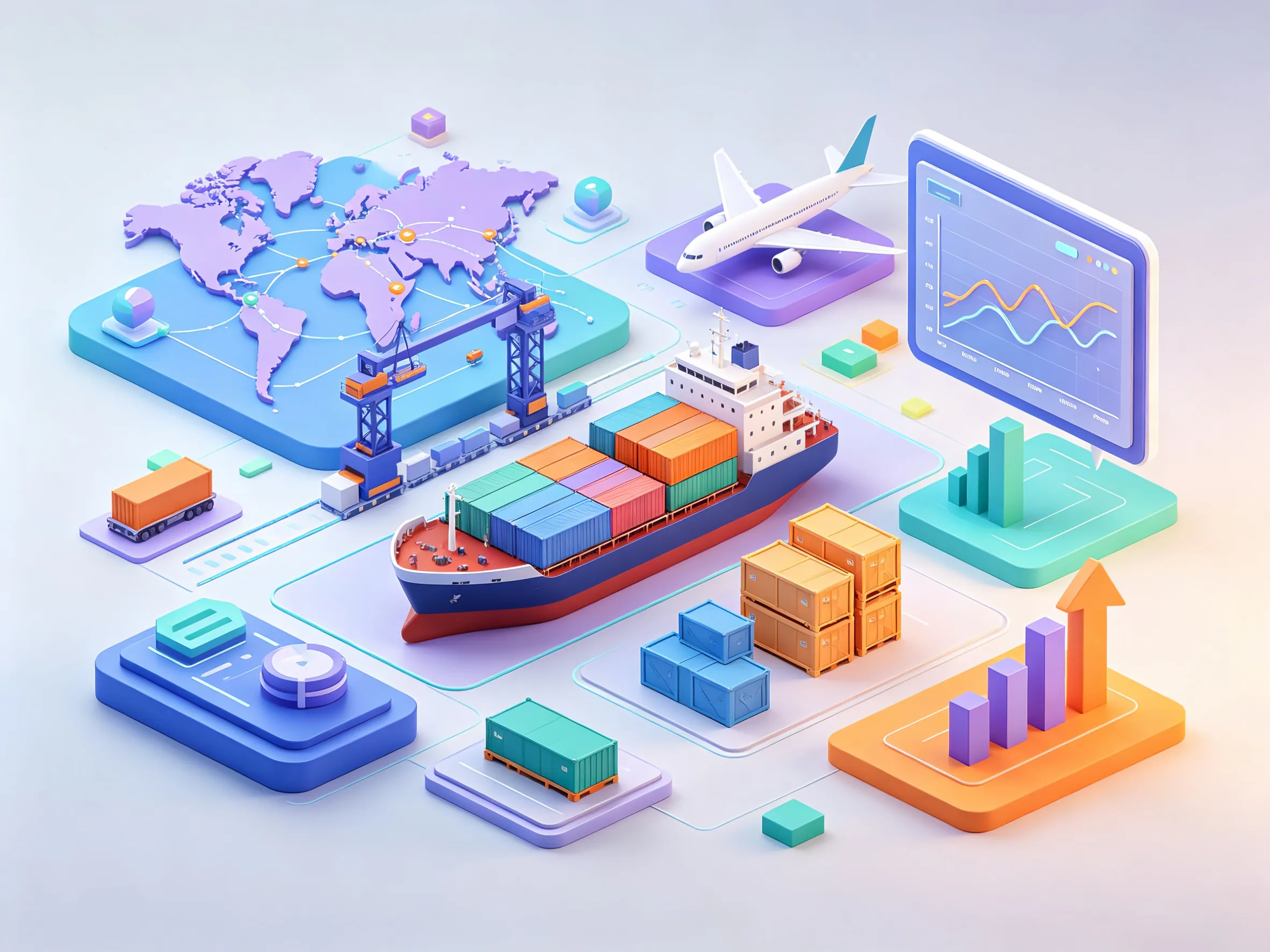
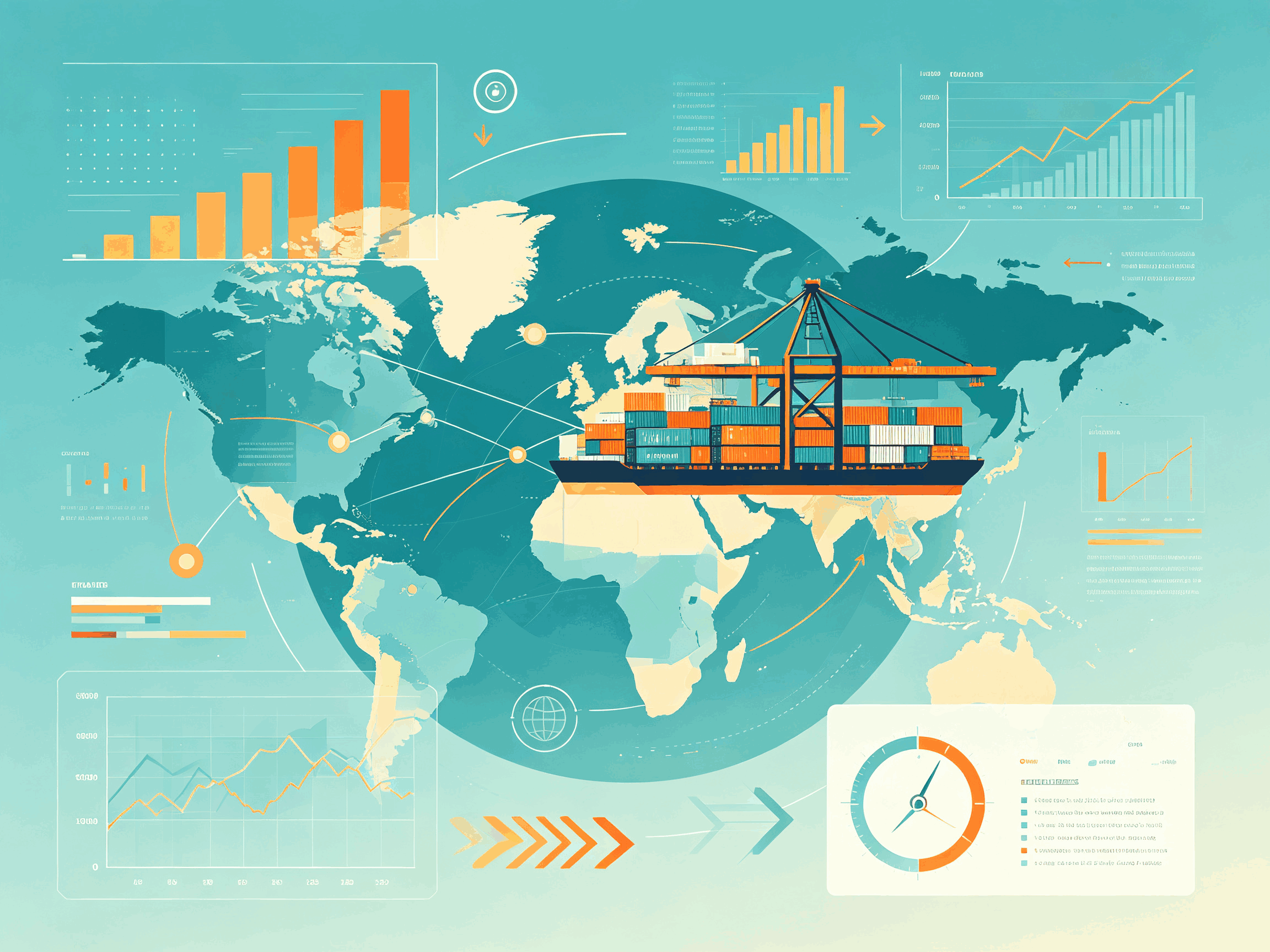
Every B2B trader knows that cold emailing generic company lists rarely delivers reliable results. Trade show leads dry up quickly, directory databases are outdated, and LinkedIn outreach often targets contacts with no active purchasing budget. A global trade data and customs intelligence platform solves this gap by turning verified shipment records, bill of lading filings, customs declarations and HS code statistics into actionable sales, procurement and supply chain insights.
Unlike ordinary business directories that only list company names, customs intelligence shows real buying behaviour. It reveals who is actively importing your product, which suppliers your competitors use, shipment frequencies, average order volumes, loading and discharge ports, and long-term demand trends. For exporters, procurement managers and supply chain analysts, this is the difference between guessing market demand and making decisions backed by official cross-border transaction evidence.
What Is a Global Trade Data & Customs Intelligence Platform?
A global trade data and customs intelligence platform is a cloud-based system that aggregates, cleans, standardises and indexes public customs manifests and bill of lading records from multiple countries. Data sources include government customs filings, shipping manifests, carrier documents and import/export declarations, then normalised into a searchable database with filtering, analytics and export functions.
Core raw data fields usually include HS code, product description, shipper (exporter), consignee (importer), notify party, shipment date, port of loading, port of discharge, country of origin, destination country, weight, quantity and bill of lading reference. Advanced platforms enrich this base data with company profiles, contact details, compliance screening and trend dashboards to reduce manual research work.
It is important to clarify that customs data availability varies by jurisdiction. Some countries publish detailed shipment-level manifests, while others only release aggregated statistical trade figures without individual company names. This coverage difference is one of the top factors to compare when selecting a platform for your target markets.
Key Features of a Reliable Customs Intelligence Platform
High-performance trade intelligence tools share these practical features built for daily B2B workflows:
- HS Code & Product Search: Search by HS code, product keywords or commodity descriptions to pull all relevant import and export records. This is the primary way exporters find active buyers and buyers source alternative manufacturers.
- Bill of Lading Lookup: Inspect full BOL records to uncover hidden supply chain relationships, identify freight forwarder masking, and separate real importers from logistics agents listed as consignees.
- Competitor Tracking: Monitor your competitor’s shipment volumes, destination markets, supplier changes and order frequency to benchmark your outreach strategy.
- Buyer & Supplier Verification: Review shipment history to judge whether a prospect is a steady, high-volume buyer or an occasional small purchaser before sending outreach messages.
- Market Trend Analytics: Track monthly import volumes, price bands and demand shifts to prioritise fast-growing markets and avoid declining regions.
- Compliance & Risk Screening: Cross-check trade partners against sanctions and restricted party lists to mitigate supply chain and legal risks for importers and distributors.
- Custom Filtering & Alerting: Set saved filters for your target product and country, and receive automatic alerts when new shipment records appear.
Practical Use Cases for B2B Global Traders
1. Discover Verified Active Overseas Buyers
This remains the most popular use case for exporters. Instead of contacting thousands of companies that may never buy your product, you target importers with recent, repeated import records matching your HS code. These prospects have proven demand, so outreach response rates are consistently higher than generic cold prospecting.
2. Find Alternative & Reliable Suppliers
Procurement teams use customs data to map the supplier network of existing importers. You can identify manufacturers that already supply businesses in your target market, compare their shipment scale and consistency, and diversify your vendor base to reduce reliance on a single factory.
3. Conduct Competitive Supply Chain Research
You can legally track which factories your competitors work with, which ports they use, and how much volume they ship to each market. This intelligence helps you adjust pricing, target underserved buyer accounts and spot when competitors switch suppliers or expand into new territories.
4. Validate Market Entry Decisions
Before investing in a new market, analyse aggregated customs trade flows. Check total import volume, seasonal patterns, major importing companies and average shipment size. This replaces anecdotal market rumours with quantifiable evidence for your market entry plan.
5. Reduce Supply Chain Risk
Continuous shipment monitoring helps you spot sudden drops in a supplier’s export volume, unexpected destination shifts or new third-party intermediaries. Combined with compliance screening, this creates an early warning system for unstable vendors and high-risk trade partnersWorld Cust….
How to Choose the Right Global Trade Data Platform
Not all customs data platforms deliver equal value. Use these criteria to evaluate options:
- Geographic coverage: Confirm it includes your core target import countries and understand whether data is transaction-level manifest data or only aggregated statistics.
- Data freshness: Check update frequency. Weekly or monthly refreshes are ideal for sales prospecting; quarterly updates are less useful for fast outreach.
- Data accuracy and deduplication: Poorly cleaned databases duplicate shipments or mislabel HS codes, wasting your research time.
- Enrichment quality: See whether the platform adds verified business contacts, company hierarchy and decision-maker data beyond raw customs text.
- User workflow: Look for saved searches, scheduled alerts, bulk export and team collaboration functions if multiple sales or procurement staff will use it.
- Transparent pricing: Avoid platforms that lock critical country datasets behind expensive add-on tiers.
Common Limitations You Need to Understand
Customs intelligence is powerful, but it has clear boundaries. First, not every country releases shipment-level bill of lading data. Second, freight forwarders often appear as consignees, hiding the final buyer — skilled filtering and notify-party analysis are required to uncover the real company. Third, customs records usually do not include exact unit pricing in most regions. Finally, customs data shows historical shipment activity; it cannot guarantee a buyer is ready to switch suppliers immediately. It is a prospecting signal, not a closed-sale guarantee.
FAQs
Q: Is customs trade data legal to use for B2B sales outreach?
A: Yes, where the source records are public government filings. Responsible users still need to follow local anti-spam, data privacy and email outreach rules for each target country when contacting prospects.
Q: What is the difference between customs data and bill of lading data?
A: Customs data generally refers to official import/export declaration statistics. Bill of lading data is shipping manifest information filed by carriers, often containing granular shipper, consignee and transport details. Most modern platforms combine both datasets.
Q: Can customs data replace trade shows and LinkedIn prospecting?
A: No. It works best as a complementary channel. Customs intelligence identifies high-intent prospects; LinkedIn and trade shows help build trust and engage those verified buyers.
Q: Will every import record show the real end buyer?
A: Not always. Freight forwarders and logistics firms frequently appear as consignees. Experienced users rely on notify-party fields, shipment patterns and company enrichment to identify the ultimate importer.
Final Thoughts
For modern B2B global trade, information advantage directly translates into sales and procurement advantage. A well-chosen global trade data and customs intelligence platform cuts wasted prospecting hours, surfaces verified buyers and suppliers, reveals competitor supply chains and de-risks cross-border decisions.
The best traders do not rely only on guesswork or outdated directories. They use customs and bill of lading intelligence to focus time on companies that are already buying products like theirs. When paired with thoughtful outreach and multi-channel nurturing, this data becomes one of the highest ROI tools for export sales and global procurement teams.