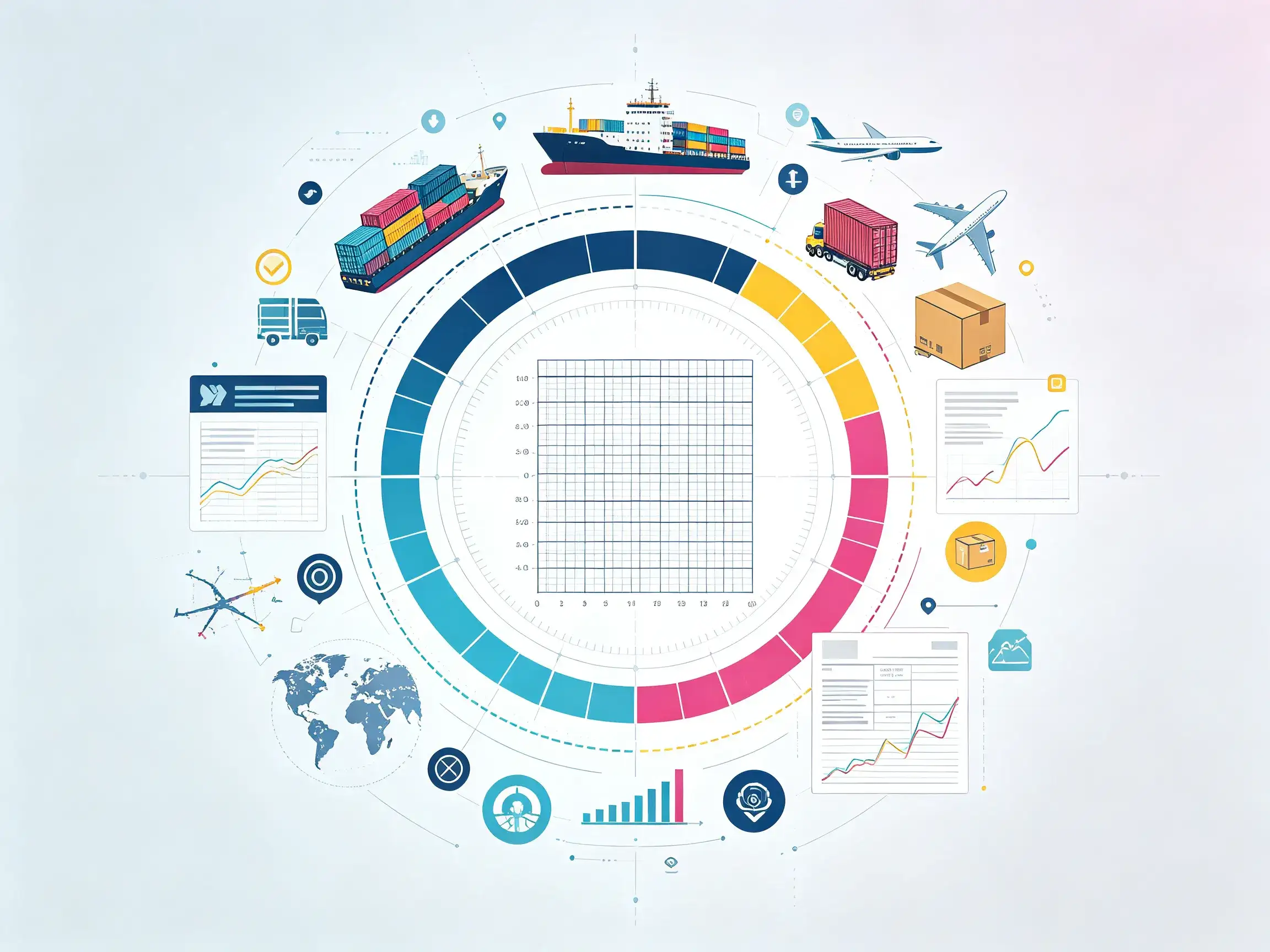
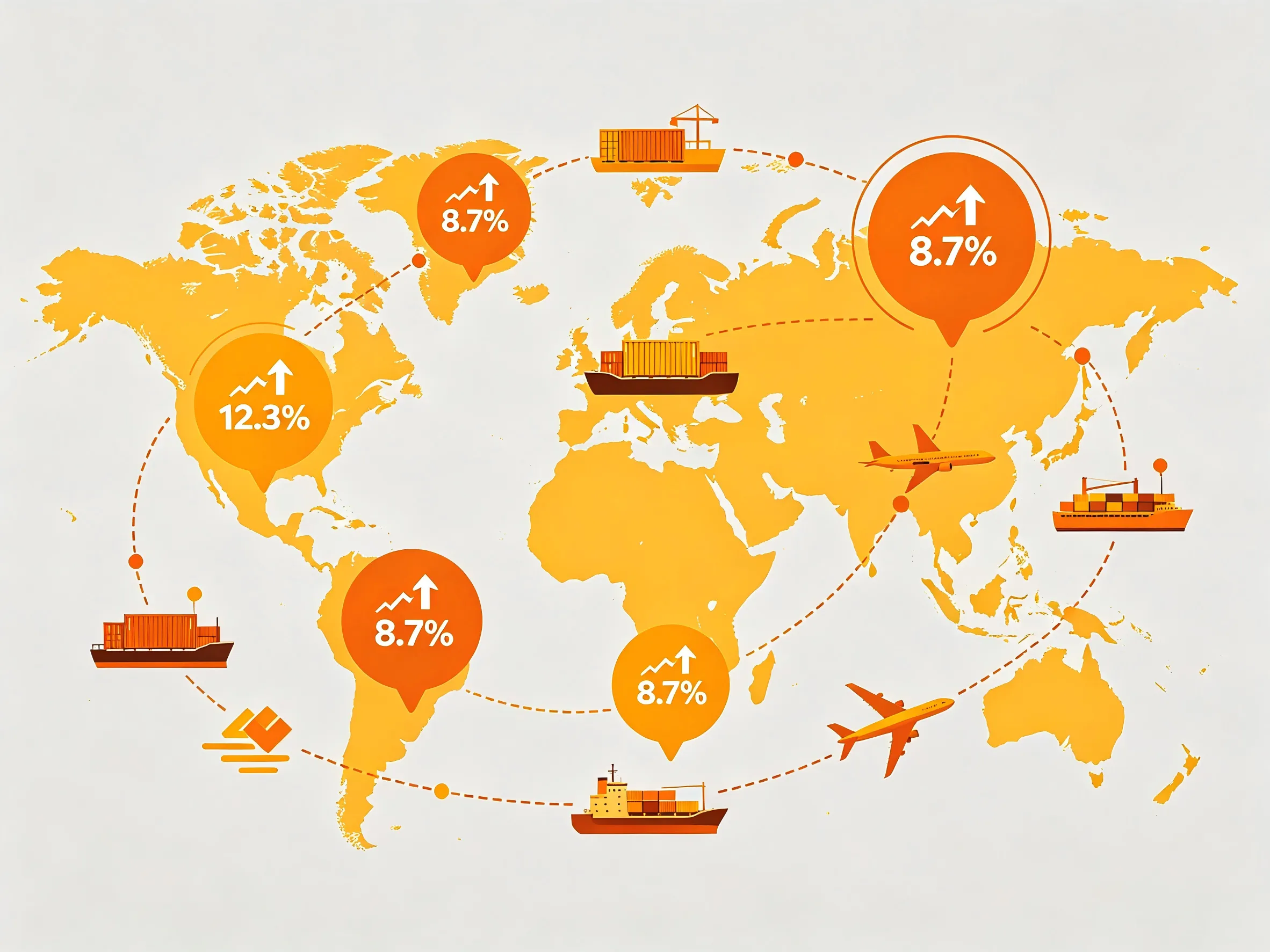
Global B2B sales and market strategy often rely on forecasts, industry reports, and prospect guesswork. These resources are helpful, yet they are usually backward-looking, sample-based, and full of estimates. Customs data stands apart because it captures verified, transaction-level records of goods crossing international borders. For exporters, importers, trade strategists and sourcing teams, it is one of the most reliable sources to map real market demand, track competitor moves, and uncover high-intent buyers that traditional outreach misses.
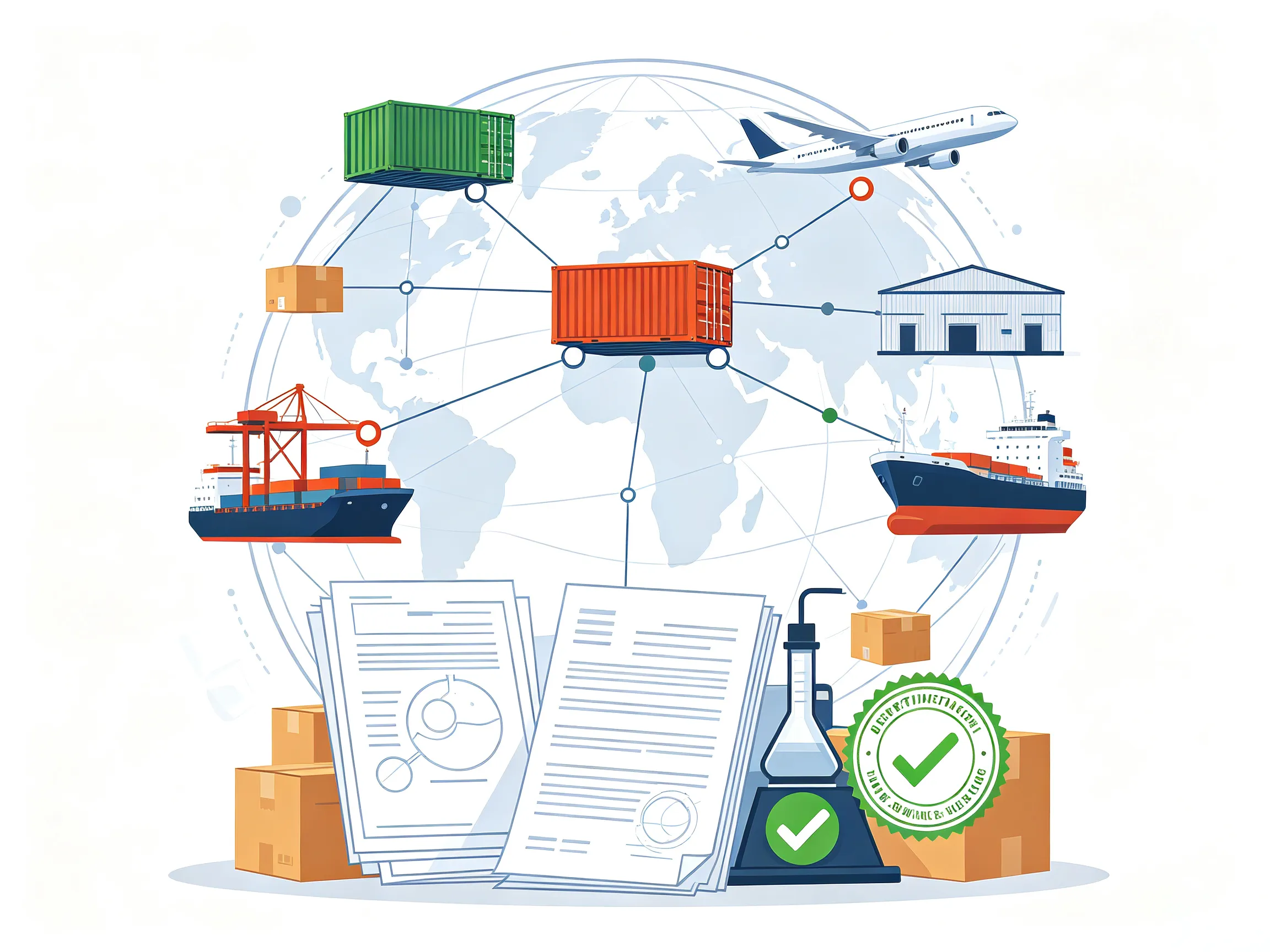
What Is Customs Data?
Customs data, often paired with bill-of-lading records, is compiled from official import and export declarations filed with border authorities. A typical shipment record contains HS code, product description, quantity, declared value, shipper, consignee, port, shipment date, country of origin and destination.
Not all countries release the same level of detail. Markets such as the United States, India, Vietnam, Brazil and Mexico publish company-level shipment manifests. Others, including the EU, China, Japan and South Korea, do not expose individual importer and exporter names directly, so analysts use mirror trade statistics and cross-border matching to fill visibility gaps.
There are two broad categories: aggregated trade statistics and granular shipment-level data. Aggregated data shows total import volumes and market growth rates for a product. Shipment-level data reveals exactly which companies are buying, how often they order, and which suppliers they currently work with. This granular layer is what powers competitor intelligence and targeted buyer hunting.
Why Customs Data Beats Traditional Market Research
Standard market research tells you what might happen. Customs data shows what already happened. This is the core difference.
Industry surveys and reports depend on self-reported feedback and limited sampling. They can overestimate demand or miss fast-changing supply chain shifts. Customs records are built on actual cleared shipments. You can see real purchasing frequency, unit value trends, seasonal ordering patterns, and supplier rotation.
It also solves a common B2B pain point: separating passive leads from active buyers. A LinkedIn connection or a directory listing only tells you a company exists. Customs evidence proves they have recently imported your product category, which means they have an active, validated demand.
Practical Use Cases for Customs Data
1. Market Sizing and Opportunity Mapping
Before entering a new country, you can filter by HS code to calculate total import volume, growing ports, seasonal peaks, and major sourcing origins. Instead of betting on a popular region, you identify underserved niches where existing suppliers have small market share or inconsistent shipment frequency. This helps you allocate sales and logistics budget efficiently.
2. Competitor Intelligence
Input a competitor’s exporter name and pull their shipment history. You can track which buyers they serve, shipment size, pricing range, preferred ports, and whether they are expanding into new markets or losing customers.
Many teams use this insight strategically: if a competitor has long supplied a buyer but recently reduced shipment frequency, that buyer may be open to new suppliers. You can also spot when competitors start offering new product lines or shift production to a new factory location. Important note: customs data is for business analysis and ethical outreach only; it should not be used for price collusion or unfair business tactics.
3. Active Buyer Discovery
This remains the most popular use case. Filter shipments by your HS code and target country, then rank importers by total import volume and shipment frequency. High-volume, regular importers are your top prospects. You know exactly what they buy, how much, and who their current supplier is, so your outreach message can be highly specific rather than generic.
4. Supply Chain Risk and Supplier Verification
Buyers can use customs records to audit existing suppliers. Check if their claimed export volume matches their actual shipment history, spot repeated delays at ports, or identify whether they subcontract production to third-party factories. It also helps diversify sourcing when geopolitical risks or tariff changes disrupt existing trade lanes.
Key Limitations You Need to Know
Customs data is powerful, but it is not perfect. First, data availability varies widely by jurisdiction. Some records hide shipper names or redact commercial details. Second, declared value is not always the final negotiated selling price; it is the value declared for customs clearance. Third, raw customs records contain messy, inconsistent product descriptions that require cleaning and normalization before analysis.
Timing lag is another constraint. Bill-of-lading data usually becomes available within weeks after clearance, faster than annual trade statistics, but it is not live real-time. You should combine customs intelligence with LinkedIn research, company websites and direct outreach to build full buyer profiles.
Best Practices to Turn Data Into Revenue
Start with a clear objective before running searches. Do you want to size a market, monitor one competitor, or build a prospect list? Your filters will change accordingly. Always anchor searches on the correct 6-digit HS code, and add product keywords to reduce irrelevant results.
Segment prospects intelligently. Separate large stable importers, small frequent buyers, and one-time trial buyers, then tailor your offer and pricing. Track the same set of buyers monthly to spot changes in sourcing behaviour. Finally, cross-check customs insights against compliance watchlists to avoid high-risk partners.
FAQ
Q: Is customs data legal to use for B2B outreach?
A: Most public shipment records are released by government authorities or carrier filings for trade transparency. As long as you follow local anti-spam rules and use data for legitimate business communication, it is acceptable. Avoid deceptive outreach.
Q: Can I see every competitor’s shipments worldwide?
A: No. Only countries with open customs disclosure publish company-level manifests. Closed markets require alternative intelligence approaches.
Q: Do I need an expensive platform to access customs data?
A: Free government portals offer aggregated trade stats. For shipment-level buyer and competitor tracking, most trade teams rely on commercial trade intelligence platforms that clean, standardize and index bill-of-lading records.
Final Thoughts
Customs data turns invisible global trade flows into visible, actionable intelligence. It removes much of the guesswork from B2B market entry, competitor monitoring and lead generation. When used carefully and paired with other sales research tools, it helps you focus on buyers with proven demand, anticipate competitor moves, and make export decisions rooted in real transaction evidence rather than assumptions.