If your B2B outreach still relies on bought contact lists, trade fair badge scans, or blind LinkedIn scraping, you are betting on guesswork. Most leads you reach have no active buying intent, no established import workflows, and no immediate need for your product. This is why conversion rates for generic cold outreach often sit below 1% for global exporters. Bill of lading (B/L) data changes the game. It is not another lead database. It is transactional proof of active purchasing, making it one of the most powerful intent signals for B2B cross-border prospecting.
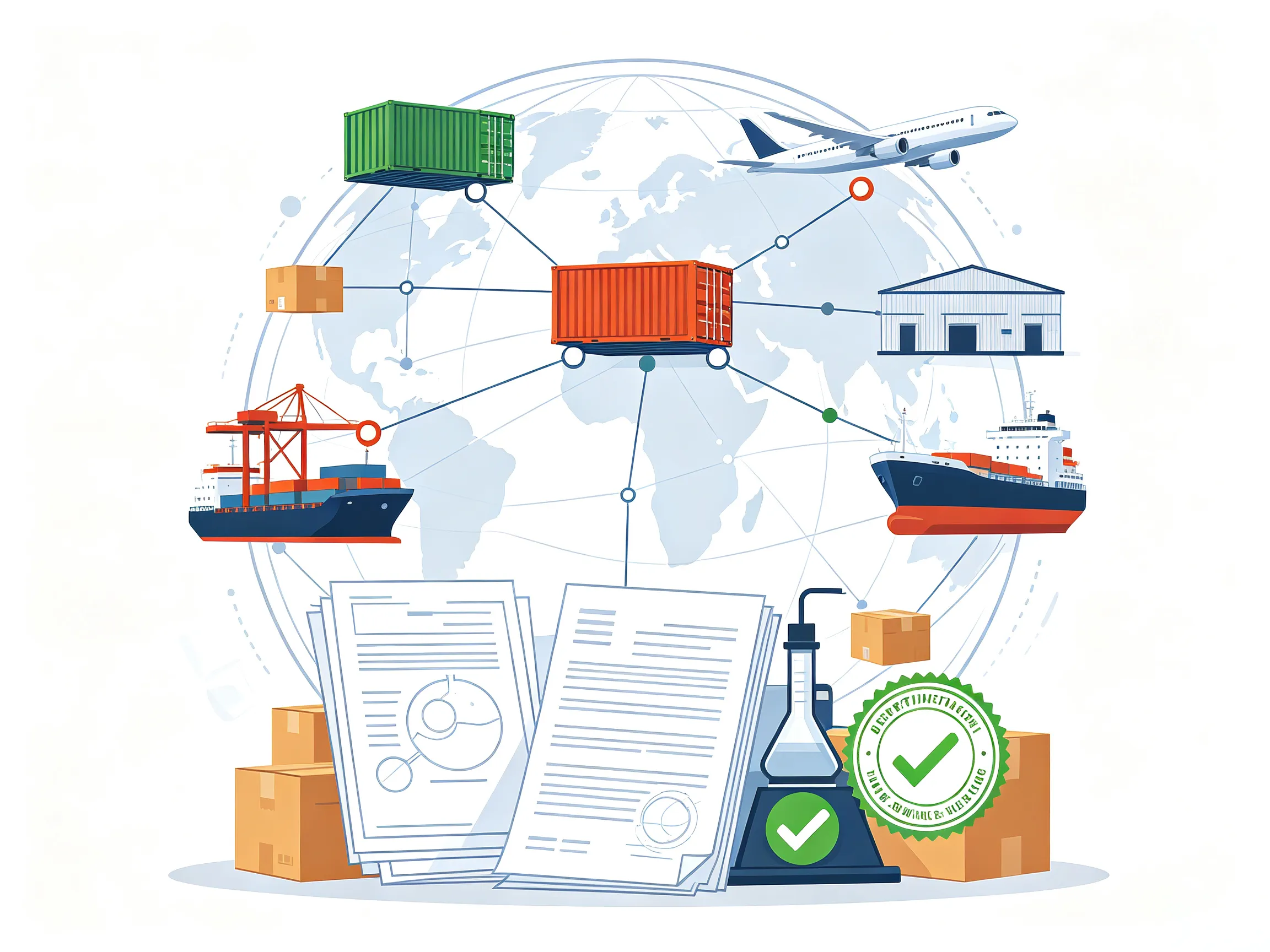
A bill of lading is the legal shipping document issued by a carrier for cargo crossing international borders. When aggregated and structured, B/L datasets reveal the full shipment footprint: consignee (importer), shipper, HS code, product description, shipment date, volume, port pairs, and import frequency. Unlike self-reported company directories, these records come from real, completed cargo movements. A company that appears repeatedly in B/L records for your HS code is not a “potential buyer” — it is already buying your category. This single distinction is why data-driven exporters prioritise B/L intelligence over traditional lead sources.
What Makes Bill of Lading Data Outperform Regular B2B Lead Sources
Traditional prospecting tools tell you what a company says it does. Bill of lading data shows you what a company actually buys. Here are the core advantages:
- Verified purchase intent Every record confirms the company has imported similar goods recently. They already have import permits, logistics budgets, and internal approval processes in place. This eliminates the largest waste in outbound sales: chasing firms that only resell, distribute unrelated goods, or have no authority to import.
- Competitor customer mapping You can search by your competitor’s shipper name and pull a list of all their consignees. These buyers are already familiar with your product category, quality standards, and pricing bracket. They represent warm targets for secondary sourcing, supply diversification, or replacing underperforming suppliers.
- Buyer behaviour segmentation You can filter leads by shipment frequency, monthly volume, country of origin, and port activity. A buyer importing once every two months is a steady repeat customer. A buyer switching suppliers every 3–4 shipments is open to testing new vendors. A buyer with a recent import gap may be experiencing supply delays or ending an existing contract.
- Market trend visibility Aggregated B/L records show rising or falling import volumes by HS code and destination country. You can spot fast-growing markets before competitors flood them, and avoid saturated lanes with shrinking demand.
Notably, B/L availability varies by jurisdiction. The US, Mexico, Brazil, and several Latin American markets publish detailed manifest records. Most EU countries do not release named consignee B/L data, so sellers targeting Europe combine trade statistics with company registry and LinkedIn enrichment for those regions.
A Practical 5-Step B/L Prospecting Workflow
Raw B/L records are messy. The best results come from a repeatable, filtered workflow that feeds qualified accounts directly into your CRM:
- Lock down your precise HS code Start with the correct 6-digit HS code for your core product, and exclude variants you do not manufacture. Broad product keywords return noisy, irrelevant records.
- Set time and geographic filters Focus on shipments from the last 6–12 months in your priority target countries. Older records flag buyers who may no longer import.
- Score and rank importers Prioritise accounts by import frequency and shipment size. Flag buyers currently sourcing from your direct competitors as high-priority accounts.
- Enrich the company record Add company website, LinkedIn page, and procurement/import manager contacts. A company name alone is not a lead; a named decision-maker with shipment context is.
- Write context-aware outreach Reference their recent shipment, current supplier, or volume pattern in your opening line. This beats generic “we are a manufacturer” templates and drastically lifts reply rates.
Common Pitfalls to Avoid
Many exporters try B/L data and get poor results because of avoidable mistakes. First, confusing freight forwarders with end buyers. Some listed shippers or consignees are logistics agents, not the actual buying company. Always cross-check the company website and business scope before outreach. Second, treating B/L lists as broadcast email lists. Even high-intent records fail when sent in bulk without customisation. The intelligence is the hook; personalised messaging is what secures meetings. Third, expecting full pricing data. B/L manifests usually do not include unit prices. You can infer volume and sourcing patterns, but you still need to validate commercial terms during conversations. Fourth, ignoring data compliance. Do not assume all markets allow unrestricted use of manifest data for outreach. Align your contact campaigns with local anti-spam and data privacy rules.
How B/L Prospecting Fits Into Your Wider B2B Strategy
Bill of lading data works best paired with ABM and LinkedIn research. Once you identify a high-value importer from B/L records, you can map its supply chain, check its LinkedIn hiring signals for procurement roles, and build an account plan around its known sourcing rhythm. This layered approach moves you from random outreach to targeted account hunting.
For teams measuring ROI, the benchmark is clear: exporters using shipment intelligence consistently report faster lead qualification and higher conversion rates than teams relying only on marketplaces and trade shows. The value is not in having more leads; it is in spending your sales time only on buyers actively writing purchase orders for your product category.
FAQ
Q: Is bill of lading data the same as customs data?
A: They overlap but are not identical. B/L data comes from carrier manifests and focuses on shipment-level logistics and consignee details. Customs data includes formal declaration information such as declared value and tariff classification. Many trade intelligence platforms merge both datasets.
Q: Can I use B/L data to find buyers in Europe?
A: Named consignee B/L records are generally not publicly available across the EU. For European markets, use aggregated trade flow statistics, company registries, and LinkedIn contact enrichment as alternatives.
Q: Does every B/L record show the real end buyer?
A: No. Some consignees are freight forwarders, buying agents, or “to order” negotiable bills. Always verify the company’s business type before outreach.
Q: Do I need a paid platform to access B/L records?
A: Raw public manifests exist for some markets, but manual extraction and deduplication are extremely labour-intensive. Most B2B exporters use commercial trade intelligence platforms that clean, standardise, and index records for fast filtering.