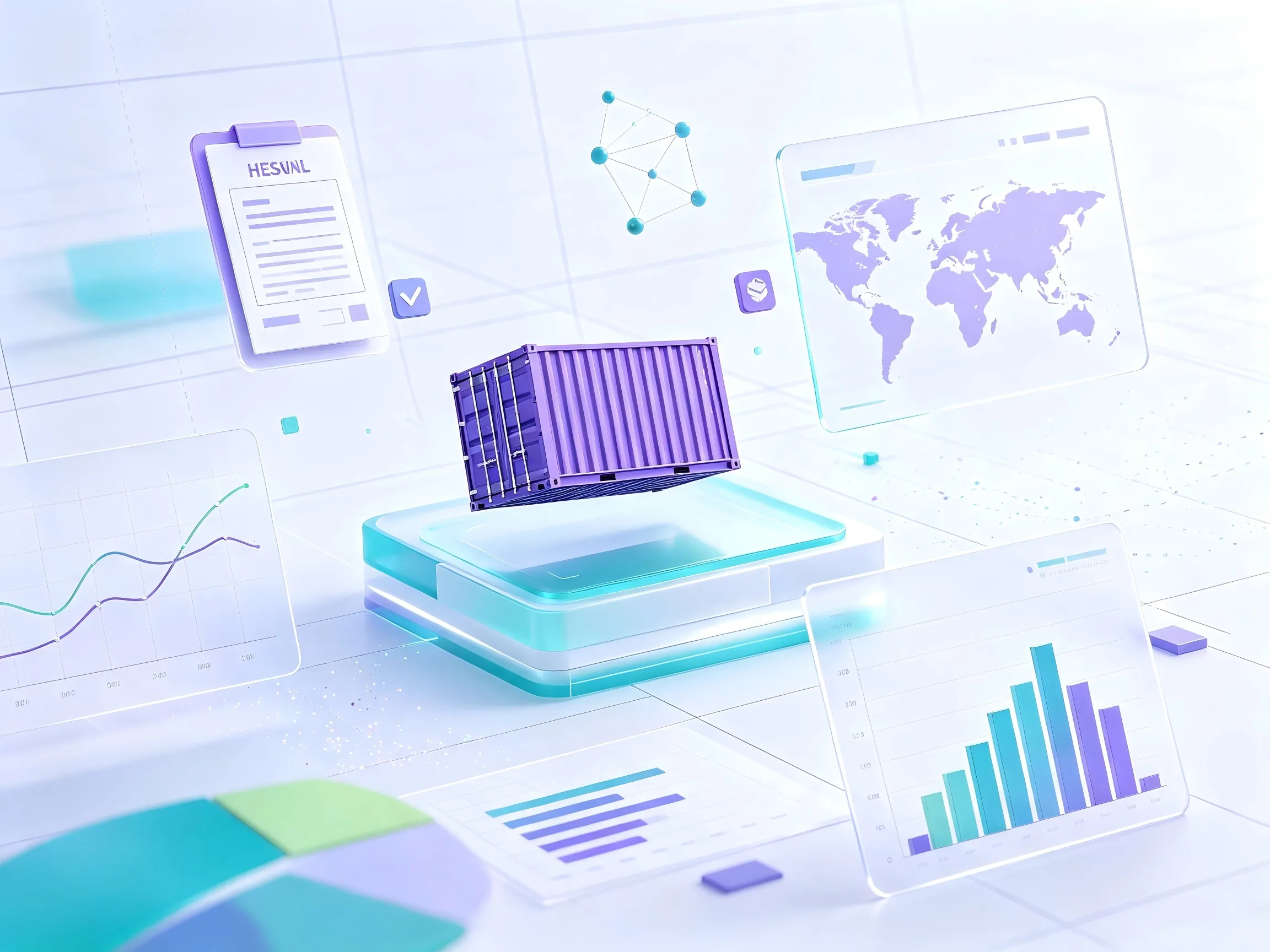
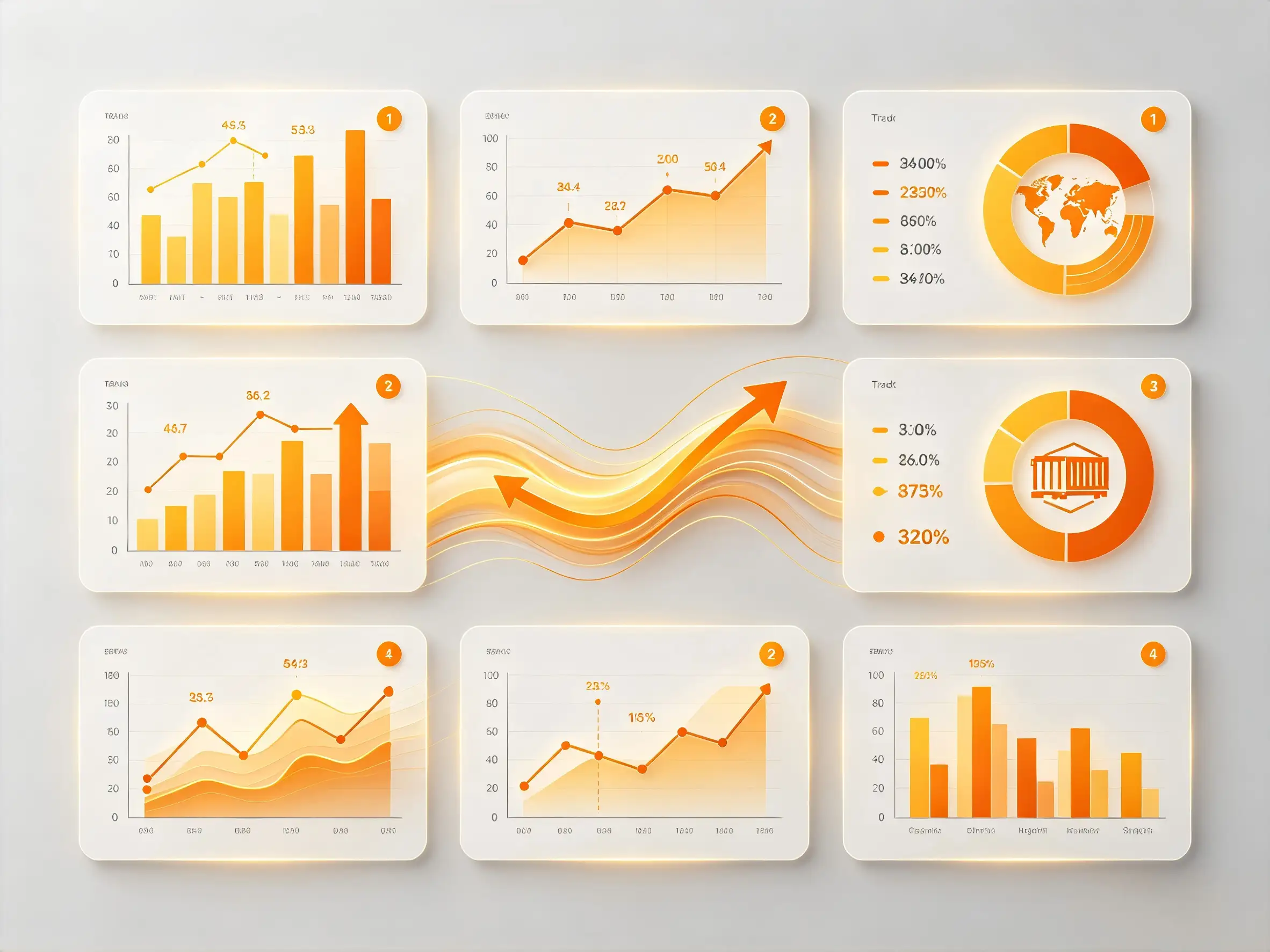
Bill of lading (BL) data is one of the most reliable trade intelligence sources for B2B exporters. Unlike social media leads or generic directory contacts, BL records prove that a company is actively importing your product, has existing supply chains, and is ready to place orders. When used correctly, it cuts down cold outreach waste and helps you target verified, high-intent overseas buyers. This guide walks you through a repeatable workflow, with practical tips and common pitfalls to avoid.
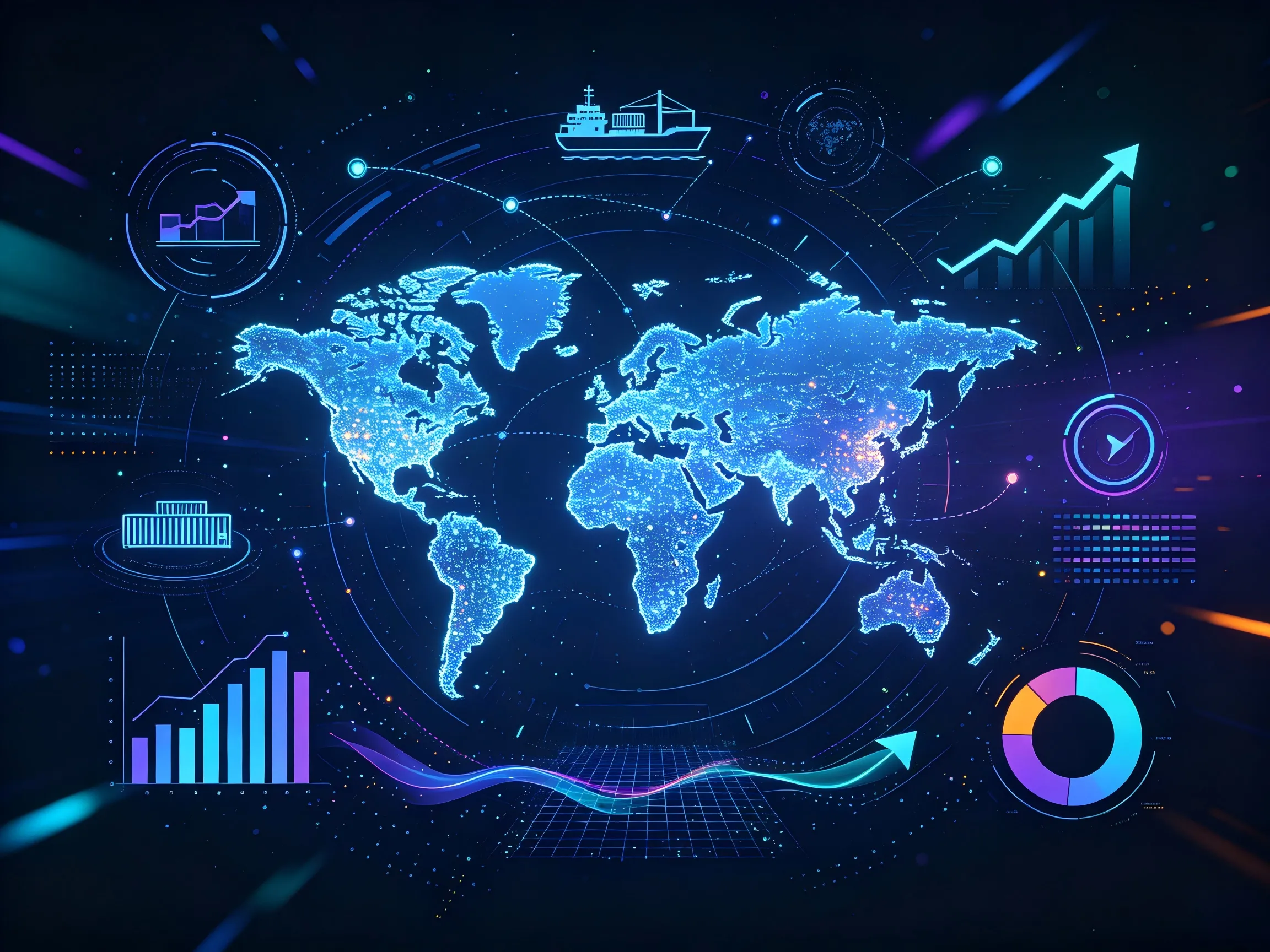
What Is Bill of Lading Data, and What Can It Tell You?
A bill of lading is a legal shipping document issued by carriers when goods are loaded onto a vessel. Public BL datasets typically include:
- Importer (overseas buyer) full name and address
- Exporter (supplier) name, origin country
- Product description, HS code, quantity, weight
- Port of loading, port of discharge, shipment date
- Carrier name, vessel and voyage information
Not all BL data is equal. Some countries do not release full import BL records. For example, the US publishes detailed bills of lading, while many EU nations only release aggregated customs statistics without revealing individual importer names. Before you start, confirm data coverage for your target markets to avoid wasted effort.
Step 1: Define Your Target Profile and Search Filters
Start with clear criteria to avoid being overwhelmed by thousands of irrelevant records. Set your core filters first.
- HS Code: Use the 6-digit global HS code as the base. If your product has longer national extensions, add those for tighter filtering. Avoid broad chapter-level searches, which pull in unrelated goods.
- Target countries: Pick importing countries matching your market strategy.
- Time window: Prioritize shipments from the last 3–12 months. Buyers with recent shipments are active. Records older than 18 months may belong to one-off orders or discontinued suppliers.
- Shipment volume range: Filter based on your MOQ and production capacity. Small importers may fit small-batch suppliers; large consignees usually prefer stable, high-volume factories.
- Competitor filter: Add your existing competitors’ exporter names to find buyers who are already buying similar products from them. This is the highest-value segment.
Write down your filter logic and save it. You can reuse it weekly to capture newly arrived shipment records.
Step 2: Source Valid BL Data from Reliable Platforms
There are two main ways to access BL data: commercial trade intelligence platforms and local customs or carrier public portals. Free public sources are limited, incomplete, and slow to update. Paid tools clean, standardize, and index records, which saves hours of manual sorting.
Key features to check when selecting a BL tool:
- Real-time or weekly data refresh
- Accurate HS matching and product normalization
- Importer contact enrichment (phone, email, website, LinkedIn)
- Duplicate removal for the same buyer
- Exportable CSV lists for CRM import
Important reminder: BL data only provides the company name and shipping address in most cases. Direct contact details are not always included. You will need a separate enrichment step to find decision-makers.
Step 3: Clean, Deduplicate and Score Your Buyer List
Raw BL exports are messy. The same buyer can appear under slightly different spellings, branch names or warehouse addresses. Skip this step, and you will message the same company multiple times.
Do these cleaning tasks:
- Merge duplicate entries by company legal name.
- Remove freight forwarders, distributors, and third-party logistics firms that appear as consignees but are not the actual end buyer.
- Score each buyer to prioritize outreach:
- High priority: Shipment in the last 3 months, consistent monthly orders, buying directly from your competitor, order size matching your capacity
- Medium priority: One shipment in the past 6–12 months, moderate order quantity
- Low priority: One-time old shipment, tiny volume, freight forwarder listed as consignee
Add the scored list to your CRM with tags: “BL lead – competitor buyer”, “BL lead – active importer”, “BL lead – low volume”.
Step 4: Research the Buyer and Identify Decision-Makers
Never send a template email immediately after extracting a BL record. BL tells you what they bought; research tells you why and who to talk to.
Check the buyer’s official website, LinkedIn company page and social profiles. Look for:
- Whether they are a retailer, wholesaler, distributor or manufacturer
- Their product range and brand positioning
- Existing supplier countries
- Key contacts: purchasing manager, procurement director, supply chain manager, business owner
Avoid contacting generic info@ emails. Find the procurement person’s direct email or LinkedIn profile. Your outreach will have a far higher reply rate when you mention their recent shipment specifically.
Step 5: Run Personalized Outreach and Reference the BL Insight
This is where most exporters fail. Do not write a generic “we are a factory selling this product” message. Use the shipment detail as proof you understand their business.
A simple outreach angle example:
“I noticed your company imported [product name] from [competitor country] arriving at [port] on [date]. We supply the same item with [your differentiator: shorter lead time, better price, custom packaging, certification]. I would like to share our specs and see if you are open to a backup or alternative supplier.”
This approach is not intrusive. It proves you did your homework and explains clearly why you contacted them. Keep the first message short, attach only one product spec sheet, and avoid heavy attachments. Track opens, replies and follow-ups inside your CRM.
Step 6: Track Shipment Trends and Nurture Long-Term Buyers
BL data is not a one-time lead grab tool. Revisit your saved search every week. Watch for behavioral signals:
- Increasing shipment frequency: The buyer’s demand is growing
- Sudden pause in shipments: Their current supplier may have delivery or quality issues
- Switching between suppliers: They are actively testing alternatives
Add these trend alerts to your follow-up sequence. A buyer who just stopped shipments from your competitor is the perfect timing to reach out.
Common Risks and Compliance Rules
BL data usage has boundaries you must respect:
- Do not misuse data for spam. Follow anti-spam laws such as CAN-SPAM in the US and GDPR for European contacts. Honor unsubscribe requests.
- Distinguish consignee from ultimate buyer. Freight forwarders often show up as consignees; selling to them rarely works.
- Some regions restrict commercial resale or misuse of customs shipping records. Read your data platform’s user agreement carefully.
- BL records do not guarantee the buyer will buy from you. It only confirms import activity. Price, certification, MOQ and payment terms still decide the deal.
FAQ
Q: Can I get bill of lading data for all countries?
A: No. Data availability depends on local customs disclosure rules. The US has the most open BL records. Many countries hide individual importer identities and only publish aggregated trade statistics.
Q: How fresh should BL data be?
A: Shipments within 3–12 months are ideal. Buyers with shipments older than 18 months are much less likely to have active demand.
Q: Is BL data better than LinkedIn or Alibaba leads?
A: They serve different purposes. BL proves verified import behavior. LinkedIn and Alibaba help you build contact channels. The best strategy combines BL buyer identification with LinkedIn and email outreach.
Q: How do I avoid contacting freight forwarders instead of real buyers?
A: Check the company website. If their service focuses on shipping, warehousing and customs clearance, mark them as logistics providers and exclude them from your buyer outreach list.
Final Takeaway
Bill of lading data gives you a direct view of real, active import demand. The process is not just downloading a list: it requires targeted filtering, careful cleaning, decision-maker research and thoughtful, evidence-based outreach. When you focus on buyers who already import your product and compete with your rivals, your conversion rate will outperform mass cold email campaigns. Treat BL intelligence as an ongoing monitoring system, not a one-off lead list, and you will build a steady pipeline of qualified overseas buyers.