B2B exporting has long operated in a reactive mode. Exporters study past shipment records, respond to buyer inquiries, and adjust strategy after market shifts already take place. In today’s volatile global landscape, delayed insights can mean missed opportunities, locked-out buyers, and costly supply chain disruptions.
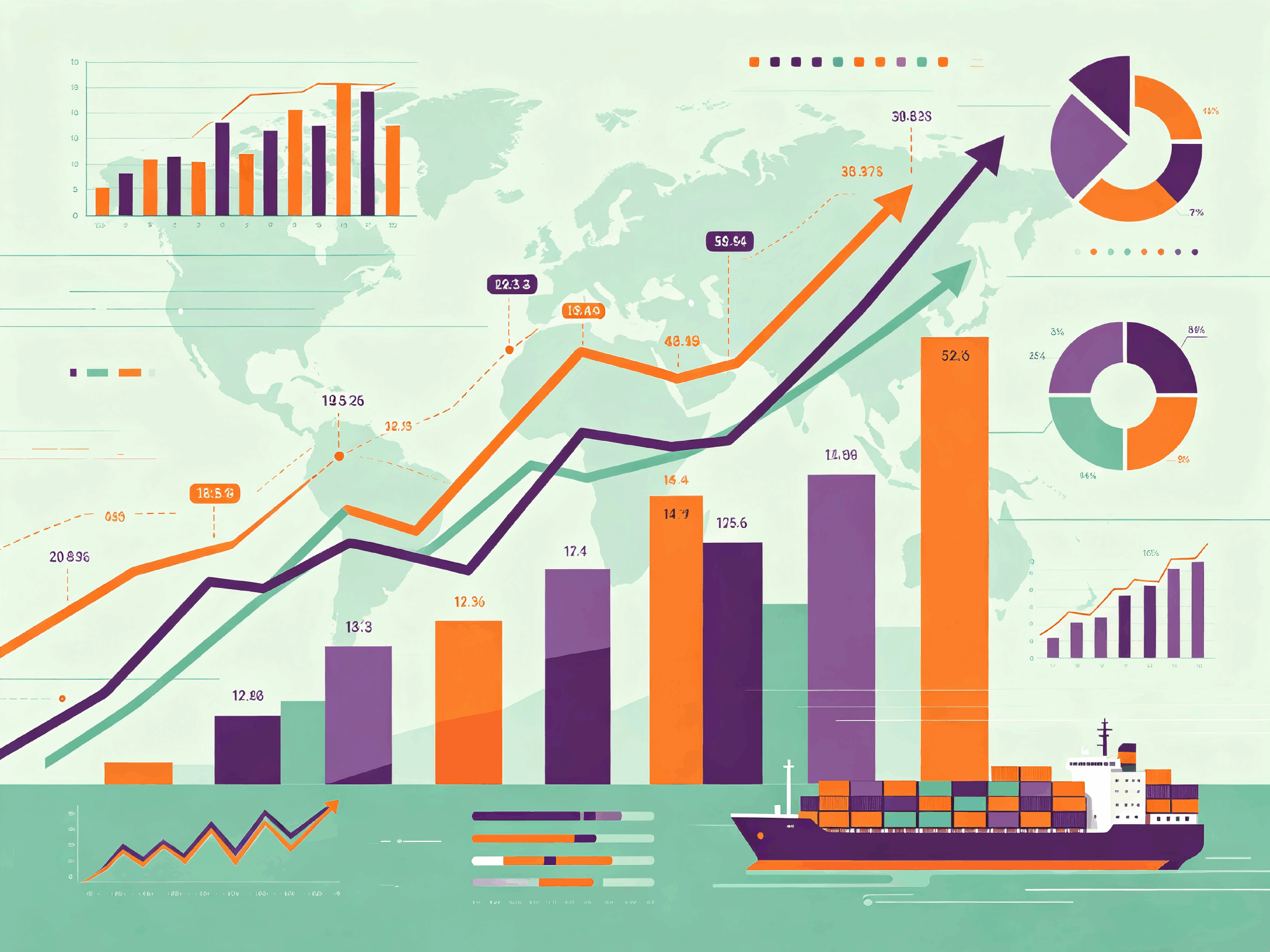
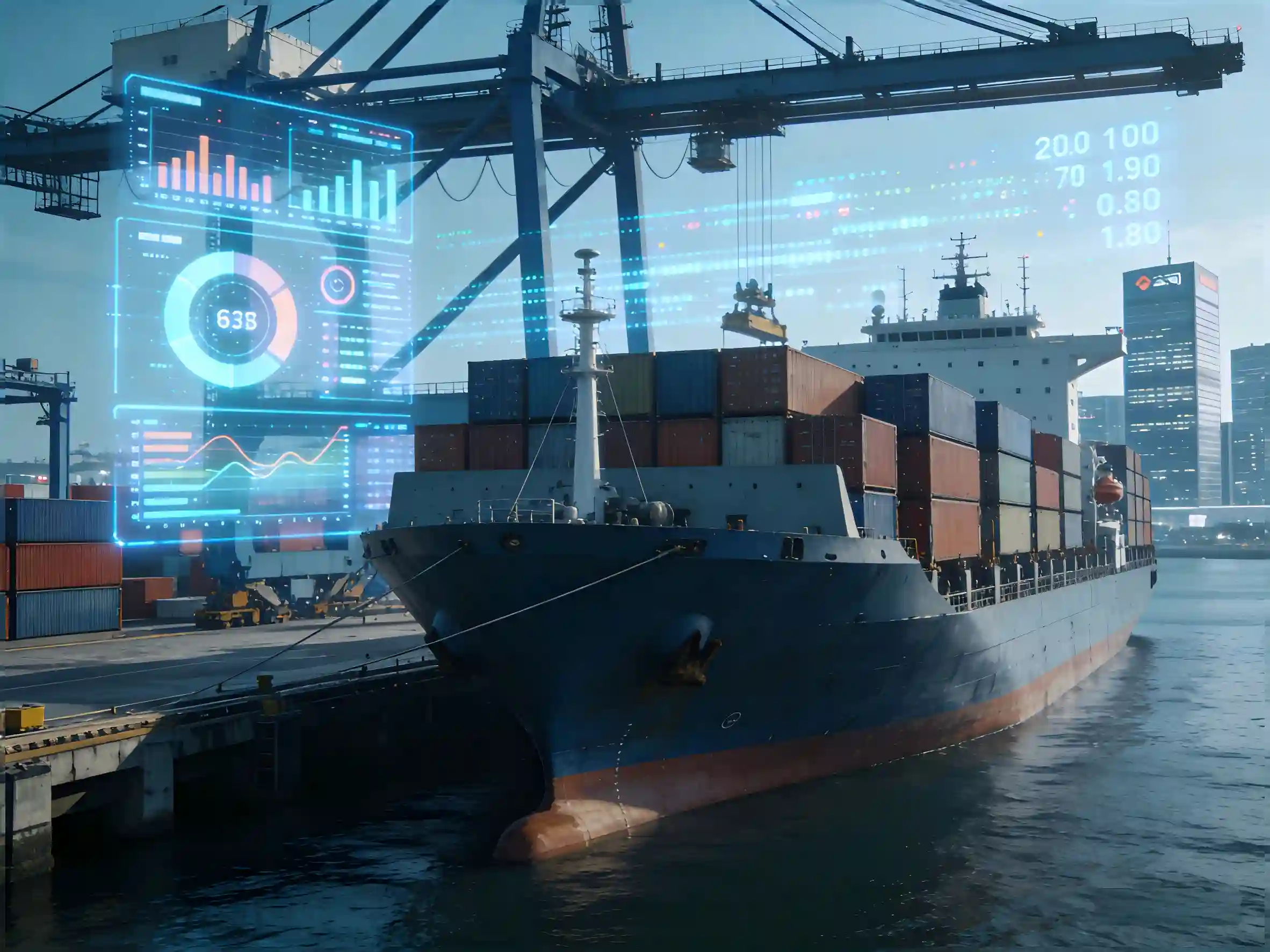
Predictive analytics is reshaping global trade intelligence by moving analysis from backward-looking reporting to forward forecasting. Instead of only reviewing what has happened, modern platforms use machine learning and historical trade datasets to anticipate buyer behavior, demand shifts, competitor moves, and supply chain risks. This evolution is creating a new generation of data-driven exporters who can act before market changes arrive.
1. Predictive Buyer Intelligence: Identify Prospects Before They Change Suppliers
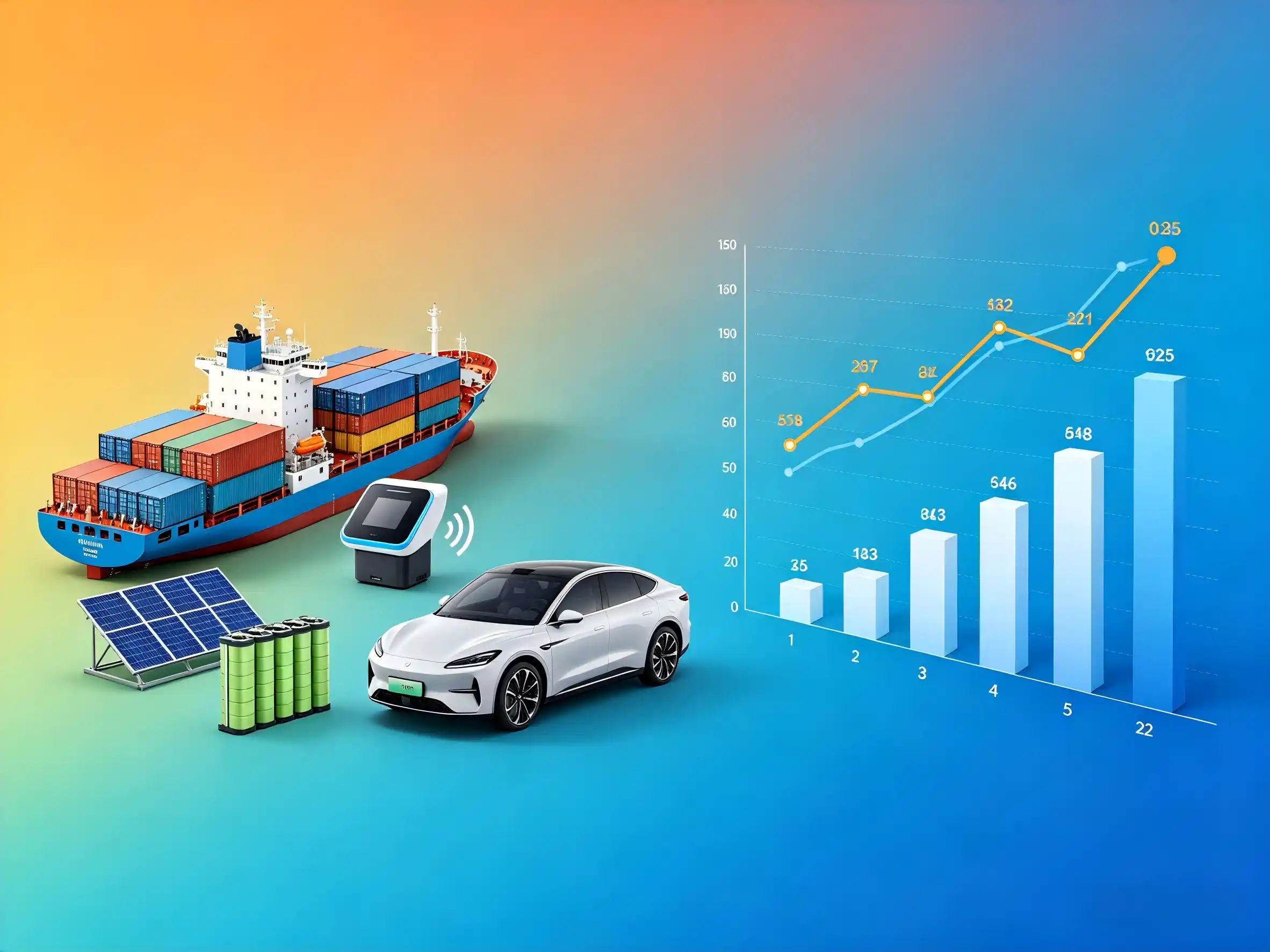
Traditional trade intelligence relies on static shipment history. You can see who imported your product last year, but you cannot easily tell which buyers are ready to switch suppliers in the near future. Predictive analytics changes this by scoring buyer readiness.
Models combine multiple data signals: fluctuating import volumes, delays in recent shipments, supplier country concentration, pricing trends, and company expansion events. The algorithm assigns a lead propensity score to each importer. High-score prospects are buyers who are likely to search for alternative suppliers within months.
For example, a chemical exporter can filter importers with declining shipments from their current vendor, rising product demand, and recent investment in production capacity. The platform flags these accounts as high-priority targets. Sales teams can focus outreach on accounts with genuine switching intent, instead of cold-emailing thousands of inactive buyers. This sharpens ABM campaigns and drastically improves lead conversion efficiency.
2. Forecast Product Demand and Regional Market Shifts
Most exporters use past sales data to guess future demand. This method fails when tariffs, geopolitics, or consumer trends suddenly reshape import flows. Predictive analytics processes years of customs data, macroeconomic indicators, port throughput, and seasonal patterns to build product-level demand forecasts.
Platforms can answer forward-looking questions:
- Which destination markets will see rising imports of your HS code product in the next 12 months?
- When will seasonal demand peaks start and end for each region?
- Which markets are at risk of sudden import contraction due to policy changes?
These forecasts help exporters allocate production capacity, adjust inventory levels, and prioritize market development budgets. Instead of rushing into a market that is about to cool down, companies can position resources in regions with projected growth. It eliminates blind spots in market expansion planning and reduces overproduction or stock shortages.
3. Predict Competitor Moves and Supply Chain Vulnerabilities
Standard trade intelligence shows you what competitors have shipped. Predictive models extrapolate those records to forecast their next strategic actions.
By tracking trends in competitors’ shipment size, supplier origins, port selection, and buyer concentration, analytics can spot early warning signs. A competitor consistently increasing shipments to a new country may signal an upcoming market push. Frequent supplier switches by a rival may indicate cost pressure or quality issues.
The same models also assess supply chain risk. Predictive algorithms monitor port congestion trends, shipping rate volatility, geopolitical risk scores, and supplier shipment reliability. They calculate the probability of disruption for each supplier lane. Exporters can identify fragile supply routes ahead of time and develop backup sourcing or logistics plans. This turns supply chain management from damage control into proactive risk engineering.
4. Predict Compliance and Regulatory Trade Risks
Tariff revisions, import restrictions, sanctions, and customs enforcement changes can erase export margins overnight. Tracking regulatory updates manually is slow and incomplete.
Predictive analytics ingests regulatory proposals, trade policy debates, and historical policy impact data. It generates risk projections for target markets and product categories. The system can flag markets with a high likelihood of tariff increases or stricter inspection rules in the coming quarters.
Exporters can adjust pricing, renegotiate contracts, diversify target markets, or modify product specifications early. For companies selling to multiple regions, this capability protects revenue streams and avoids costly compliance penalties. Predictive risk scoring helps compliance and sales teams align on acceptable market exposure.
5. Key Limitations of Predictive Trade Analytics
Predictive analytics is powerful, yet it is not a crystal ball. Forecasts are probability-based, not guaranteed outcomes. Models depend heavily on the quality and completeness of underlying customs and bill-of-lading data. Private shipments, small parcel deliveries, and transactions with limited public records may be missing.
External black-swan events such as wars, pandemic outbreaks, or unexpected policy bans can invalidate forecasts quickly. Human domain expertise remains essential. Best practice is to treat predictive outputs as actionable signals, not final decisions.
High-performing exporters combine predictive scores with direct buyer outreach, local market research, and industry knowledge. Teams should continuously validate model outputs against real-world feedback and tune their prediction criteria.
Final Takeaway
The future of B2B export belongs to organizations that can anticipate markets rather than merely react to them. Predictive analytics upgrades global trade intelligence from a historical lookup tool into a forward-looking strategic engine. It identifies high-intent buyers, forecasts regional product demand, anticipates competitor activity, and forecasts regulatory and logistics risks.
Exporters leveraging these capabilities gain a sustainable competitive edge. As predictive models continue to mature, integrating trade intelligence into core sales, supply chain and market strategy will become standard practice for B2B exporters aiming for stable, scalable international growth.
FAQ
Q: What data powers predictive analytics for global trade intelligence? A: It uses bill of lading records, customs import/export data, HS code statistics, macroeconomic metrics, port logistics data, company signals, and historical regulatory change datasets. Machine learning models identify patterns to generate forecasts.
Q: How does predictive analytics differ from traditional trade intelligence? A: Traditional trade intelligence shows past shipment data. Predictive analytics uses historical patterns to forecast future buyer behavior, demand trends and risks.
Q: What is the biggest challenge of predictive analytics for B2B exporters? A: Forecasts are probabilistic and can be disrupted by unforeseen geopolitical events. Missing private shipment data also limits prediction accuracy. Human expertise is still required to validate insights.