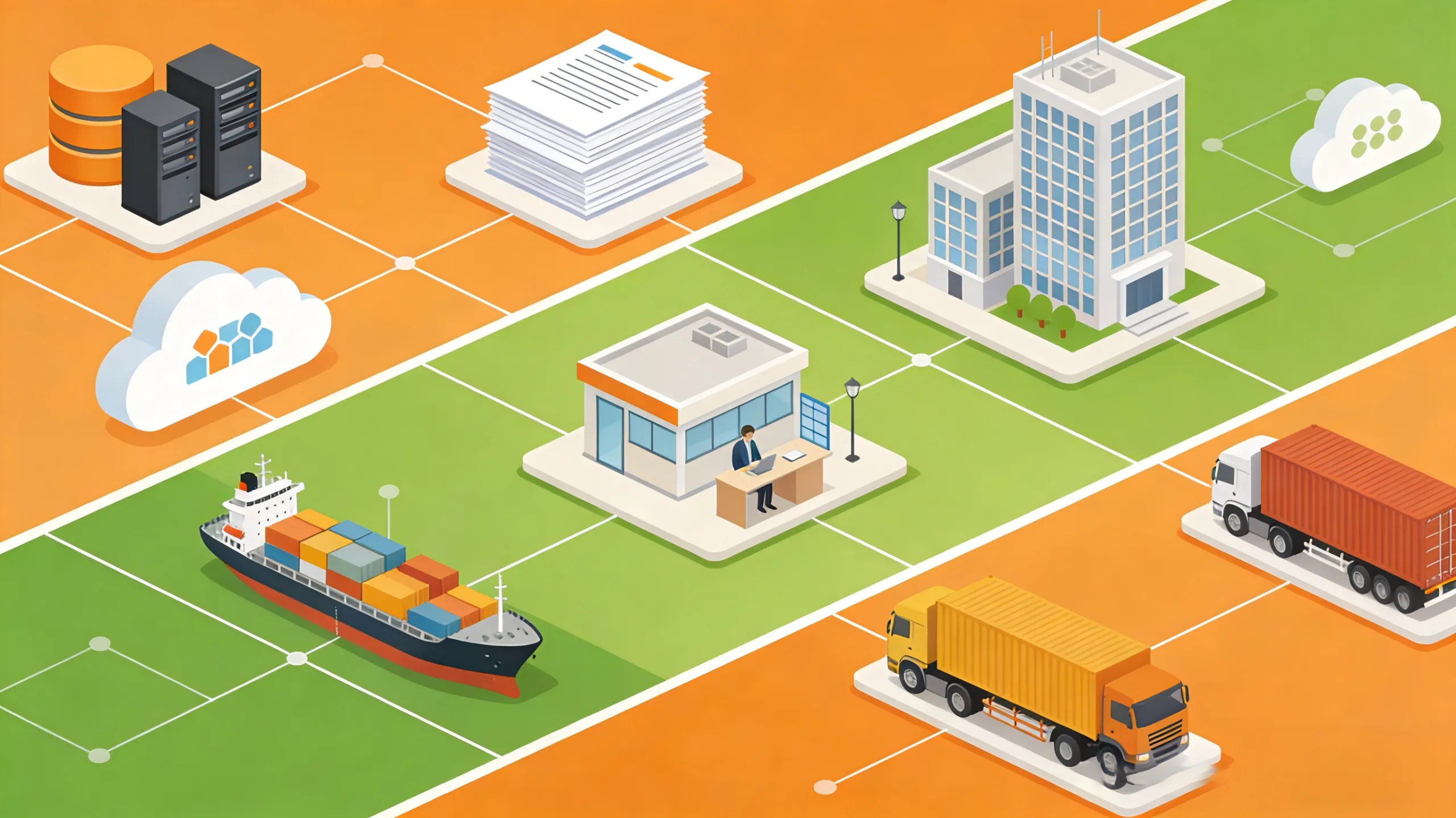
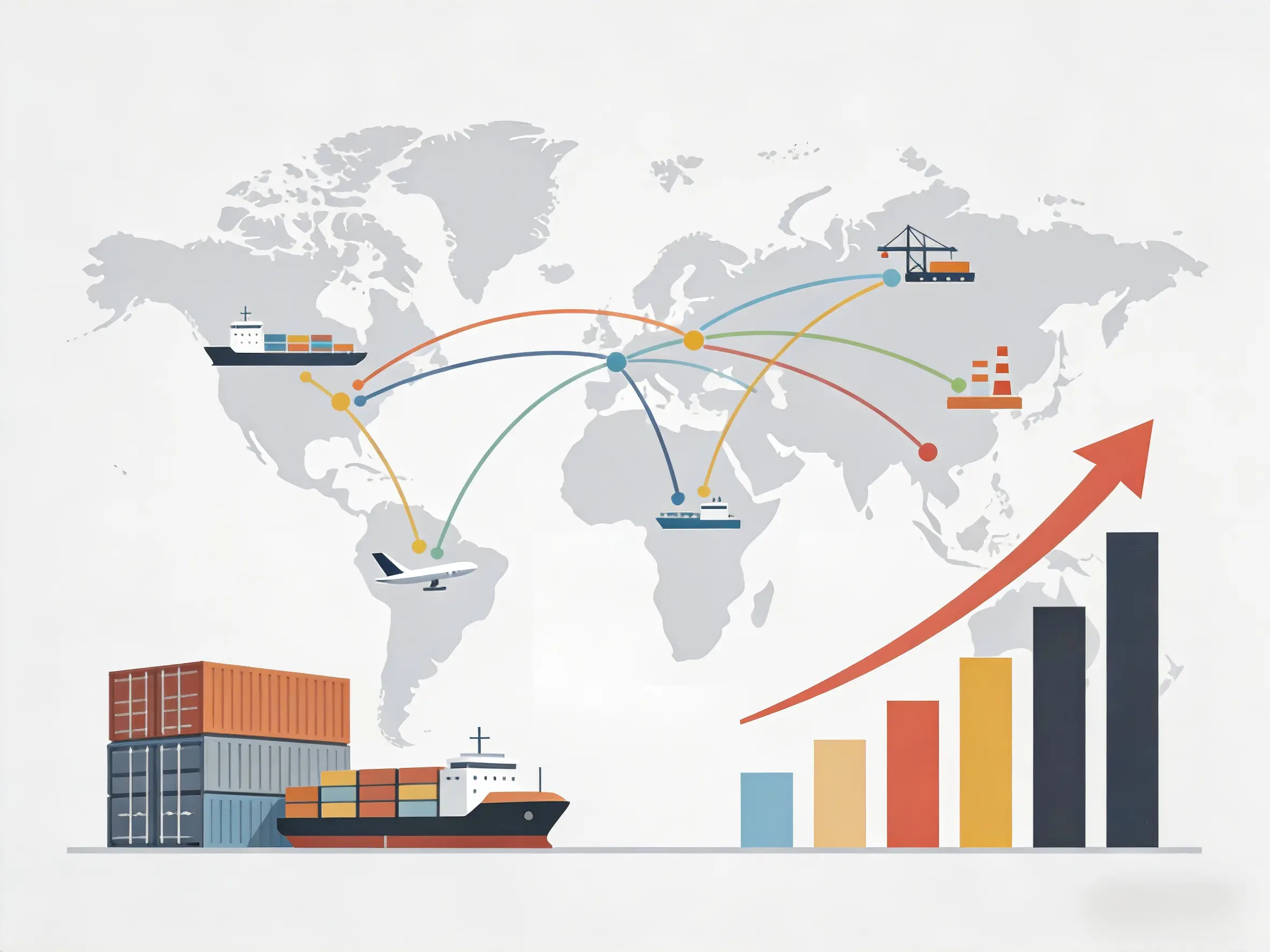
Global trade intelligence platforms turn fragmented cross-border shipping, customs, tariff and company data into a single source of truth for export strategy. Instead of making business choices based on anecdotal experience, hearsay or outdated market reports, B2B exporters can build long-term plans backed by verified transaction-level evidence. The impact stretches far beyond simple lead generation; it reshapes core strategic decisions around market selection, supplier portfolio, pricing, risk management and resource allocation.

Key Areas Where Trade Intelligence Reshapes Strategic Decisions
1. Market Entry & Prioritization
Many exporters waste capital by entering markets based on surface-level demand assumptions. Trade intelligence platforms aggregate historical import volumes, growth trends, product preferences and tariff barriers across countries.
Teams can compare dozens of target markets side by side: which regions show rising import demand for your HS code, which face heavy anti-dumping duties, and which markets are dominated by entrenched competitors. This data lets you rank markets by opportunity and risk, rather than chasing every country that sends an occasional inquiry.
Strategic outcome: You allocate limited marketing, travel and compliance budget to high-potential markets, and avoid costly entry into shrinking or heavily protected markets.
2. Competitive Strategy & Supply Chain Mapping
Trade intelligence reveals your competitors’ real supply chain footprint. You can track their shipment volumes, destination markets, buyer lists, order frequency and approximate landed pricing. This visibility answers critical strategic questions: Which buyers are loyal to my competitors? Are competitors expanding into new regions or cutting back shipments? Are they offering lower prices to capture market share?
This insight supports two strategic moves. First, you can identify accounts where your competitor may be struggling or up for contract renewal for targeted outreach. Second, you can spot competitor weaknesses, such as long lead times or inconsistent shipment sizes, to position your unique selling points.
3. Data-Driven Pricing Strategy
Pricing decisions are often guesswork without real market transaction benchmarks. Global trade platforms pull shipment value data for comparable products in target markets. Exporters can view the price range that local buyers currently accept, separate from the public list prices found on B2B platforms.
This prevents two common mistakes: pricing too high and losing qualified buyers, or undercutting margins to win low-value orders. You can also factor in tariffs, freight and local duties to calculate full landed cost, so your pricing strategy accounts for the total cost your overseas buyer faces.
4. Buyer Segmentation & Account Prioritization
Not all importers deserve equal sales resources. Trade intelligence lets you segment buyers by import volume, order stability, product specification and multi-supplier behaviour. A strategic team can tier accounts: large steady importers as priority targets, medium buyers for nurturing, and one-time small importers for low-touch outreach.
This shifts strategy from spraying generic cold messages to an ABM-style approach. Your sales team focuses time on high-value accounts with proven import history, improving ROI on sales and marketing spend. You can also monitor existing customers. If a long-term buyer starts importing from a rival supplier, you can intervene early before losing the account.
5. Supply Chain & Risk Mitigation Strategy
Global trade carries hidden risks: shifting trade policies, sudden tariff hikes, unreliable partners and market demand collapses. Trade intelligence platforms integrate compliance data alongside shipment records. You can monitor regulatory changes, identify buyers with erratic import patterns, and spot regions with rising customs delays or trade disputes.
For strategic planning, this supports contingency planning. If one market faces new trade restrictions, you can quickly identify alternative markets to diversify your customer base and reduce revenue concentration risk.
Practical Strategic Best Practices
- Use multi-year trade datasets rather than only recent shipments to filter out temporary demand spikes.
- Combine trade intelligence with firmographic data to understand buyer business models before crafting market strategy.
- Conduct quarterly strategic reviews: track import trend changes and competitor activity to adjust territory and sales plans.
- Cross-reference customs manifests with tariff and regulatory data to build full landed cost models for each target market.
FAQ
Q: Can trade intelligence replace traditional market research?
A: No. It complements market research. Trade intelligence provides hard transaction data, while traditional research adds qualitative context such as local consumer preferences or distribution channel norms. Together they create a stronger strategic foundation.
Q: Is this tool only for top-level executive decision-making?
A: It benefits both leadership and sales teams. Executives use it for market entry and portfolio strategy; sales teams use the same dataset for account targeting and competitive outreach.
Q: What is the biggest limitation of global trade intelligence for strategy?
A: Data coverage differs by country. Some countries do not publish detailed buyer-level customs manifests. Always validate data coverage and update strategy with local market insights.
Q: How often should exporters review trade intelligence for strategic planning?
A: Quarterly reviews work well for ongoing strategy. Annual deep dives help with major decisions like new market entry or large product line launches.
Global trade intelligence platforms turn raw trade records into strategic foresight. For B2B exporters competing in volatile global markets, it transforms decision-making from reactive and intuition-led into proactive, measurable and risk-aware. It helps companies place bets on the right markets, customers and pricing models, rather than hoping for inbound inquiries to drive growth.