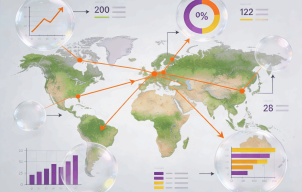
Global trade intelligence platforms are cloud-based data systems that aggregate, clean, and analyze cross-border trade records, import/export manifests, company profiles, shipping data, tariff rules, and market demand signals from dozens of countries. Unlike simple business directories, these tools pull verified transaction-level data: which buyers import specific products, how much they purchase, which suppliers they currently work with, shipment volumes, port activity, and pricing trends.
For B2B exporters, this platform turns raw customs and shipping records into actionable sales, sourcing, and risk intelligence. It removes guesswork from overseas market exploration and replaces passive waiting for inquiries with targeted, data-driven outreach.
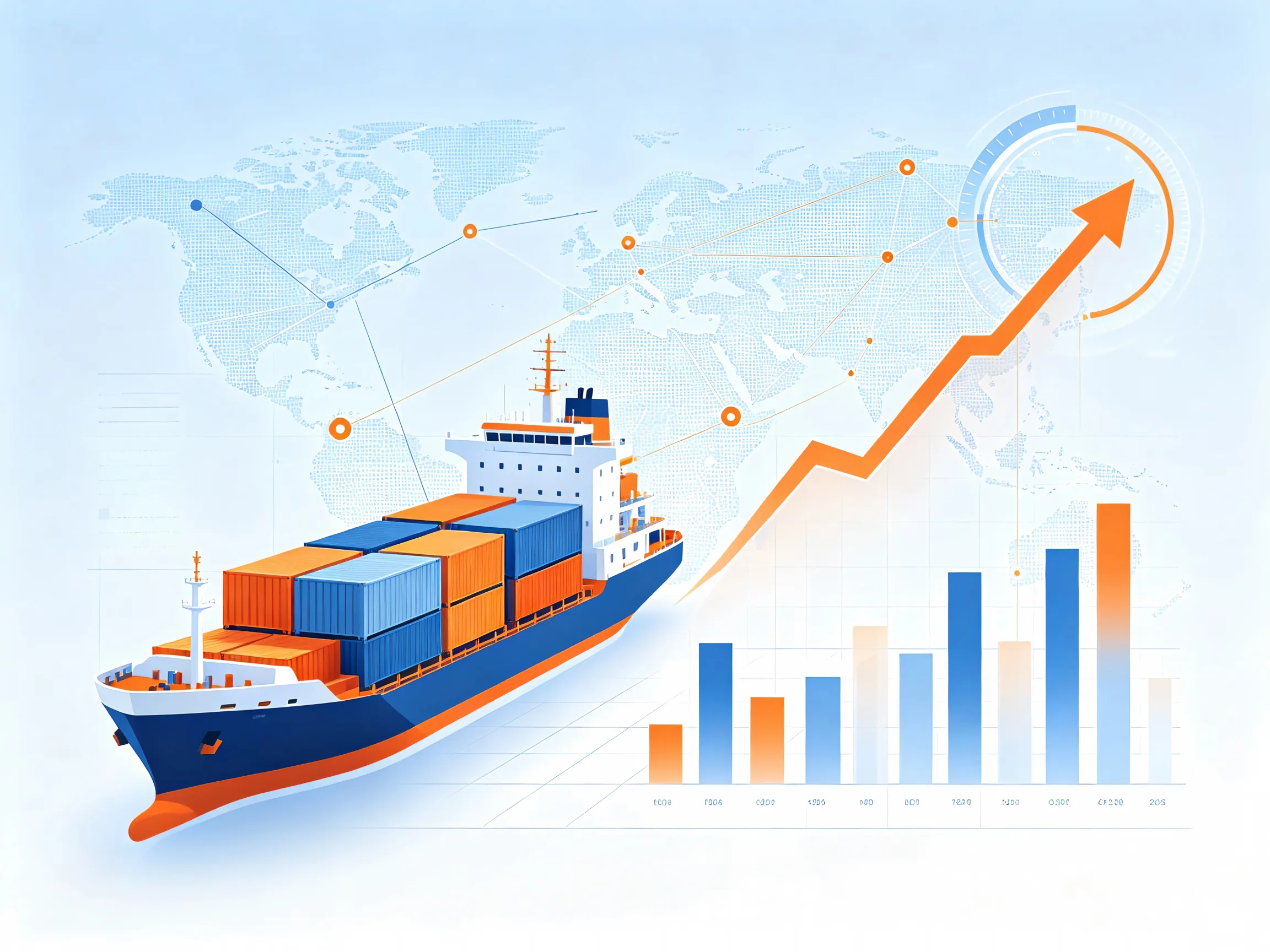
Core Functions of a Global Trade Intelligence Platform
- Active buyer discovery The platform filters import records to identify real buyers that regularly import your product category. You can search by HS code, product description, destination country, shipment size, or import frequency. Instead of contacting random companies, exporters only target businesses with proven purchasing history. This drastically cuts wasted time on prospects that never buy your goods.
- Competitor supply chain visibility You can view which overseas buyers are currently sourcing from your competitors, shipment volumes, origin ports, and order frequency. This insight lets you spot opportunities to pitch alternative quotes when existing supplier contracts may be up for renewal. It also reveals which markets your competitors are expanding into or abandoning.
- Market demand and trend analysis Historical trade data shows rising or falling import volumes for your product across target markets. Exporters can compare demand between countries, spot seasonal fluctuations, and assess whether a niche market is worth entering before investing in travel, ads, or local representation. It helps avoid pouring resources into shrinking markets.
- Buyer risk assessment Trade intelligence includes shipment consistency, order size stability, and import history. A buyer with erratic, small one-off shipments carries higher risk than a firm with steady monthly imports. Exporters can screen new prospects to reduce the chance of non-payment, order cancellations, or unreliable partners.
- Tariff and regulatory updates Many platforms integrate trade compliance data: tariff rates, anti-dumping duties, quota limits, and documentation requirements. This helps exporters calculate landed costs accurately and avoid unexpected extra fees or customs hold-ups.
Why B2B Exporters Cannot Afford to Ignore Trade Intelligence
Traditional B2B export lead generation relies on trade shows, B2B marketplace inquiries, and cold LinkedIn messages. These channels have grown increasingly competitive. Inquiries are often low-quality, price-only shoppers, and trade shows cost large sums with unpredictable ROI.
Trade intelligence solves this pain point by focusing on intent data. Buyers who are actively importing your product already have demand. They are not just browsing; they maintain ongoing supply chains. This means outreach conversion rates are usually higher than generic cold outreach.
It also supports strategic pricing. When you check historical shipment values for similar products, you understand the price range accepted in that target country. You can set competitive quotes without undercutting margins blindly.
For mid-sized exporters, the platform levels the playing field against large multinational competitors. Big enterprises have dedicated market research teams, but small and medium exporters can access the same transaction datasets through a trade intelligence platform, enabling smarter market entry decisions.
Additionally, it supports customer retention. You can monitor existing clients’ import volumes. If you see a buyer starting to import from another supplier, you can reach out proactively to address issues before you lose the account.
Practical Tips for B2B Exporters Using Trade Intelligence Platforms
- Start with your core HS code to narrow down product-specific import data. Too broad searches will return irrelevant leads.
- Prioritize buyers with consistent, medium-to-large shipment volumes, rather than one-time importers.
- Combine trade data with LinkedIn or company website research to verify decision-makers before sending outreach.
- Cross-check multiple shipment records instead of relying on a single transaction to judge a buyer’s purchasing power.
- Use data quarterly to review market shifts and adjust your sales territory strategy.
FAQ
Q: Is trade intelligence data the same as customs data?
A: Customs data is one major source of trade intelligence. A full platform adds company enrichment, tariff rules, demand forecasting, and analytics tools on top of raw customs manifests.
Q: Can this platform replace B2B marketplaces?
A: No. It complements marketplaces. Marketplaces capture inbound inquiries, while trade intelligence helps you actively hunt qualified buyers who may not visit those platforms.
Q: Are all countries’ import records available?
A: Coverage varies. Some nations publish detailed shipment manifests; others only publish aggregated statistical data without individual buyer names. Always check country coverage before subscribing.
Q: Is trade intelligence suitable only for large exporters?
A: It works well for small and medium B2B exporters too. Many platforms offer tiered pricing, so teams with limited sales headcount can focus effort on high-potential leads.
Global trade intelligence platforms transform export sales from reactive to proactive. For B2B exporters operating in crowded global markets, access to verified import transaction data is no longer a luxury. It is a foundational tool to find genuine buyers, study competitors, mitigate risks, and make evidence-based market decisions.