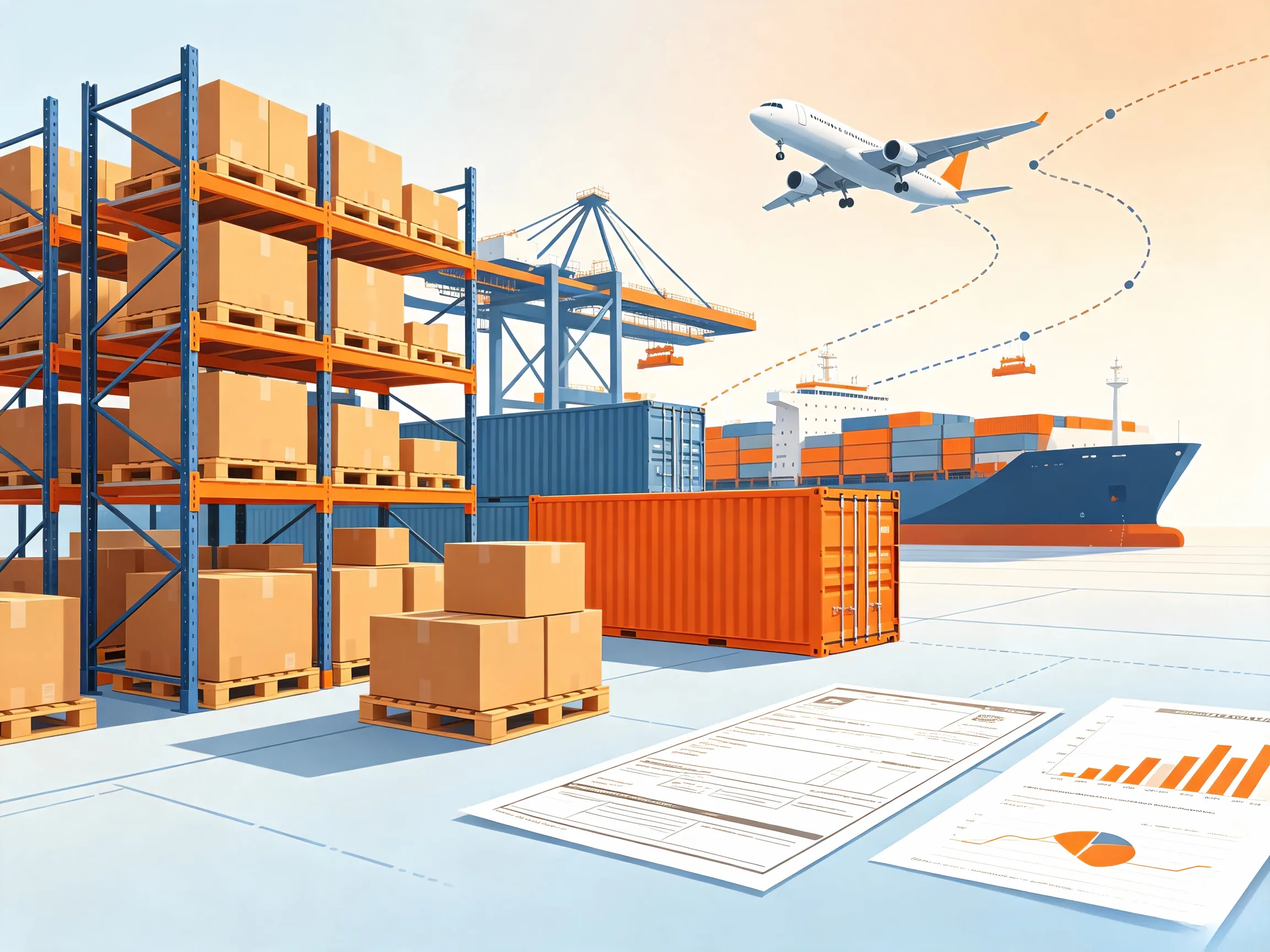
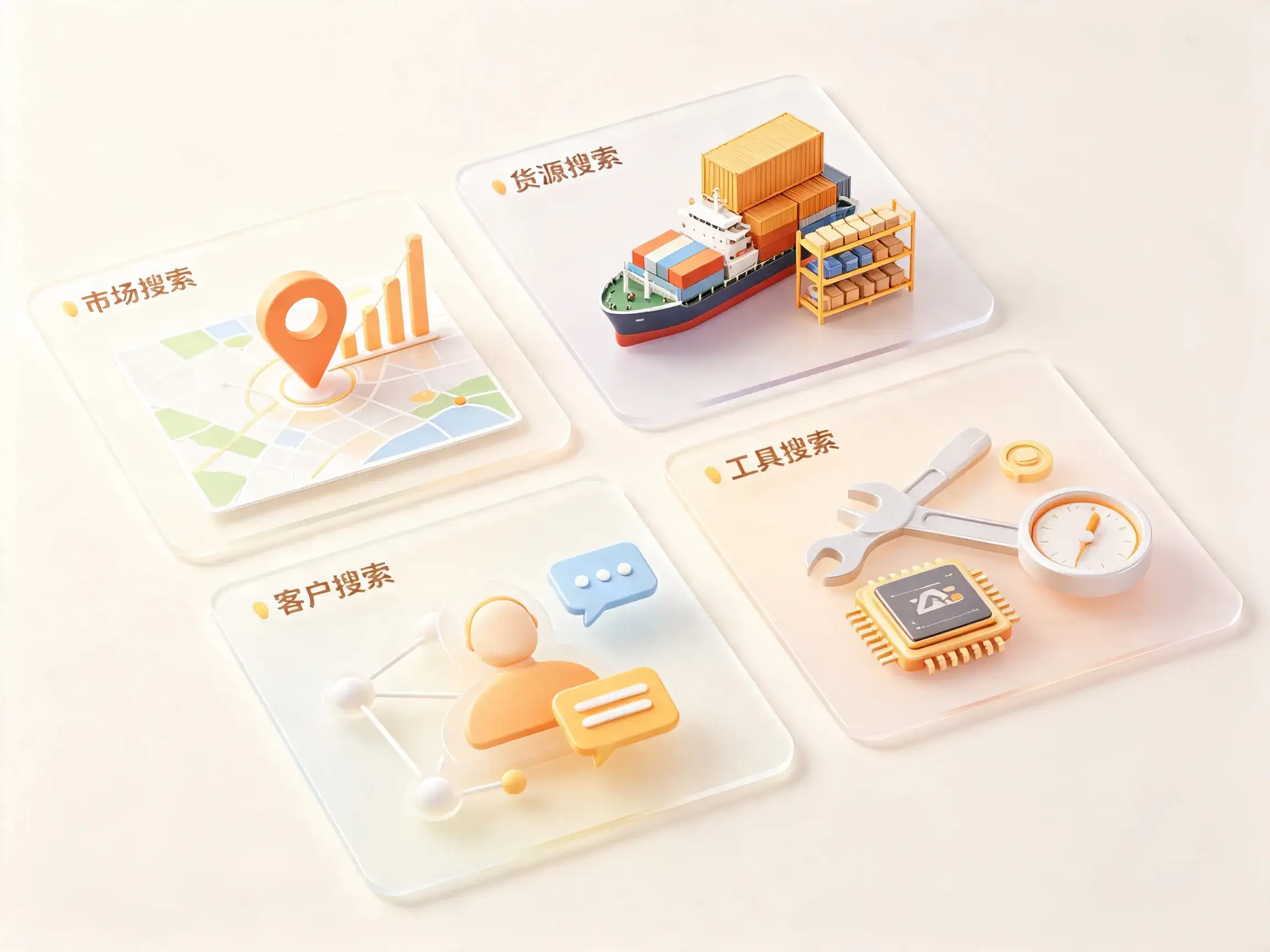
Most exporters struggle with a common industry pain point: endless B2B lead searching brings low-quality, unvalidated buyer contacts, while random outreach results in extremely low response and conversion rates. According to global trade industry statistics, over 68% of export enterprises waste 30% or more of their sales manpower on invalid buyer resources, including inactive importers, small-scale purchasers and intermediary agents with no actual order rights. In 2026’s competitive global trade landscape, relying on manual screening and traditional B2B platform blind searching is no longer viable. Exporters need standardized methods to find verified international importers, realize automated B2B lead enrichment, and accurately lock high-volume trade buyers to boost order conversion efficiency.

1. Source Verified International Importers From Authoritative Trade Data
The core difference between high-quality buyer leads and invalid resources lies in data verification sources. Ordinary B2B directory data is manually registered and lacks transaction authentication, while verified importer data comes from official customs records, national trade databases and enterprise registration information, which can truly reflect buyers’ real import capabilities and operating status. Industry data shows that leads screened through customs transaction records have a 52% higher long-term cooperation rate than ordinary platform leads.
Mainstream authoritative trade data resources cover more than 200 countries and regions, with tens of billions of real customs clearance documents and tens of millions of verified overseas enterprise entities. These data records completely retain core trade information including buyer names, HS code matching products, historical shipment volumes, import cycles and cooperative supplier records, providing solid verification basis for exporters.
First, screen importer candidates by precise HS code matching to exclude buyers with mismatched product business scopes. Second, verify enterprise validity through local commercial registration databases to eliminate cancelled, dormant and shell enterprises. Third, prioritize buyers with continuous import records in the past 12 months, as this group has stable purchasing demand. A Southeast Asian hardware exporter adopted this method in 2025, replacing traditional platform leads with customs-verified importer resources, and its email response rate increased from 8% to 27% within three months.
2. Realize Efficient Automated B2B Lead Enrichment
Screening verified importers is only the first step. Most original trade data only contains basic enterprise names and transaction records, lacking decision-maker contact information, enterprise scale, procurement preferences and pain point demands. Incomplete lead information makes it impossible for sales teams to conduct targeted precision marketing. Automated B2B lead enrichment solves this problem by standardizing data supplementation, verification and sorting, greatly reducing manual sorting costs.
Formal automated lead enrichment systems adopt multi-step verification mechanisms, including email syntax detection, domain name authentication, real-time account activation verification and invalid number screening, with lead accuracy up to 97%. Different from manual random collection, automated enrichment can complete batch processing of thousands of leads within hours, and synchronously update enterprise latest dynamics, procurement cycle changes and supplier replacement trends in real time.
Practical Operation Tips
Build a fixed lead enrichment field template covering decision-maker position, effective contact way, annual import volume, main procurement specifications, target price range and competitor cooperation status. Use automated tools for batch data supplementation and regular data cleaning to eliminate invalid and outdated information. Classify enriched leads by enterprise scale and procurement frequency to form graded buyer files. A Chinese textile export enterprise applied automated lead enrichment in early 2026, cutting manual data sorting time by 75% and enabling sales staff to focus on targeted customer negotiation.
3. Accurately Identify High-Volume Trade Buyers With Transaction Signals
Not all verified importers are high-quality customers. Many small and medium-sized importers have stable demand but low single order volume, limited export profit space. High-volume trade buyers are core customers with large annual import scale, stable purchase cycle and continuous order potential, and are the key to helping exporters stabilize long-term orders and expand market share.
Judging from global trade transaction big data, high-volume buyers have three typical characteristics: annual import shipment volume ranks in the top 30% of the industry, continuous import records for more than 2 years, and diversified procurement batches with no long-term single supplier dependence. These buyers have strong supply chain adjustment willingness and are the best potential customers for exporters to expand overseas markets.
Practical Operation Tips
First, set volume screening thresholds based on industry average transaction data to filter buyers exceeding the industry’s annual average import volume. Second, track historical transaction cycles to lock buyers with fixed monthly/quarterly procurement habits and eliminate one-time purchasers. Third, focus on buyers with frequent supplier adjustments, who have strong intention to develop new cooperative factories. A Guangdong electronic accessories exporter screened 48 high-volume buyers through this strategy in 2026, successfully signing 12 long-term cooperative orders with an average single order value 3 times higher than ordinary customers.
Conclusion
In the current refined competition of global B2B trade, the core of export customer development is no longer expanding lead quantity, but improving lead quality and conversion efficiency. Finding verified international importers through authoritative trade data, realizing efficient automated B2B lead enrichment, and accurately locking high-volume trade buyers through transaction signal analysis form a complete set of standardized customer development systems. Exporters who adhere to this precise screening and operation mode can effectively reduce invalid sales costs, improve customer matching accuracy, and steadily enhance overseas order conversion and long-term market competitiveness in the fierce global trade competition.