Journalists, policy researchers, advocacy groups, and legal professionals regularly seek Immigration and Customs Enforcement (ICE) datasets to analyze detention trends, removal statistics, arrest patterns, and facility conditions. ICE publishes aggregated high‑level statistics publicly, but granular individual‑level enforcement records are rarely released voluntarily, creating real barriers for independent analysis. In 2026, understanding which sources exist, practical access workflows, and critical data limitations is essential to produce credible immigration‑related reporting and research. This guide breaks down actionable pathways to ICE data, real‑world use cases, and key pitfalls to avoid when working with government immigration records.

1. Start with ICE’s Official Public Aggregated Statistics
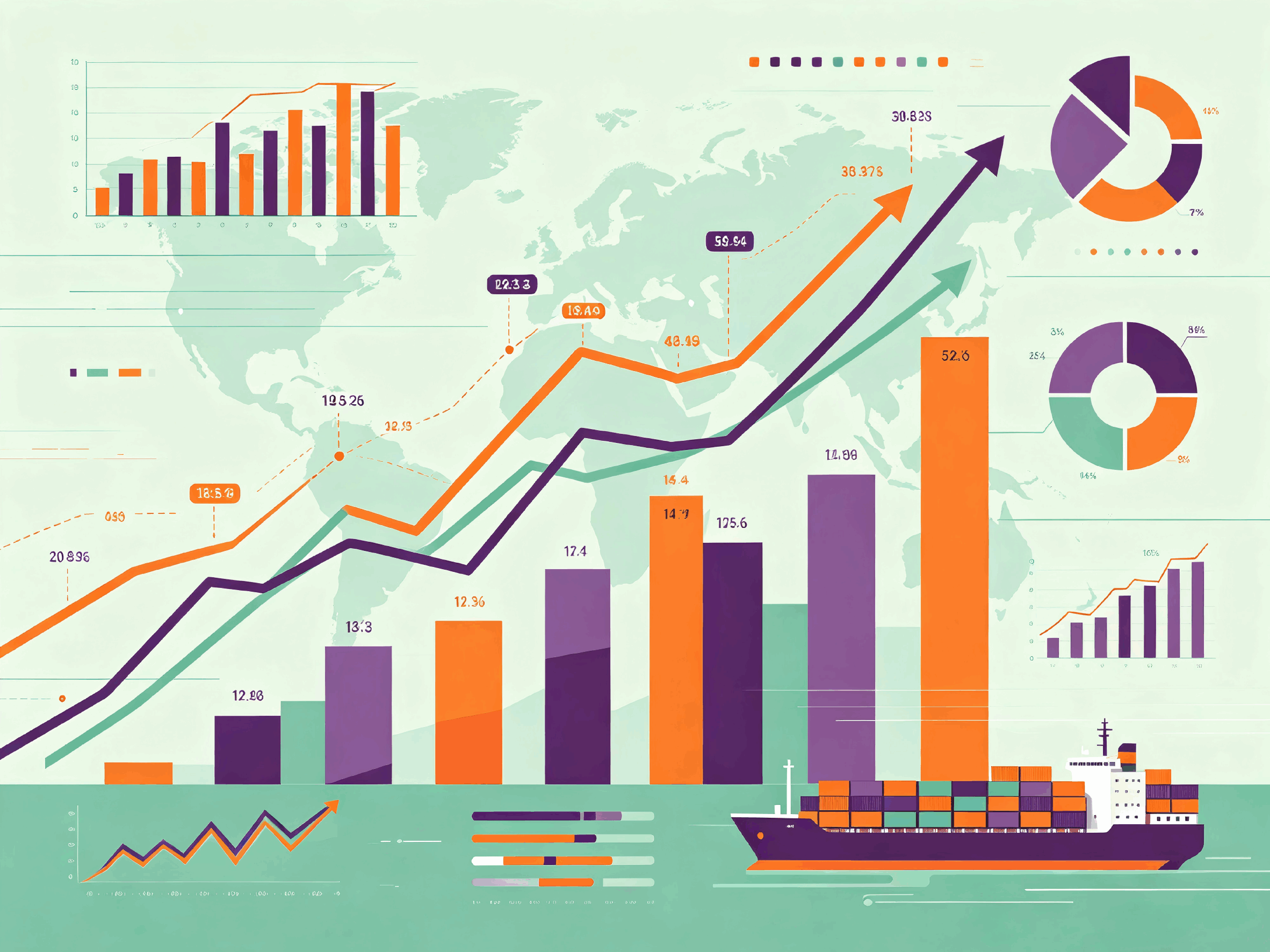
ICE maintains a public statistics portal that publishes monthly and fiscal‑year aggregated enforcement metrics, the fastest zero‑cost starting point for most users. Available official datasets include monthly detainee midnight headcounts, total removal and deportation volumes, arrest breakdowns by criminal status, detention facility population figures, and quarterly enforcement summaries. As of March 31, 2026, the midnight detainee headcount stood at 62,303 people, down from the January 2026 peak of nearly 76,000 detainees, the highest recorded level since 2020. Fiscal‑year 2025 removals reached 320,000, an 18% increase compared to fiscal‑year 2024 totals.
Practical actionable tips:
- Filter results by fiscal year (October through September) to align with ICE reporting standards, as calendar‑year figures are not natively provided.
- Document exact metric definitions: midnight headcount reflects point‑in‑time population, not unique people detained over the full year; one individual may appear across multiple monthly counts.
- Cross‑reference with supporting definitions document to avoid misinterpreting categories such as pending charges versus final criminal convictions.
This official source works well for high‑level trend analysis, but it cannot answer questions about individual cases, geographic local‑level arrest patterns, or granular demographic breakdowns beyond pre‑set published tables.
2. Obtain Granular Records via Freedom of Information Act (FOIA) Requests
For non‑public detailed datasets and administrative records, the Freedom of Information Act (FOIA) is the primary legal mechanism to compel ICE to release internal documents and raw data exports. Many widely cited independent ICE research datasets originate from successful large‑scale FOIA filings from university research teams and nonprofit projects, such as the Deportation Data Project dataset covering arrests, detainer requests, detentions, and removals from late 2023 through early 2026. One well‑known FOIA‑obtained analysis covering January 2025 to March 2026 found only roughly 3% of detained individuals held violent felony convictions, drawing from more than 438,000 detention event records.
Practical actionable tips:
- Write narrowly scoped requests. Broad “all ICE enforcement data” submissions face multi‑year backlogs or full rejection. Specify exact date ranges, record types, table names, and request machine‑readable formats such as CSV rather than PDF scans.
- Expect significant processing delays. Complex data requests to ICE can take 8‑18 months, and partial redaction of personally identifiable information is standard practice.
- Track your FOIA reference number consistently, follow up in writing every 60‑90 days, and note fee‑waiver eligibility for educational, journalistic, or non‑commercial public‑interest work.
FOIA does not guarantee full dataset release. ICE may withhold certain records for law‑enforcement privacy, ongoing investigation, or national‑security exemptions.
3. Leverage Third‑Party Curated Datasets Built From Previously Released ICE Records
Many researchers avoid slow direct FOIA cycles by using already‑processed, publicly shared datasets compiled from past successful ICE FOIA disclosures. These open resources include anonymized nationwide enforcement tables, detention facility condition documents, medical‑care claim records from custody settings, and historical removal time‑series files. The Deportation Data Project shared anonymized multi‑table ICE enforcement data, allowing outside analysts to study surging interior arrest and deportation activity without filing new agency requests. Nonprofit oversight organizations also publish cleaned extracts of ICE detention contract and facility inspection records obtained via prior public records work.
Practical actionable tips:
- Always trace back each third‑party dataset’s original source documentation, including original FOIA scope, date range, and known redactions. Do not treat curated outputs as official ICE publications.
- Confirm anonymization protocols: valid public datasets remove direct personal identifiers such as alien file numbers, names, and exact birth dates to comply with privacy rules.
- Note coverage gaps. Many curated datasets miss certain program components, such as some Homeland Security Investigations case files or complete local law‑enforcement partnership activity.
Third‑party data drastically cuts research timelines, yet users must explicitly acknowledge dataset limits in published outputs.
4. Access Individual Case Records for Specific Persons
If you need ICE records related to one specific individual rather than aggregate statistics, different rules apply. Under privacy provisions, ICE will not release another person’s immigration files to outside researchers or reporters without signed consent from that subject. Individuals themselves, or their authorized legal representatives, may submit requests for their own A‑file (alien file), detention history, and removal proceedings paperwork.
Practical actionable tips:
- If you are a journalist researching a specific person’s story, obtain written release authorization before submitting a records request to ICE.
- Lawyers representing immigration clients should follow DHS‑specified submission protocols and provide valid signed client consent alongside each records application.
- Understand that A‑files can contain thousands of pages; request targeted sections (detention logs, hearing documents, removal orders) instead of the complete file to reduce processing time.
Key Limitations Every 2026 ICE Data User Must Understand
Even with correct access workflows, significant constraints shape ICE datasets. First, individual‑level raw data is not proactively published; nearly all granular material comes from FOIA work. Second, data fields change across fiscal‑year reporting cycles, making long‑term direct year‑over‑year comparisons risky without careful normalization. Third, redaction routinely removes fields that researchers want for geographic or demographic analysis. Finally, official published counts measure enforcement events, not unique human beings, which frequently leads to public misinterpretation of scale. Always include these limitations within articles, reports, or analysis built upon ICE source material.
FAQ
Q: Can I get real‑time live ICE arrest feeds in 2026? A: No. ICE does not offer public real‑time API access to ongoing arrest or detention events. All public sources carry time lags from weeks up to many months.
Q: Are FOIA fees always expensive for large ICE data requests? A: Not necessarily. Journalistic, educational, and non‑profit public‑interest requesters can apply for full or partial fee waivers at submission. If denied, you may file an administrative appeal.
Q: Why do different published reports show slightly different removal numbers for identical periods? A: Variations stem from differing dataset boundaries: some datasets count formal removals only, while others include expedited expulsions, and reporting cut‑off dates can shift totals slightly. Always compare methodologies alongside raw numbers.
For credible outputs in 2026, combine official aggregated ICE statistics, FOIA‑sourced material, and well‑documented third‑party curated datasets, while transparently stating known data gaps and definitions in all published work.
Would you like to use work task mode to refine SEO title, meta description and focal keywords for this article, alongside adjusting paragraph length for better search‑engine performance?