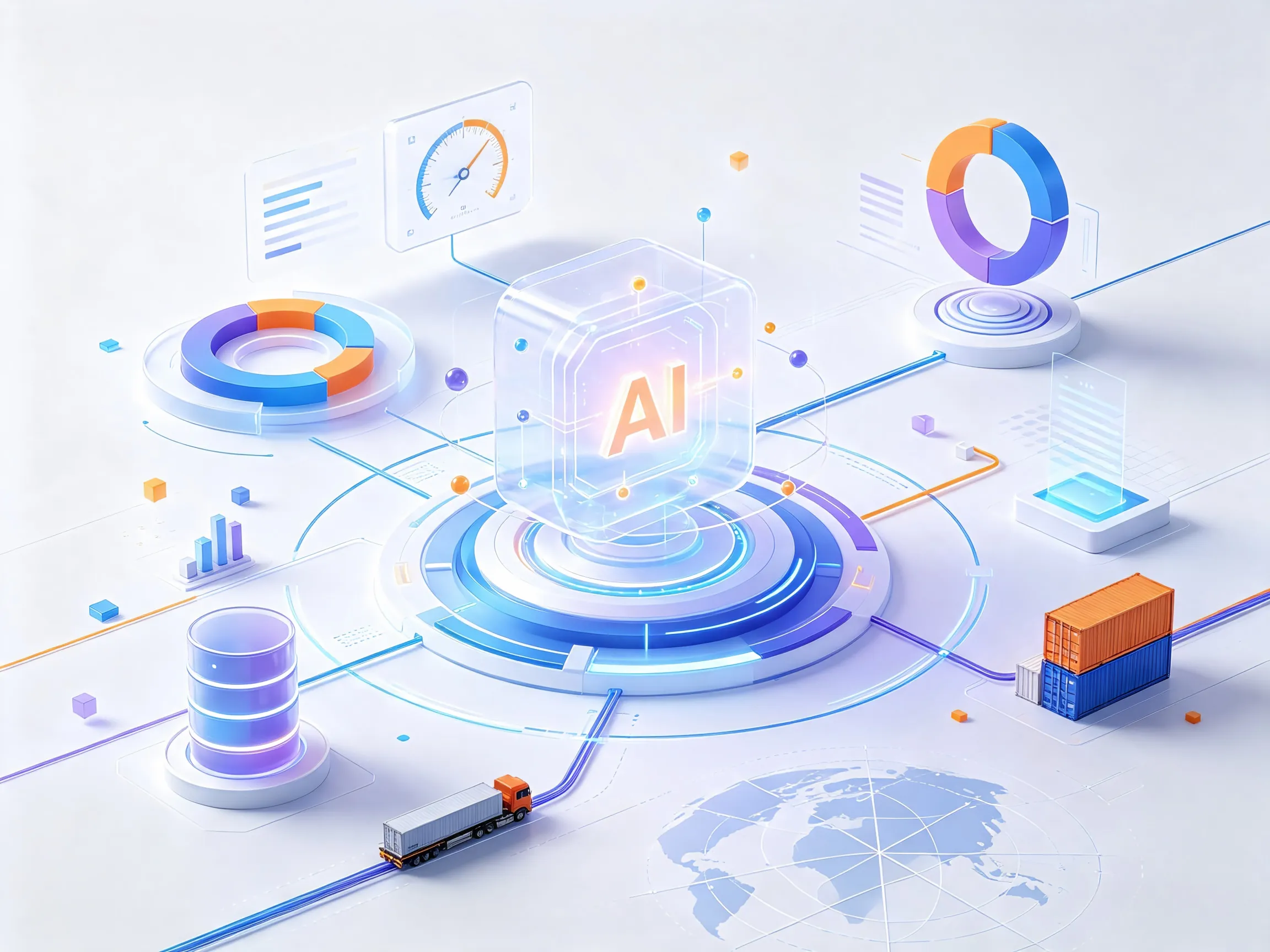
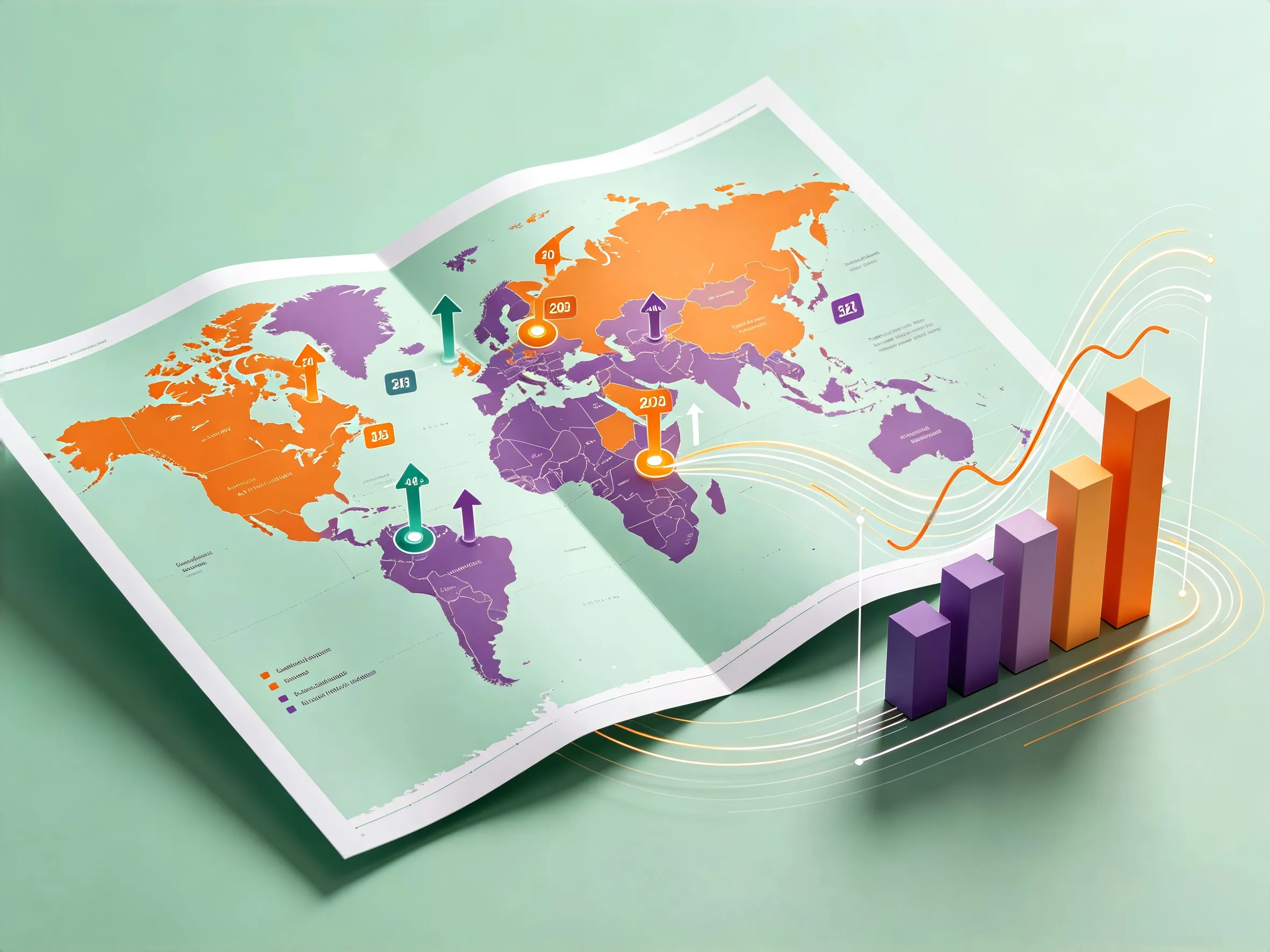
The global digital marketing landscape underwent a defining shift from 2024 to 2025, moving beyond basic demographic targeting to AI-powered customer insights and dynamic data segmentation. Traditional mass marketing strategies have lost efficiency, as modern consumers demand personalized, scenario-based brand interactions. Verified 2025 industry data shows that brands leveraging refined customer data segmentation gain 30% higher conversion rates and 25% improved customer retention compared to businesses using generic marketing tactics. This article breaks down core customer insight capabilities, practical data segmentation models, and measurable marketing outcomes for 2024–2025, with actionable strategies for all business scales.
1. Evolution of Customer Insights: 2024 Traditional Analysis vs. 2025 AI-Driven Emotional Insights
Customer insight capabilities have completed a critical iteration over the past two years. In 2024, most enterprises relied on static demographic segmentation, focusing only on age, gender, location, and consumption income to guide marketing decisions. This coarse-grained analysis ignored dynamic user demands and emotional changes, leading to disjointed brand communication and low user matching accuracy.
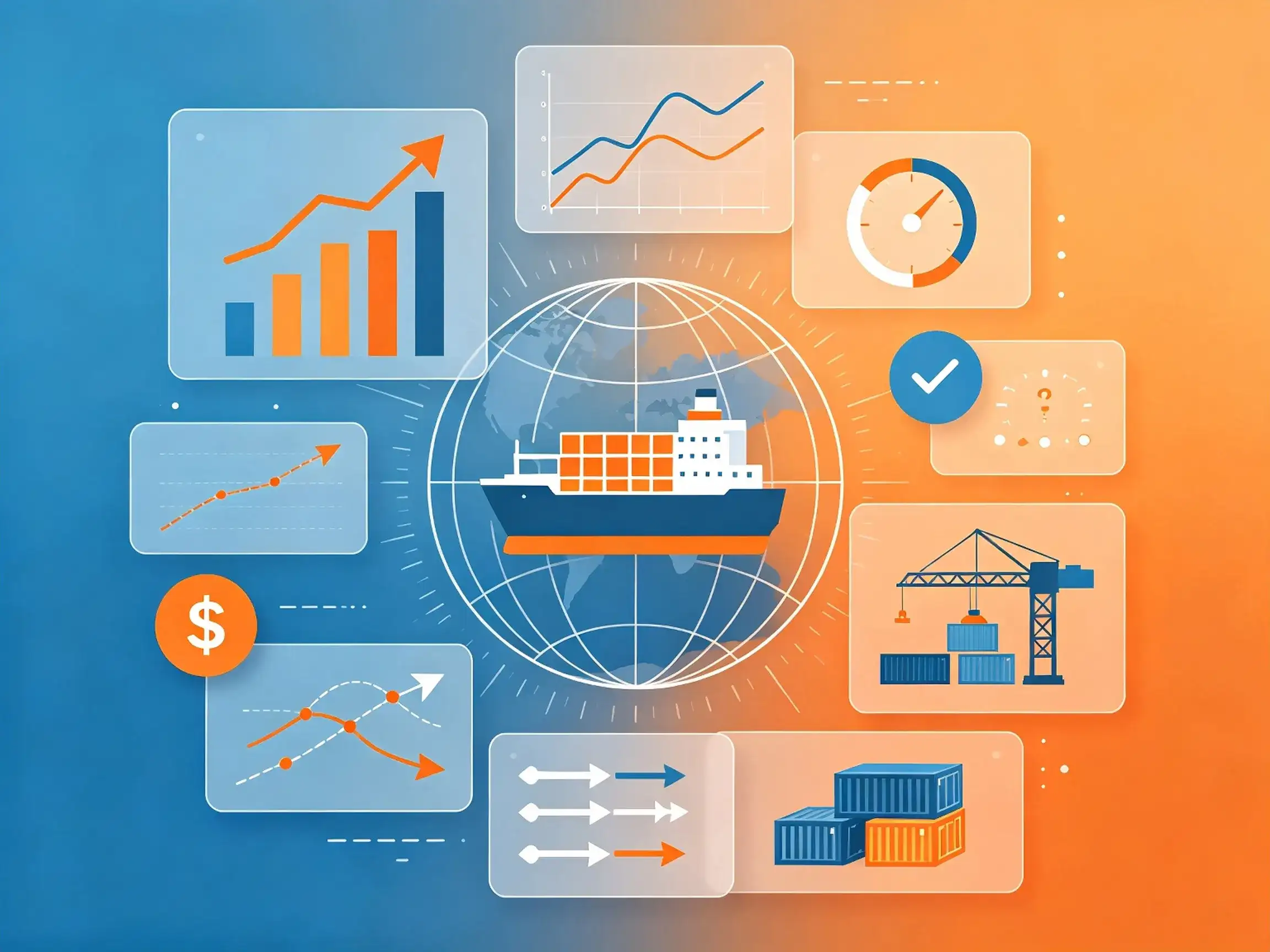
By 2025, customer insight has upgraded from statistical analysis to emotional computing and real-time behavioral tracking. According to the 2025 AI Marketing New Paradigm Report, modern insight systems can capture user social media comments, search intentions, real-time browsing behaviors, and scenario-based preferences to build 360-degree dynamic user portraits. Global survey data confirms 68% of consumers completed purchases based on AI-generated personalized recommendations in 2024, and this figure continues to rise in 2025.
Practical Marketing Suggestion: Abandon single demographic data statistics. Enterprises should integrate multi-source user data including website browsing tracks, social interaction records, and post-purchase feedback. Adopt lightweight AI insight tools to monitor user emotional tendencies and demand changes in real time, and update user portraits at least weekly to maintain insight timeliness.
Personal View: The core competition of 2025 marketing is no longer traffic acquisition, but accurate user understanding. Static historical data can only summarize past consumption behaviors, while real-time emotional and scenario insights can predict future consumption demands, which is the key to breaking the homogenization dilemma of modern marketing.
2. Core 2024–2025 Data Segmentation Capabilities Reshaping Marketing Precision
Data segmentation is the core carrier of customer insights, and its technical capabilities and classification dimensions have been fully upgraded in 2024–2025. Traditional segmentation only divides users into fixed groups, while new-generation dynamic segmentation supports real-time grouping, cross-dimensional classification, and scenario-based user stratification, realizing “one user, one strategy” marketing coverage.
Four mainstream high-value data segmentation capabilities have been widely verified in 2025 industry practices. First, behavioral dynamic segmentation, which classifies users based on recent browsing, collection, and purchase behaviors to identify high-intent potential customers and low-activity sleeping users. Second, emotional preference segmentation, which divides users according to their preference for rational cost performance or emotional experiential consumption.
Third, lifecycle segmentation, which splits users into new visitors, active customers, repeat customers, and lost customers to implement differentiated operation strategies. Fourth, scenario segmentation, which matches user groups with consumption scenarios such as daily use, holiday gifts, and emergency purchases. Industry data shows that enterprises applying cross-dimensional segmentation improve user matching accuracy by over 50% compared with single-dimension segmentation.
Practical Marketing Suggestion: Build a four-dimensional user segmentation system covering behavior, emotion, lifecycle, and scenario. Set automatic user tag update rules to avoid manual classification delays. Allocate independent marketing budgets for each segmented user group, and prohibit unified mass push for different user groups to reduce user aversion and improve conversion efficiency.
3. Verified Marketing Outcomes of Data Segmentation & Customer Insights (2024–2025 Real Cases)
The upgraded customer insight and data segmentation capabilities have produced measurable, data-supported marketing outcomes in multiple industries from 2024 to 2025, covering user conversion, customer retention, brand communication, and cost control.
In the financial industry, a regional commercial bank optimized its user segmentation model in 2025, combining user asset scale, consumption habits, and financial management preferences for precise product push. The strategy increased cross-selling success rates by 52% and reduced invalid marketing costs by 38%. In the consumer goods industry, a summer beverage brand used AI social listening insights to capture emerging user taste preferences, launching targeted segmented marketing campaigns that shortened product market adaptation cycles by 75%.
In the e-commerce retail sector, a cross-border brand adopted scenario-based user segmentation in 2024, matching different product packages and marketing copy for daily consumption and holiday gifting groups. The campaign boosted overall order conversion rates by 31% and increased average customer unit price by 22%. Industry-wide statistics show that enterprises with mature insight and segmentation systems achieve 40% higher marketing ROI than traditional marketing brands.
Practical Marketing Suggestion: Establish segmented outcome evaluation indicators for each user group. Take conversion rate for high-intent users, activity rate for sleeping users, and repurchase rate for old customers as core assessment standards. Continuously iterate segmentation rules and insight dimensions according to monthly marketing data feedback to form a closed-loop optimization system.
4. Key 2025 Marketing Trends & Operational Optimization Strategies
From the perspective of industrial development, 2025 marks the official arrival of refined personalized marketing driven by customer insights and data segmentation. The era of relying on traffic dividends and mass advertising has completely ended. More enterprises begin to shift their focus from “acquiring more users” to “maximizing single-user value”.
A notable trend is the popularization of micro-segmentation and real-time insight iteration. With the help of generative AI tools, brands can now complete user data analysis, group segmentation, and personalized content generation in minutes, realizing low-cost large-scale precise marketing. In addition, emotional value segmentation has become a new profit growth point, as 41% of Asia-Pacific enterprises regard user satisfaction and emotional experience as core marketing indicators in 2025.
Practical Marketing Suggestion: Small and medium-sized enterprises do not need to build complex data systems from scratch. They can adopt mature third-party AI marketing tools to quickly realize user segmentation and insight analysis. Large enterprises should build exclusive user data databases to form independent insight capabilities and avoid homogeneous marketing competition.
Personal View: In 2025, customer insight and data segmentation are no longer optional marketing tools, but essential basic capabilities for brand survival and growth. Future marketing competition will fully depend on the precision of user insight and the refinement of segmentation operations. Brands that fail to upgrade will be completely eliminated from the precise traffic market.
Conclusion
The 2024–2025 upgrade of customer insights and data segmentation capabilities has completely reconstructed the underlying logic of digital marketing. From static demographic statistics to dynamic emotional scenario insight, from single user grouping to multi-dimensional refined segmentation, every capability iteration brings substantial improvements in marketing efficiency and user experience. Real industry cases and data fully prove that refined insight and segmented marketing can effectively improve conversion rates, reduce costs, and enhance user stickiness. For all marketers, grasping the 2025 refined marketing trend and landing practical segmentation operation strategies is the core way to achieve stable growth in the increasingly competitive digital market.